How to Grow Beetroot Microgreens at Home | India Guide
How to Grow Beetroot Microgreens at Home | India Guide
Key Takeaways: Beetroot microgreens are rich in betalains and dietary nitrates — among the most nutritionally significant microgreens you can grow. 85%+ germination. Harvest in 10-14 days. Pre-soak seeds for 6-8 hours before sowing. Vivid red-purple stems. Available from SAGreens Pune in 100g packs at ₹178.
Beetroot microgreens are a genuinely special entry in the microgreens world — not just visually (though the deep red-purple stems are unmistakably dramatic) but nutritionally. They contain concentrated betalains, the same powerful antioxidant pigments found in mature beetroot, and significant dietary nitrates that have been extensively researched for cardiovascular and athletic performance benefits. If you are growing microgreens for health reasons, beetroot belongs in your rotation.
For Indian home growers, the beetroot connection to this crop is cultural as well as nutritional. Chukander (Hindi) is a beloved Indian vegetable — used in salads, halwa, raita, and as a natural food colour in biryanis and sweets. Growing beetroot microgreens gives you access to those same nutritional and flavour profiles year-round, in a form that takes 10-14 days to harvest rather than 60-90 days for the full root.
What Are Beetroot Microgreens?
Beetroot microgreens are the seedling form of Beta vulgaris (the common garden beetroot), harvested at the cotyledon stage — 10-14 days after germination. At this stage, the plants have developed their first tiny leaves (cotyledons), which are pale green above and often red-purple on the underside. The stems are deeply pigmented with the same betalain compounds that make mature beetroot red.
Unlike mature beetroot, which requires months of growing and delivers nutrition primarily through its root, beetroot microgreens deliver concentrated nutrition in the leaves and stems — and are ready to eat far, far sooner.
The flavour profile is distinctively earthy and mildly sweet — recognisably beetroot-like but more delicate than the mature root, without the heavy earthiness that some people find overwhelming in cooked beetroot. Raw beetroot microgreens are genuinely pleasant in a way that raw mature beetroot is not for most people.
Nutritional Profile of Beetroot Microgreens
Beetroot microgreens have one of the most clinically interesting nutritional profiles in the microgreen category:
| Nutrient/Compound | Benefit | Research Support |
|---|---|---|
| Betalains | Antioxidant; anti-inflammatory; hepatoprotective | Strong; multiple RCTs and observational studies |
| Dietary nitrates | Cardiovascular; blood pressure; athletic performance | Extensive; used by athletes globally |
| Folate | Cell division; DNA synthesis; pregnancy | Well-established; beetroot is a major folate source |
| Potassium | Blood pressure regulation; heart health | Consistent across beetroot research |
| Manganese | Bone health; antioxidant enzyme cofactor | Significant in beetroot family plants |
| Vitamin C | Antioxidant; iron absorption | Present in microgreen stage |
Nitrate research: The cardiovascular benefits of dietary nitrates from beetroot have been confirmed in dozens of peer-reviewed studies. Nitrates from food (as opposed to processed meat nitrates) are converted to nitric oxide in the body, which dilates blood vessels, reduces blood pressure, and improves oxygen delivery to muscles. Beetroot juice has been shown in clinical trials to reduce systolic blood pressure by 4-10 mmHg — a clinically meaningful reduction. Beetroot microgreens concentrate these same nitrates.
The betalain content of beetroot microgreens is especially relevant in India, where liver health is a major concern due to high rates of non-alcoholic fatty liver disease (NAFLD) — affecting an estimated 38% of urban Indian adults. Betalains have demonstrated hepatoprotective (liver-protecting) activity in multiple studies.
Understanding the Unusual Beetroot Seed
Before you grow beetroot microgreens, you need to understand how the seed works — it is different from most other microgreen seeds and explains why pre-soaking is essential and why germination appears uneven:
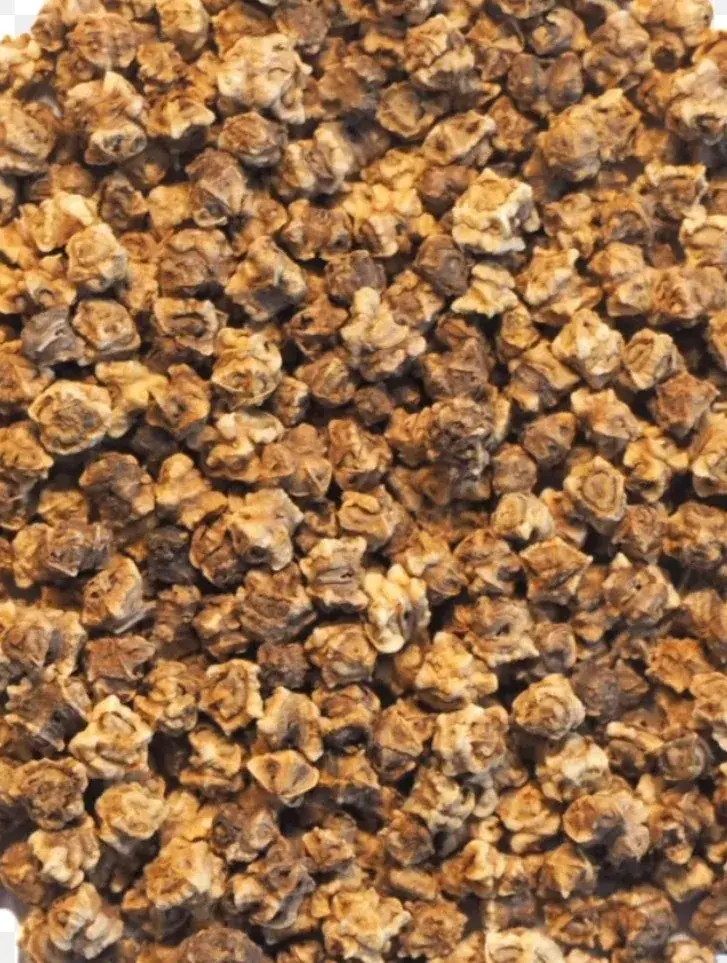
A beetroot "seed" is actually not a single seed. It is a hard, corky cluster (called a seed ball or seed cluster) containing 2-4 individual seeds. Each cluster will potentially produce 2-4 seedlings — which is why beetroot microgreen trays can appear to have uneven density in spots.
The corky outer hull is hard and must be softened through pre-soaking for reliable, uniform germination. Without soaking, some clusters germinate days after others, producing the frustrating patchy result that characterises poorly-managed beetroot microgreen grows.
Step-by-Step: How to Grow Beetroot Microgreens
What You Need
- SAGreens Organic Beetroot Seeds (100g, ₹178)
- Shallow tray (10x20 inch), 3 cm cocopeat, spray bottle, blackout cover
- A bowl for pre-soaking seeds
Step 1: Pre-Soak Seeds (6-8 Hours) — Do Not Skip
Place beetroot seeds in a bowl. Cover with room-temperature water and soak for 6-8 hours or overnight. This step is non-negotiable for good beetroot germination. After soaking, drain and rinse twice.
The soaked seeds will look slightly swollen and the outer hull will have softened. Sow immediately — do not leave in water beyond 10-12 hours.
Step 2: Prepare the Tray
Fill tray with 3 cm of cocopeat (slightly deeper than for radish, as beetroot seedlings develop a more robust root system). Moisten evenly — damp but not dripping.
Step 3: Sow Seeds
Spread soaked seeds evenly over the moist cocopeat. Remember that each cluster will produce multiple seedlings — sow at a slightly lower density than you would for single-seed varieties. For a 10x20-inch tray, use 18-22 grams of dry seed weight.
Press seeds very gently into the cocopeat surface.
Step 4: Blackout Phase — Days 1-5
Beetroot needs a longer blackout phase than radish. Cover for 4-5 days. Check once daily; mist lightly only if the cocopeat looks dry. Beetroot develops a substantial root system before sending up shoots — be patient.
Visible sprouts typically appear on day 3-4 after soaking.
In Indian summer (above 35 degrees Celsius), germination may begin on day 2-3. In winter or air-conditioned environments (below 20 degrees Celsius), germination may take 5-7 days.
Step 5: Light Phase — Days 5-10
Move to bright indirect light when shoots are 3-5 cm. The vivid red-purple stem colour develops intensely over the first 24-48 hours of light exposure — it is one of the most dramatic colour transformations in microgreen growing.
The more light (without harsh direct sun), the deeper the betalain pigmentation and the more vivid the red colour. A south or east-facing window works beautifully.
Bottom water strictly from day 5 onward. Beetroot seed hulls cling to shoots as they emerge from the growing medium — they will fall off naturally over time. Avoid washing the shoots during the grow; water on seed hulls encourages mold.
Step 6: Harvest — Days 10-14
Harvest when cotyledons are fully open and the stems are a deep, saturated red-purple. Cut with scissors above the cocopeat. Rinse thoroughly — beetroot seed hulls cling to stems and need a proper wash to remove.
Hull removal tip: After harvesting, rinse beetroot microgreens in a bowl of cold water and gently swish them around. Most seed hulls will float to the surface or sink and separate from the shoots. A second rinse completes the process. Pat dry or spin dry before using.
A 100g pack of seeds fills 2 trays and yields approximately 60-80 grams of fresh microgreens per tray.
Beetroot Microgreens in Indian Seasons
| Season | Key Challenge | Adaptation |
|---|---|---|
| Summer (Mar-Jun) | Heat accelerates germination but can stress seedlings | Keep in shaded indoor location; water morning only |
| Monsoon (Jul-Sep) | Highest mold risk (10-14 day window + high humidity) | Fan essential; strict bottom watering; ensure drainage |
| Post-monsoon (Oct-Nov) | Best all-round season | Standard care; best colour development |
| Winter (Dec-Feb) | Slow germination; may need 6-7 day blackout | Warmest indoor spot; extend blackout if needed |
How to Use Beetroot Microgreens in Cooking
Beetroot microgreens shine in raw preparations where their colour and nutrition remain intact:
Juices and smoothies:
- Blend 20-30 grams with apple, ginger, and carrot for a natural nitrate-rich morning shot
- Add to green smoothies for nutritional boost without dramatically changing the flavour
- Mix into beetroot juice for a fresh microgreen version of traditional chukander juice
Indian applications:
- Chukander ka raita — garnish with beetroot microgreens for a modern twist on the classic
- Garnish on beetroot halwa (chukander halwa) for a nutritional upgrade
- Add to kachumber salad alongside tomato, cucumber, and onion
- Sprinkle on rajma chawal for a nutritional and visual upgrade
- Use as a biryani garnish — the red-purple colour contrasts beautifully with saffron yellow
Continental uses:
- Salad base or mixed with other greens
- Grain bowl topping for colour and nitrate boost
- Garnish on soups — especially cold beetroot gazpacho
- Pizza topping added after baking
Pairing note: The earthy sweetness of beetroot microgreens pairs particularly well with goat cheese, feta, walnuts, and citrus — classic beetroot salad combinations that work just as well in microgreen form. Also explore pairing with Swiss Chard microgreens, which is a botanical relative of beetroot and shares similar nutritional compounds.
Where to Buy Beetroot Seeds for Microgreens in Pune
SAGreens sells organic beetroot seeds for microgreens in Pune — 100g packs at ₹178 with same-day delivery across all major Pune areas. Order beetroot microgreens seeds from SAGreens here.
For bulk quantities and commercial supply, contact SAGreens directly. Also explore our full seed range for other nutritionally significant varieties including red amaranthus seeds — another betalain-rich variety that pairs well with beetroot in mixed microgreen trays.
Frequently Asked Questions
Do beetroot seeds need soaking before sowing?
Yes — this is the most important step for beetroot microgreens. Pre-soak for 6-8 hours to soften the hard corky seed hull. Without soaking, germination will be slow and patchy. This single step makes the difference between a frustrating, uneven grow and a lush, dense tray.
How long do beetroot microgreens take to grow?
10-14 days from sowing to harvest. Beetroot is one of the slower microgreen varieties — be patient. The blackout phase alone is 4-5 days. Do not harvest early: the betalain content and colour intensity peak at day 12-14.
Why are there seed hulls stuck on my beetroot microgreens?
Beetroot seed hulls cling naturally to the emerging shoots. This is normal and is because beetroot seeds have a multi-layered corky outer hull. Rinse harvested microgreens in a bowl of cold water and swish gently — the hulls separate within 30-60 seconds.
What are betalains and why are they good for health?
Betalains are the red-purple pigments found in beetroot (and Swiss Chard). They are potent antioxidants and anti-inflammatory compounds. Research has demonstrated hepatoprotective (liver-protecting) activity, cardiovascular benefits, and anti-tumour properties. In India, where NAFLD (fatty liver) affects a large proportion of urban adults, betalain-rich foods like beetroot microgreens are a practical dietary intervention.
Can I use beetroot microgreens during pregnancy?
Yes. Beetroot microgreens are an excellent source of folate, which is essential for preventing neural tube defects in early pregnancy. They also provide iron (important during pregnancy) and vitamin C (which enhances iron absorption). Wash thoroughly before eating, as with all raw produce during pregnancy.
How do I store beetroot microgreens after harvest?
Rinse thoroughly to remove seed hulls, then dry as completely as possible. Store in an airtight container lined with a slightly damp paper towel in the refrigerator. Beetroot microgreens stay fresh for 4-5 days. The red colour may leach slightly onto the paper towel — this is normal.
Why are my beetroot microgreens growing unevenly?
Beetroot seeds are hard woody clusters, each containing 2-4 embryos. Uneven germination happens when seeds are not pre-soaked (the hard hull delays germination for some clusters), when seeds are sown too deep, or when moisture is uneven across the tray. Always pre-soak for 8-12 hours, sow in a single dense layer on pre-moistened cocopeat surface, and cover with minimal cocopeat or none at all. The multiple embryos per cluster are normal — some spots will have 2-3 seedlings.
What nutrients are in beetroot microgreens?
Beetroot microgreens are rich in folate (critical for neural tube development and cardiovascular health), iron, potassium, and betalain antioxidants — the same red pigment compounds that make mature beetroot renowned for health benefits. They contain significantly more concentrated nutrients per gram than mature beet. A 50g daily serving provides meaningful folate, iron, and antioxidant intake.
Where can I buy beetroot microgreen seeds in Pune?
SAGreens sells organic beetroot seeds for microgreens in Pune, available in 100g packs at ₹178. We offer same-day delivery across all Pune areas including Koregaon Park, Baner, Hinjewadi, Kothrud, and Magarpatta. Beetroot seeds are always pre-soaked before sowing — contact us for growing guidance and bulk quantities.
Troubleshooting Beetroot Microgreens in Indian Conditions
Beetroot microgreens have a few specific challenges in Indian growing conditions. Here are the most common problems and solutions.
Problem: Very slow, uneven germination (beyond 5–6 days).
Cause: Beetroot seeds (cluster fruits) are hard-hulled and variable in germination timing.
Solution: Extend pre-soak to 12 hours and increase blackout phase to 3 days. Some growers scarify the seed cluster surface by lightly rubbing between sandpaper sheets — this can improve water penetration through the hard hull. Keep the growing medium at 70% moisture (damp but not wet) throughout.
Problem: Multiple seedlings from a single sowing point.
Cause: Beetroot seeds are cluster fruits — each "seed" is actually a cluster of 2–5 seeds. Multiple germinations from one point are completely normal.
Solution: No action required unless overcrowding is excessive. If very crowded, thin by removing extra seedlings at the base to allow adequate airflow.
Problem: Pale pink stems rather than deep crimson.
Cause: Insufficient light during the growing phase, or high ambient temperature reducing betalain production.
Solution: Move trays to a brighter location. Cool conditions (18–25°C) encourage deeper colour. October–February growing produces the most vibrant crimson beetroot microgreens.
Problem: Mould at the base during monsoon growing.
Cause: High humidity combined with the dense sowing pattern.
Solution: Use bottom watering only. Space seeds slightly more generously (slight underdensity is better than mould risk). Run a fan at low speed across the growing space. Harvest at day 8–9 rather than waiting — the longer the tray sits in high humidity, the higher the mould risk.
Problem: Earthy taste that seems too strong.
Cause: Harvest timing too late (post-cotyledon) or growing medium taste absorbed.
Solution: Harvest at the cotyledon stage — when the first leaves are just fully open. Waiting longer allows the microgreen to start absorbing more of the earthy medium taste. Rinse well before serving.
Detailed Nutritional Profile of Beetroot Microgreens
Beetroot microgreens carry a unique nutritional signature that distinguishes them from other microgreens in one specific area: betalain concentration.
Betalains. The crimson and yellow pigments in beetroot are betalains — betacyanins (red) and betaxanthins (yellow). Research on betalains focuses on antioxidant activity, anti-inflammatory properties, and liver support. Beetroot microgreens concentrate betalains from the young plant at the stage of maximum pigment production.
Nitrates. Beetroot is the highest dietary source of inorganic nitrates among commonly consumed vegetables. Nitrates convert to nitric oxide in the body — nitric oxide is studied for its role in blood pressure regulation and vascular health. Beetroot microgreens contain nitrates in significant quantities, though lower than mature beetroot juice.
Folate. Beetroot microgreens are a good source of folate (vitamin B9) — important for DNA synthesis, neurological development, and pregnancy nutrition.
Iron. Non-haem iron from plant sources. Consume with vitamin C-rich foods for better absorption — pairing beetroot microgreens with tomato, lemon, or amla works well in Indian dietary context.
Key nutrient comparison (per 100g, estimated ranges):
| Nutrient | Beetroot Microgreen | Mature Beetroot |
|---|---|---|
| Betalains | High | High |
| Nitrates | Moderate | Very high |
| Folate | 90–120mcg | 109mcg |
| Vitamin C | 20–40mg | 4.9mg |
| Iron | 1.5–2.5mg | 0.8mg |
Beetroot Microgreens in Indian Cooking: Usage Ideas
Beetroot microgreens are versatile in Indian cooking contexts — more so than some imported microgreen varieties, because the beetroot flavour register is already present in the Indian kitchen.
Raita and yogurt preparations. A handful of beetroot microgreens stirred into plain yogurt creates a pink raita with an earthy, slightly sweet note. The betalain pigment turns the yogurt a pale rose — visually striking for presentation.
Dal garnish. Beetroot microgreens as a garnish on any yellow dal — masoor, toor, moong — provide colour contrast and a fresh note against the cooked, warming dal flavour.
Salad and chaat. Beetroot microgreens are natural partners to any chaat or salad where mature beetroot would be used. They add a fresher, more textured alternative to cooked or boiled beetroot slices.
Paratha. Finely chopped beetroot microgreens can be added to paratha dough for colour (the betalains turn the dough pink) and mild flavour — a visual and nutritional upgrade to plain wheat paratha.
Smoothies and juices. Blend beetroot microgreens with banana, apple, and ginger for a nutrient-dense, naturally pink smoothie. The earthy note blends well with apple and ginger.
Beetroot Microgreens for Commercial Production in India
Beetroot microgreens serve a specific role in commercial microgreen production — they are the standard choice for colour and visual drama in mixed microgreen boxes and plating compositions.
Mixed box composition. Any premium mixed microgreen box includes beetroot alongside sunflower (yellow-green), pea shoot (bright green), and radish (white or purple). Beetroot provides the deep red-crimson anchor that makes the mix visually varied.
Restaurant plating demand. Fine dining restaurants use beetroot microgreens as a visual element on vegetarian dishes, dessert plates (the crimson works against cream and white), and fusion compositions. Demand is consistent among hotel and restaurant accounts with international-style menus.
Pricing benchmark. Fresh beetroot microgreens retail at ₹250–400 per 100g. The longer production cycle (9–12 days) and slightly higher growing difficulty support the premium price point.
Frequently Asked Questions About Beetroot Microgreens
Why is my beetroot microgreen tray less colourful than I expected?
The most common cause is growing in warm conditions. Betalain pigments develop most intensely below 25°C. If you are growing in summer or in a warm room, consider AC growing at 22–24°C for the best crimson colour.
Does the colour from beetroot microgreens stain hands and surfaces?
Yes — betalains stain readily. When harvesting, handle over a dark surface or wear gloves. The stain washes off with soap and water but can linger on porous surfaces like wooden cutting boards. Use a non-porous surface for harvesting and chopping.
Are beetroot microgreens safe for children?
Yes — beetroot microgreens are completely safe for children. The earthy flavour may take some adjustment, but mixing into yogurt, smoothies, or parathas makes them more palatable for young eaters.
Can I grow beetroot microgreens without pre-soaking the seeds?
Pre-soaking is strongly recommended. The hard cluster hull significantly slows germination without soaking, and unevenness across a tray is much worse without the 8–12 hour soak. This is one of the key differences between beetroot and radish protocols — do not skip the soak for beetroot.
What is the difference between beetroot microgreens and red amaranth microgreens?
Both are deeply coloured red-purple microgreens but they are entirely different plants. Beetroot microgreens have an earthy, slightly sweet beetroot flavour and crimson betalain pigments. Red amaranth microgreens have a milder, slightly spinach-like flavour and bright magenta-to-purple anthocyanin pigmentation. Both are beautiful — they complement each other well in mixed microgreen compositions.
Pricing: SAGreens seeds — ₹178/100g (MRP ₹198, 10% off). Delivery charged at checkout. NPOP-certified organic, 90–95% germination. Order online or WhatsApp for bulk rates.
About SAGreens
SAGreens is Pune's microgreens farm and seed supplier, founded by Ajay Toradmal — representing the three-generation farming family — a third-generation farming family with decades of agricultural experience in Maharashtra. We grow fresh microgreens in our Pune facility and supply NPOP-certified seeds to home growers, restaurants, and wellness professionals across India. Our growing guides are written from real experience across Pune's four seasons, not from textbooks.
Explore our complete seed range, read more guides on our microgreens blog, or contact us for bulk orders and wholesale pricing.
Related Reading
Fresh Tips & Exclusive Offers
Subscribe for growing tips, seasonal updates, and exclusive offers on fresh organic microgreens in Pune.