Swiss Chard Microgreens: Rainbow Stems in 10-14 Days
Swiss Chard Microgreens Growing Guide India | Colourful
Key Takeaways: Swiss Chard microgreens produce colourful red, yellow, and white stems — one of the most visually striking varieties available. 88%+ germination. Harvest in 10-14 days. Pre-soak seeds for 6-8 hours. Rich in vitamins K, A, C and magnesium. Available from SAGreens Pune in 100g packs at ₹178.
Swiss Chard microgreens are among the most visually spectacular varieties you can grow at home. Unlike the uniform green shoots of broccoli or the single-colour stems of mustard, Swiss Chard microgreens produce a rainbow of stem colours — deep crimson red, vivid yellow-gold, creamy white — depending on which seed clusters germinate in your tray. The effect in a single tray is genuinely stunning, and a small garnish of Swiss Chard microgreens transforms even a simple meal into a restaurant-quality presentation.
Beyond aesthetics, Swiss Chard microgreens are substantively nutritious — exceptionally high in vitamins K, A, and C, and rich in magnesium and potassium. They have a mild, earthy flavour similar to young spinach, which makes them highly versatile across Indian and continental cooking.
What Is Swiss Chard?
Swiss Chard (Beta vulgaris var. cicla) is a leafy green vegetable in the beet family, closely related to beetroot and sugar beet. Despite the "Swiss" in its name, it has its origins in the Mediterranean and has been cultivated across Europe and Asia for centuries. In India, it is increasingly grown in home gardens and polyhouses, particularly in Maharashtra, Karnataka, and Himachal Pradesh.
As a microgreen, Swiss Chard is harvested at the cotyledon stage (day 10-14), well before it forms its distinctive large mature leaves. The microgreen form concentrates the plant's nutrients significantly — research on Beta vulgaris microgreens shows 4-8 times more vitamin K per gram in the microgreen stage compared to mature Swiss Chard.
Nutritional Benefits of Swiss Chard Microgreens
| Nutrient | Benefit | Indian Health Relevance |
|---|---|---|
| Vitamin K | Blood clotting; bone health | Often under-consumed; important for osteoporosis prevention |
| Vitamin A | Eye health; immune function; skin | Deficiency common in India, especially in non-dairy diets |
| Vitamin C | Antioxidant; iron absorption enhancer | Helps absorb iron from plant-based Indian diets |
| Magnesium | Muscle and nerve function; blood sugar | Deficiency extremely common in urban Indian populations |
| Potassium | Blood pressure regulation; heart health | Counters effects of high-sodium Indian snack and pickle culture |
| Betalains | Antioxidant; anti-inflammatory | Also found in beetroot; supports liver health |
Bone health note: Vitamin K is essential for osteocalcin activation — the protein that anchors calcium into bone matrix. Without adequate vitamin K, dietary calcium cannot be properly incorporated into bone. Swiss Chard microgreens are one of the richest food-form sources of vitamin K available in the microgreen category. For postmenopausal women and elderly individuals in India, where bone density loss is a significant health challenge, regularly including vitamin K-rich greens is clinically relevant.
The Unique Seed Structure of Swiss Chard
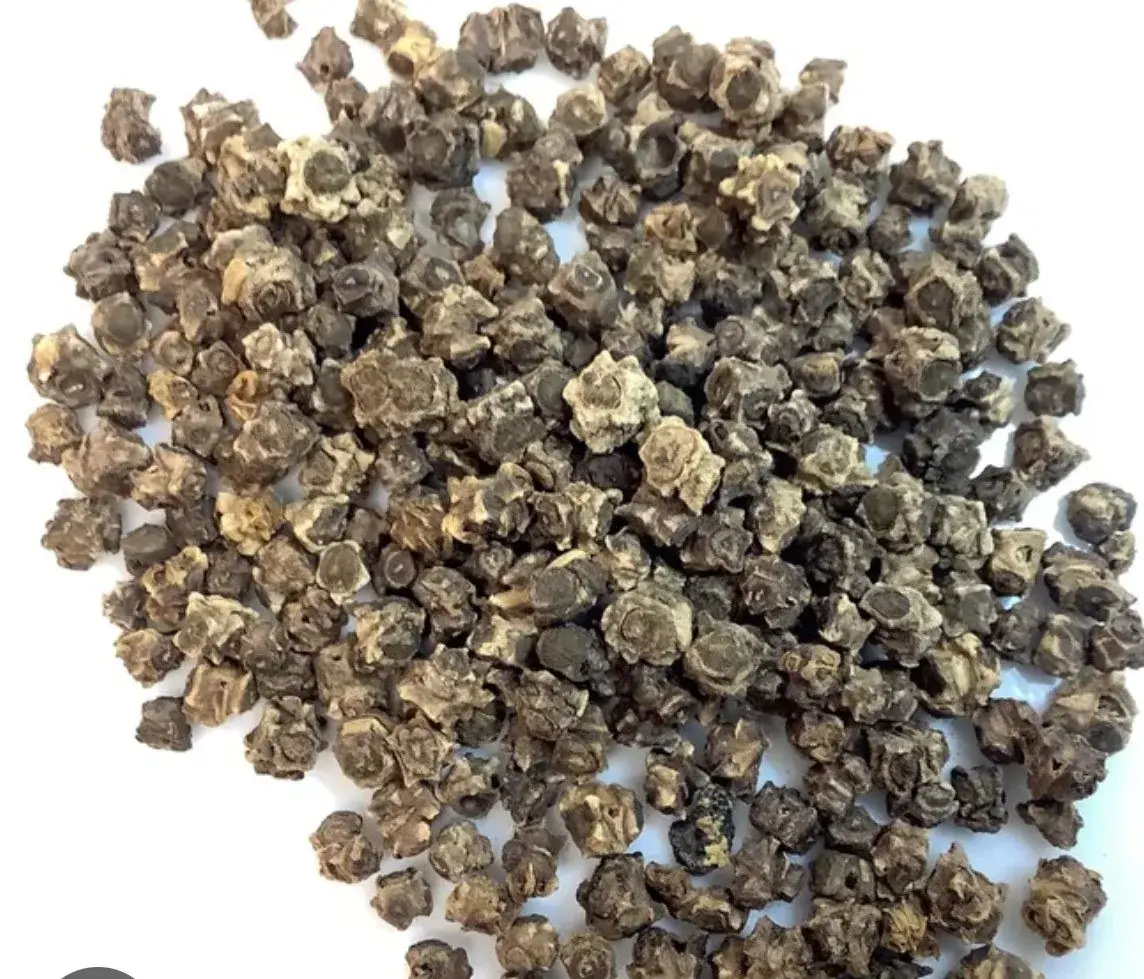
Swiss Chard seeds are unusual in the microgreen world: each seed is actually a cluster of 2-4 individual seeds enclosed in a corky outer hull. This has two implications:
- Pre-soaking is important: The hard hull softens with 6-8 hours of soaking, which significantly improves germination speed and uniformity.
- Multiple seedlings per seed point: One Swiss Chard "seed" can produce 2-4 seedlings — so sowing density should be slightly lower than single-seed varieties like radish.
Understanding this seed structure prevents the two most common Swiss Chard microgreen mistakes: sowing too densely (causes overcrowding and mold) and skipping the soak (causes patchy, slow germination).
Step-by-Step: How to Grow Swiss Chard Microgreens
What You Need
- SAGreens Organic Swiss Chard Seeds (100g, ₹178)
- Shallow tray (10x20 inch), 2-3 cm cocopeat, spray bottle, blackout cover
- A bowl for pre-soaking seeds
Step 1: Pre-Soak Seeds (6-8 Hours)
Place Swiss Chard seeds in a bowl and cover with room-temperature water. Soak for 6-8 hours (overnight works perfectly). After soaking, drain and rinse the seeds twice.
You will notice the seeds have swelled slightly and some of the outer hull has softened. They are ready to sow immediately — do not leave soaked seeds sitting in water for more than 10-12 hours.
Step 2: Prepare the Tray
While seeds soak, prepare your tray with 2-3 cm of cocopeat. Moisten evenly. Level the surface.
Step 3: Sow Seeds
Spread soaked seeds evenly over the moist cocopeat. Use a slightly lower density than you would for radish — the multi-seedling nature of Swiss Chard means each point will produce several shoots. For a 10x20-inch tray, 15-18 grams of dry seed (pre-soaking weight) is appropriate.
Press seeds very gently into the cocopeat surface.
Step 4: Blackout Phase — Days 1-4
Cover and keep in complete darkness for 3-4 days. Swiss Chard germinates more slowly than radish — expect visible sprouts on day 3-4 rather than day 1-2.
Check daily and mist the cocopeat if it looks dry. In Indian summer, germination may begin on day 2.
Step 5: Light Phase — Days 4-10
Move to bright indirect light when seedlings are 3-4 cm. The colour in the stems develops visually over the next 4-6 days. Red stems become more saturated; yellow stems glow; white stems gleam. Bright light (without harsh direct sun) intensifies all the colours.
Bottom water from day 5 onward to keep stems dry and vibrant.
Step 6: Harvest — Days 10-14
Harvest when cotyledon leaves are fully open and the stem colours are at their most vivid. Cut with clean scissors above the cocopeat. Rinse gently and use immediately.
Visual tip: For the most striking presentation, harvest your Swiss Chard microgreens in the morning light and arrange them mixed on a white plate — the contrast of red, yellow, and white stems against a clean background is genuinely stunning. This is what professional chefs use Swiss Chard microgreens for.
Growing Swiss Chard Through Indian Seasons
Swiss Chard is a cool-season plant that has been adapted to tropical conditions through careful growing management:
| Season | Notes |
|---|---|
| Summer (Mar-Jun) | Fast germination but slower colour development; shade from afternoon sun |
| Monsoon (Jul-Sep) | High mold risk over the 10-14 day window; fan essential |
| Post-monsoon (Oct-Nov) | Best all-round growing conditions for Swiss Chard in Pune |
| Winter (Dec-Feb) | Best colour development; germination slightly slower (day 3-5) |
How to Use Swiss Chard Microgreens in the Kitchen
The mild, earthy flavour of Swiss Chard microgreens makes them highly versatile:
Raw (best for preserving colour and nutrients):
- Salads as a colourful base or mixed with other greens
- Grain bowls (quinoa, millets, rice) for visual appeal and nutrition
- Wraps and rolls where the colour shows through
- As a garnish on any dish where visual presentation matters
Light heat (brief contact only):
- Added to pasta at the last second off the heat
- Stirred into warm dal just before serving
- Wilted lightly in butter as a side dish
Indian dishes:
- Garnish on rajma or chole for colour and nutrition contrast
- Mixed into raita as a visual and nutritional upgrade
- Added to kachumber salad for colour variety
- Layer in sandwiches and club sandwiches
For companion varieties, pair Swiss Chard with organic spinach seeds for a mixed green microgreen tray that covers both visual appeal and deep nutritional density.
Where to Buy Swiss Chard Seeds for Microgreens in Pune
SAGreens sells organic Swiss Chard seeds in Pune — 100g packs at ₹178 with same-day delivery across Pune and Maharashtra. Order Swiss Chard microgreens seeds from SAGreens here.
For growing questions and custom orders, contact SAGreens. Browse our full blog for more microgreens growing guides including our beetroot microgreens guide — another colourful beet-family variety worth growing alongside Swiss Chard.
Frequently Asked Questions
Do Swiss Chard seeds need soaking before sowing?
Yes. Pre-soak Swiss Chard seeds for 6-8 hours before sowing. The seeds have a hard, multi-seeded corky hull that softens with soaking, improving germination speed and uniformity significantly. This is one of the most important steps for a successful Swiss Chard microgreen grow.
Why are my Swiss Chard microgreens growing unevenly?
Uneven growth in Swiss Chard is common and usually has two causes. First, each Swiss Chard seed cluster produces 2-4 seedlings, so some spots will appear denser than others. Second, if seeds were not pre-soaked, germination will be uneven. Ensure pre-soaking and slightly lower sowing density next time.
What do Swiss Chard microgreens taste like?
Swiss Chard microgreens have a mild, earthy, slightly sweet flavour similar to young spinach but milder. They are considerably less bitter than mature Swiss Chard. The coloured stems do not significantly affect the flavour — red and yellow stems taste essentially the same.
How long do Swiss Chard microgreens stay fresh after harvesting?
Store unwashed in an airtight container with a slightly damp paper towel in the refrigerator. Swiss Chard microgreens will stay fresh for 4-5 days. For best colour and flavour, use within 2-3 days of harvest.
Are Swiss Chard and beetroot microgreens related?
Yes. Swiss Chard (Beta vulgaris var. cicla) and beetroot (Beta vulgaris) are the same species, different varieties. This is why they have similar seed structures (the corky cluster hull), similar growing requirements, and both contain betalain pigments. Growing them together in adjacent trays is a natural pairing.
How long do Swiss Chard microgreens take to grow in India?
Swiss Chard microgreens take 10-14 days from sowing to harvest in Indian indoor conditions (22-30 degrees Celsius). The seeds are actually seed clusters (each cluster contains 2-4 seeds), so germination may appear dense in spots — this is normal. The blackout phase is 4-5 days; the light phase is 5-9 days.
Are Swiss Chard microgreens the same as beetroot microgreens?
Swiss Chard (Beta vulgaris subsp. cicla) and beetroot (Beta vulgaris) are subspecies of the same plant species. Swiss Chard microgreens and beetroot microgreens are closely related, share similar nutritional profiles, and both can have coloured stems. The main difference is that Swiss Chard varieties are bred for leaf production (multiple harvests in the field) while beetroot varieties develop a storage root. As microgreens, both are harvested at the same cotyledon stage and the taste is very similar.
Where can I buy Swiss Chard seeds for microgreens in Pune?
SAGreens sells organic Swiss Chard seeds for microgreens in Pune, available in 100g packs at ₹178. We deliver same-day across all Pune areas including Koregaon Park, Baner, Hinjewadi, Kothrud, and Magarpatta. Contact us on WhatsApp for bulk quantities or restaurant supply.
Swiss Chard Colour Varieties: Ruby, Golden, and Rainbow
Swiss chard seeds are sold in several colour varieties, each producing microgreens with slightly different stem colours. Understanding the varieties helps growers choose the right product for their market.
Ruby chard (red chard). Produces deep crimson-to-ruby stems with green cotyledons — the most visually striking of the chard varieties. The red colour comes from betalain pigments (the same family as beetroot pigments). Ruby chard is the most popular for restaurant plating and premium visual presentation.
Golden chard. Produces golden-yellow stems — a softer, warm visual contrast to green growing medium. Less intense than ruby but equally attractive as a plating element. The milder colour works well in mixed microgreen compositions.
Rainbow chard (mixed stems). A mixed seed of ruby, golden, orange, and white-stemmed varieties. Each seed in the mix produces a different stem colour, resulting in a tray with multicoloured stems. Very popular for mixed microgreen boxes and visual display. Slightly unpredictable from batch to batch (colour ratios vary), but the visual effect is exceptional.
White chard (silver beet). Pale cream stems with dark green cotyledons. The mildest in flavour of the chard varieties and the most versatile for blending into cooking where a visible green is wanted without a strong colour.
SAGreens supplies Swiss chard seeds — check our seeds page for current variety availability.
Nutritional Benefits of Swiss Chard Microgreens in Detail
Swiss chard microgreens carry the same nutritional profile characteristics as mature Swiss chard — concentrated into a smaller, more intensely nutritious package.
Betalains. The red and yellow pigments in Swiss chard are betalains — water-soluble pigments studied for antioxidant activity and anti-inflammatory properties. Unlike anthocyanins (which change colour with pH), betalains are stable in both acidic and alkaline conditions, which is relevant for cooking applications.
Vitamins K and A. Swiss chard microgreens are particularly rich in vitamin K (important for blood clotting and bone health) and vitamin A precursors (beta-carotene in the yellow varieties).
Magnesium. Swiss chard is one of the better plant sources of magnesium — important for muscle function, energy metabolism, and sleep quality. Magnesium deficiency is common in Indian diets.
Iron. Swiss chard microgreens contain non-haem iron in useful quantities. Consumed with vitamin C-rich foods (tomato, lemon), absorption is enhanced — relevant for vegetarian and vegan Indian diets.
Swiss Chard Microgreens: Seasonal Calendar for India
October–February (best quality). Cool conditions produce excellent Swiss chard with vibrant colour and strong stem development. The betalain pigments develop most intensely in the 15–22°C temperature range. This is the premium quality window.
March–April (good quality). Warming weather slightly reduces colour intensity. Still commercially viable and good quality. Complete trays before temperatures consistently exceed 30°C.
May–June (challenging). High temperatures reduce pigment intensity and increase damping-off risk. Grow in AC environments at 22–25°C for commercial quality.
July–September (monsoon). Swiss chard can be grown during monsoon with good airflow management. Slightly paler colour and higher damping-off risk. Bottom watering essential.
Colour note: If you want the most vibrant ruby or golden stems, grow in October–February. The colour difference between cool-season and hot-season Swiss chard microgreens is visually significant.
Commercial Value of Swiss Chard Microgreens in India
Swiss chard microgreens are not yet widely produced in India, which creates both an opportunity and a challenge for commercial growers.
Opportunity. Relative scarcity in the Indian market means that growers supplying Swiss chard microgreens can command premium pricing and face limited competition from other local producers. Hotel F&B teams and fine dining chefs who know the variety actively seek it out.
Challenge. Consumer awareness of Swiss chard is limited in India — most buyers need education about what it is, how it tastes, and how to use it. Commercial growers need to be prepared to explain the product.
Target channels. Swiss chard microgreens are best positioned at:
- Fine dining restaurants with international menus (European, Japanese, modern Indian fusion)
- Five-star hotel kitchens with executive chefs familiar with the variety
- Specialty vegetable delivery services targeting expat or internationally-travelled consumers
- Premium microgreen subscription box services as a "featured variety"
Pricing benchmark. Swiss chard microgreens retail at ₹300–500 per 100g. The longer production cycle (8–11 days) and moderate technical difficulty support this premium.
Troubleshooting Swiss Chard Microgreens
Problem: Seeds are slow to germinate (beyond 4 days).
Cause: Swiss chard seeds (actually fruit clusters) are hard and may have variable germination timing. Different seeds in a cluster germinate at different times.
Solution: Pre-soak for 6–8 hours and cover for 3 days rather than 2 before uncovering. Some growers also scarify (lightly rub the seed clusters) before soaking.
Problem: Multiple seedlings emerging from a single sowing point.
Cause: Swiss chard seeds are cluster fruits — one cluster can contain 2–3 seeds. Multiple seedlings from one spot is normal.
Solution: This is expected. If overcrowding is a problem, thin by removing extra seedlings. For most home growing, the multiple-sprout characteristic does not significantly affect the final harvest.
Problem: Stems are pale and thin with poor colour.
Cause: Insufficient light exposure after germination.
Solution: Move trays to a brighter location. Swiss chard colour develops in proportion to light exposure. Bright indirect light for 4–6 hours daily is the target.
Frequently Asked Questions About Swiss Chard Microgreens
Is Swiss chard the same as silverbeet?
Yes. Swiss chard and silverbeet are the same plant (Beta vulgaris subsp. cicla) — different common names are used in different countries. In Australia and the UK, silverbeet is the more common name; in the US and India, Swiss chard is more commonly used in health food contexts.
Are Swiss chard microgreens safe to eat every day?
Yes for most people. Swiss chard contains oxalic acid — as do spinach, kale, and many leafy greens. For people with kidney stones (particularly calcium oxalate stones) or certain kidney conditions, moderate consumption is recommended rather than daily large quantities. For others, Swiss chard microgreens are safe as a regular part of a varied diet.
Can I grow Swiss chard microgreens in a mix with beetroot?
Yes — they are closely related (both Beta vulgaris species) and have similar growing requirements. A mixed Swiss chard and beetroot tray produces a visually diverse mix of red, yellow, and green stems. Growing medium and water requirements are identical for both.
Why does my Swiss chard microgreen taste slightly earthy?
The mild earthy note in Swiss chard microgreens comes from geosmin — the same compound responsible for the petrichor smell of earth after rain. It is also present in mature beetroot and chard. It is not an off-flavour; it is characteristic of the Beta vulgaris family. Pairing with lemon or acidic dressings brightens the flavour.
How do I store Swiss chard microgreens after harvest?
Harvest with scissors just above the growing medium. Do not wash until ready to use. Lay in a single layer in a container with a dry paper towel, seal, and refrigerate. Swiss chard microgreens last 5–7 days refrigerated. The vibrant stem colour is best preserved when stored dry and cold.
Pricing: SAGreens seeds — ₹178/100g (MRP ₹198, 10% off). Delivery charged at checkout. NPOP-certified organic, 90–95% germination. Order online or WhatsApp for bulk rates.
About SAGreens
SAGreens is Pune's microgreens farm and seed supplier, run by Ajay Toradmal — representing the three-generation farming family — a third-generation farming family from Keshav Nagar, Pune. We grow and supply colourful, nutritious microgreens and premium seeds across India. Explore our full seed range or reach us directly for wholesale and commercial enquiries.
Quick Reference: Swiss Chard Microgreens
Sow rate: 15-20g per 10x20 inch tray.
Pre-soak: 4-6 hours in room temperature water (the clustered seeds swell and separate, improving germination distribution).
Growing medium: Coco peat (recommended) or soil.
Germination time: 2-3 days at 22-26 degrees C.
Light requirement: 4-6 hours indirect bright light daily.
Harvest window: Day 9-12 from sow, when cotyledons are fully open.
Stem colour varieties: Ruby red (most common), golden yellow, rainbow mix (multicolour), white (albino).
Colour tip: The stem colour is genetic, not light-dependent. Ruby red stems are vivid regardless of light exposure.
Best uses: Raw garnish, salads, high-end plating (the coloured stems photograph extremely well), juicing.
NPOP certification: Yes — all SAGreens chard seeds.
Germination guarantee: 85%+ or replacement.
Storage after harvest: Airtight container with damp paper towel, refrigerator, 5-6 days.
Sourcing: SAGreens supplies NPOP-certified Swiss chard seeds with delivery across India — Pune same-day, Mumbai and Delhi 2-3 days, all other metros 2-4 days. See our seed range for current availability and pricing. For large commercial orders or festival advance booking, contact us directly.
Related Reading
Fresh Tips & Exclusive Offers
Subscribe for growing tips, seasonal updates, and exclusive offers on fresh organic microgreens in Pune.