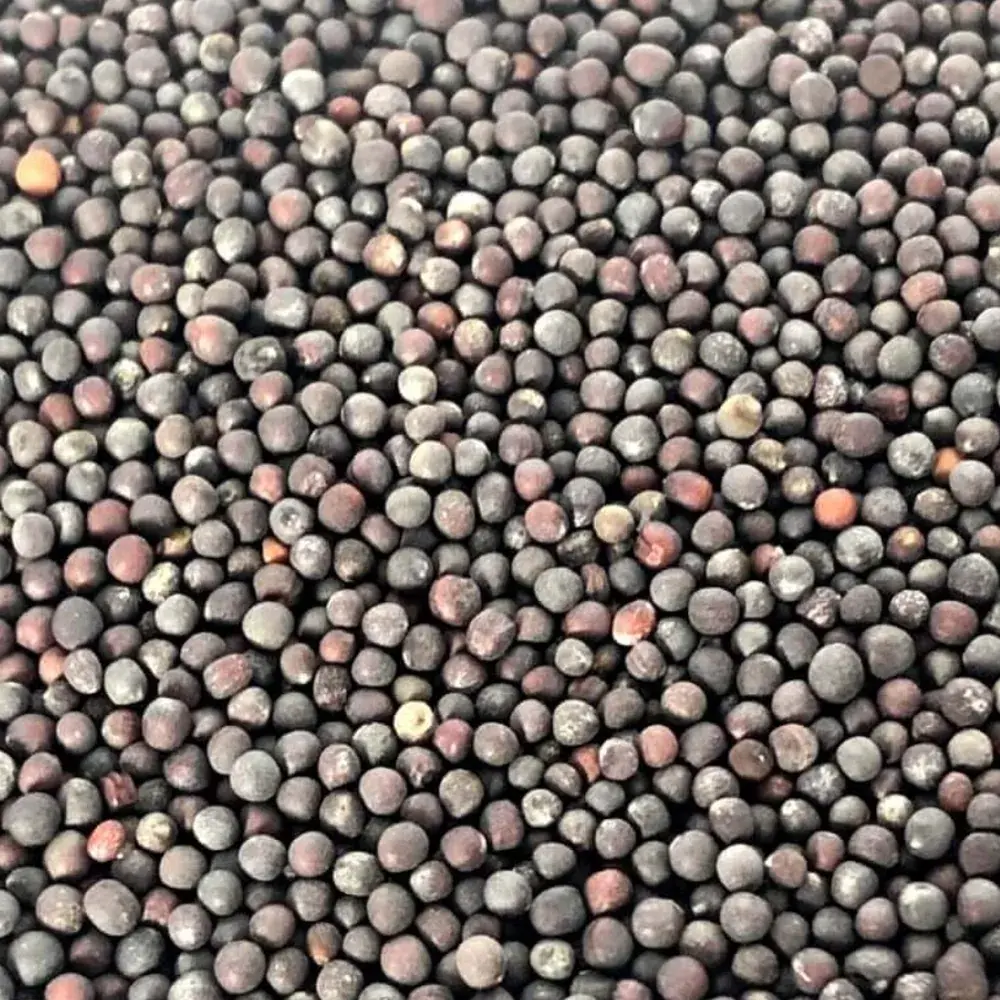
Pak Choi Microgreen Seeds (पाक चोई / Bok Choy)
Pak choi microgreen seeds. In English the crop is pak choi, or bok choy in American usage. Hindi and Marathi both use पाक चोई, because pak choi is not a traditional Indian vegetable and neither language has an older word for it; Hindi seed lists sometimes file it under चीनी पत्ता गोभी, Chinese leaf cabbage. Botanically it is Brassica rapa subspecies chinensis, the same species as the turnip we sell. On a tray it gives a mild, juicy leaf with a gentle cabbage sweetness and only a trace of pepper, nothing like the heat of mustard or radish. Days to harvest: 8 to 10 days. No pre-soak needed. Non-GMO, untreated, germination tested before packing.
₹129 / 100g
Health Benefits
- •Non-GMO, untreated seed
- •Mild and juicy, with a gentle cabbage sweetness and only a trace of pepper
- •The gentlest brassica we sell, so it suits children and first-time growers
- •Brassica rapa, the same species as turnip and the napa cabbage group
- •Quick on a tray, with no soaking step
How to Grow
- Store in a cool, dry place until ready to use
- No pre-soaking. Sow dry on pre-moistened cocopeat
- Blackout for 2 to 3 days, then bright indirect light
- Harvest at 8 to 10 days, once the cotyledons have opened fully
Germination tips for microgreens
- •Sow dry. Pak choi is a small round brassica seed like radish and mustard, and it draws moisture straight out of damp cocopeat. Soaking makes seed this size clump and sow in patches.
- •Level the cocopeat before sowing. Small round seed rolls into any dip, and a tray sown into hollows comes up uneven.
- •Blackout for 2 to 3 days with a light weight on top, so the stems push upward and stand straight.
- •Bottom water once the seed has germinated. Misting flattens seedlings this small.
- •Keep air moving across the tray, especially through the monsoon, because a dense brassica tray holds humidity at the base.
- •Ready at 8 to 10 days, once the cotyledons are fully open and the stems are firm.
- •Flavour is mild and stays mild. Unlike mustard or radish it does not build heat as the tray ages, so cutting a day late costs you nothing.
- •If a tray runs leggy, it wanted light sooner. Pak choi comes out of blackout earlier than most brassicas.
Frequently Asked Questions
What is pak choi called in English, Hindi and Marathi?
In English it is pak choi, or bok choy in American usage. Hindi and Marathi both use पाक चोई, the English name written in Devanagari, because pak choi reached Indian kitchens recently and neither language has an older word of its own for it. Hindi seed lists sometimes file it under चीनी पत्ता गोभी, Chinese leaf cabbage, although that name is also used for napa cabbage, which is a different subspecies.
Is pak choi the same as bok choy?
Yes. Pak choi and bok choy are two romanisations of the same Cantonese name for Brassica rapa subspecies chinensis. British and Indian seed packets usually say pak choi; American ones usually say bok choy. The seed on this page is the same plant either way, sold for growing microgreens.
How much do pak choi microgreen seeds cost?
₹129 for a 100g pack. Pak choi is small round seed, so a pack sows a good number of trays at a normal sowing rate. Delivery is charged at checkout by order weight.
Do pak choi seeds need soaking before sowing?
No. Pak choi is a small round brassica seed like radish and mustard, and it takes moisture directly from damp cocopeat. Soaking makes seed this size clump together and sow in patches.
How long do pak choi microgreens take to grow?
Eight to ten days on a tray, with two to three days of that in blackout. Cut once the cotyledons have opened fully and the stems are firm.
What do pak choi microgreens taste like?
Mild and juicy, with a gentle cabbage sweetness and only a trace of pepper, nothing like the heat you get from mustard or radish. It is the gentlest brassica we sell, which makes it the one to try if sharp microgreens have put your family off before. Use it where you want bulk and crunch rather than bite: through a salad, folded into fried rice at the end, or over noodles and soup.
Can I grow pak choi microgreens in Indian heat?
Yes, with shade and airflow. Pak choi is a cool-season brassica and runs best on a tray between roughly 18 and 28 degrees. Through a Pune or Mumbai summer, keep the tray out of direct afternoon sun, keep air moving across it, and expect to cut a day or two earlier than you would in winter.
Is pak choi related to turnip?
Closely. Both are Brassica rapa, the same species, separated only at subspecies level: pak choi is subspecies chinensis and turnip is subspecies rapa. That is why the two seeds look almost identical in the hand and why they behave the same way on a tray.
Related Seeds
- Organic Sunflower Seeds — ₹124 / 100g
- Organic Red Radish Seeds (China Rose) — ₹120 / 100g
- Organic Broccoli Seeds — ₹200 / 20g
- Organic Mustard Seeds — ₹124 / 100g
Browse all microgreen seeds, or ask us what suits your tray.
Fresh Tips & Exclusive Offers
Subscribe for growing tips, seasonal updates, and exclusive offers on fresh organic microgreens in Pune.