Kohlrabi Microgreen Seeds (Khol Khol): Price, How Much to Sow and Where to Buy in India
Kohlrabi has the highest pack price in our catalogue at ₹360 per 100g, and it is not close to being the most expensive seed we sell to actually grow. Those two statements are both true, and the gap between them is the single most useful thing to understand before you buy any microgreen seed.
Key Takeaways: SAGreens sells organic kohlrabi (khol khol) seed at ₹360 per 100g. Sow 10 to 14g per 25cm tray, so a 100g pack fills 7 to 10 trays at roughly ₹36 to ₹50 of seed each. That is about a third of what broccoli costs per tray, despite broccoli carrying a lower pack price. Germination tests at 90 per cent or better, harvest is 8 to 12 days, and the flavour is mild and faintly sweet — the brassica for people who find radish and mustard too sharp.
This guide is about buying and sowing the seed: why the pack price is high, what a tray actually costs, how much to sow, and how kohlrabi compares against the other brassicas in the range. For nutrition, cooking and the full growing method, our kohlrabi microgreens guide covers it in depth.
Why kohlrabi seed costs what it does
Three things set the price, and none of them is a margin decision.
It is grown for seed in small volumes. Kohlrabi is a niche vegetable in India. Nobody in Maharashtra plants a field of it the way they plant mustard or radish, so seed comes from smaller multiplications with correspondingly higher costs per kilogram. Radish seed is cheap because radish is grown everywhere.
It has to be untreated. Brassica seed sold for field planting is routinely dressed with fungicide, and treated seed is dyed pink, red or blue precisely so nobody eats it. Sourcing untreated kohlrabi in food-grade condition narrows the supply further. Our seed safety guide explains why this matters more than any other buying criterion.
Small seed carries the cost of cleaning. Kohlrabi seed is around two millimetres, and getting a lot clean enough to sow evenly — free of chaff, cracked seed and other brassica varieties — is more work per kilogram than it is on something the size of a sunflower seed.
A high pack price on a small seed is normal, and it is not the number to judge a variety by. What a tray costs depends on price per gram multiplied by how many grams the tray takes, and small seed takes very few grams.
Kohlrabi seed at a glance
| Kohlrabi (khol khol) | |
|---|---|
| Botanical name | Brassica oleracea var. gongylodes |
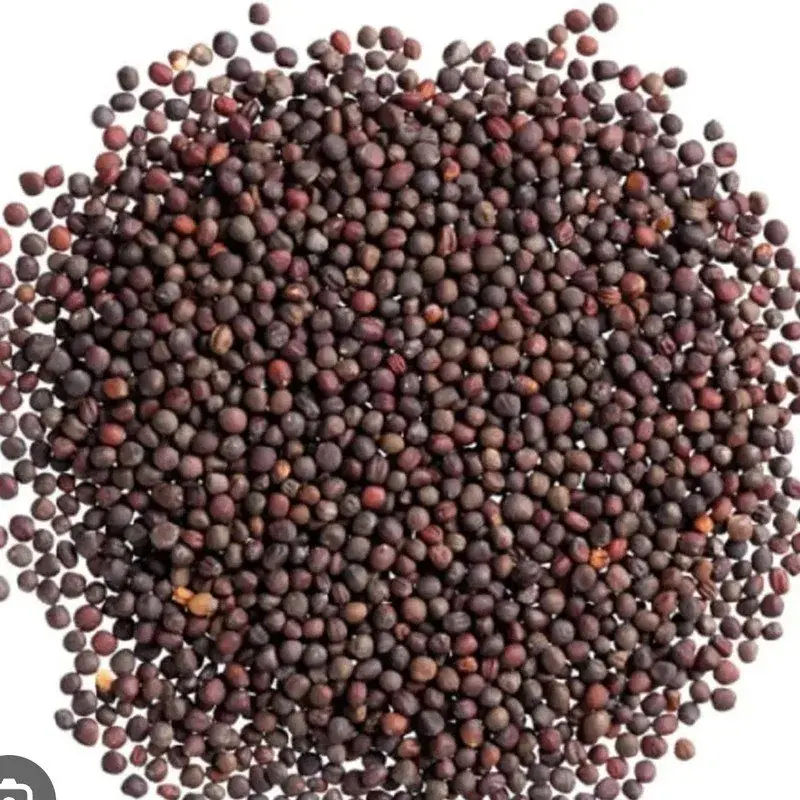
| Seed | Small, round, reddish brown, roughly 2mm |
| Pre-soak | 4 to 6 hours, drained thoroughly |
| Germination | 2 to 3 days to first shoots |
| Our tested rate | 90 per cent or better |
| Blackout | 3 to 4 days |
| Harvest | 8 to 12 days |
| Seed per 25cm tray | 10 to 14g |
| Trays per 100g pack | 7 to 10 |
| Seed cost per tray | ₹36 to ₹50 |
| Price | ₹360 per 100g |
The number that matters: cost per tray
Here is the whole catalogue viewed the way a grower should view it, at each variety's own sowing rate rather than by pack price.
| Seed | Pack price (₹) | Per gram (₹) | Sown per tray | Seed cost per tray (₹) |
|---|---|---|---|---|
| Red radish | 139 per 100g | 1.39 | 8 to 12g | 10 to 14 |
| Mustard | 124 per 100g | 1.24 | 15 to 20g | 19 to 25 |
| Kohlrabi | 360 per 100g | 3.60 | 10 to 14g | 36 to 50 |
| Purple sango radish | 160 per 25g | 6.40 | 8 to 12g | 51 to 77 |
| Broccoli | 200 per 20g | 10.00 | 8 to 12g | 80 to 120 |
Broccoli has a pack price of ₹200 and kohlrabi has one of ₹360, and broccoli costs between two and three times more per tray. The 20g pack is the reason: at ₹10 a gram it is by some distance the most expensive seed in the range by weight, and the small pack disguises it.
That inversion is worth sitting with, because it changes what a sensible rotation looks like. If you want a mild brassica in the tray every week, kohlrabi is the cheaper way to have one. Our India seed price guide works the same arithmetic across the rest of the catalogue.
Two packs in our range are not 100g. Broccoli is 20g and purple sango is 25g. Both look mid-priced on a list sorted by pack price and are the two most expensive seeds we sell by weight.
How much kohlrabi seed to sow
10 to 14g for a standard 25cm by 25cm tray. That is slightly more than radish takes and rather less than mustard, and it reflects seed that is small but not tiny.
- 100g pack — 7 to 10 trays
- A tray a fortnight — one pack lasts three to five months
- A tray a week — plan on 45 to 60g a month
Each tray gives 80 to 120g cut at 8 to 12 days, so a pack turns into somewhere between 600g and a kilogram of finished microgreens.
Weigh it. Ten grams of kohlrabi seed is a small heap that looks like nothing in the bottom of a tray, and the instinct to add more is strong and wrong. Overcrowded brassica seedlings trap moisture between stems, block airflow at the base of the canopy, and that is where damping off starts.
Order from our organic kohlrabi seeds page, or see the full microgreen seed catalogue for the rest of the range.
Soaking kohlrabi: the decision people get wrong
We recommend a 4 to 6 hour soak, and the way you handle the seed afterwards matters more than the soak itself.
The case for it is that kohlrabi germination comes up more evenly on soaked seed, and the tray finishes as one canopy rather than over two or three days. The case against soaking any small brassica is that wet seed clumps, and a clumped sowing is worse than no soak at all — you get dense patches that rot and bare patches that do not.
So the rule is: soak, then drain properly. Tip the seed into a fine strainer, rinse once, and shake it until the seeds move freely against each other rather than sticking in a mass. If they are still tacky, spread them on a cloth for ten minutes. Sow immediately after that, not an hour later.
Do not go past eight hours. Beyond that the seed is sitting in oxygen-depleted water and germination drops rather than improves. Our seed soaking guide covers which varieties need it and which do not.
If you have had a clumped, patchy brassica tray before, sow kohlrabi dry. It germinates perfectly well without the soak — a day slower and slightly less even, which is a fair trade for a sowing you can spread properly.
Buying kohlrabi seed: what to check
Untreated, and confirm it. This is the one non-negotiable. Fungicide-dressed seed grows a beautiful tray that must never be eaten. Dyed seed is obvious; undyed treated seed is not, so buy from somewhere that states it explicitly.
A germination figure, not a claim. Ours tests at 90 per cent or better before packing. A seller who cannot give you a number for the lot you are buying has not tested it.
Check the pack size before comparing prices. This is where kohlrabi is most often misjudged. Compare rupees per gram, not rupees per pack, and then compare rupees per tray, which is the only figure that reaches your costs.
A packing or harvest date. Brassica seed is durable — two to three years stored properly, and radish and mustard manage four — but you still want to know what you are starting from. Our seed storage guide covers viability across the range.
Kohlrabi against the other brassicas
They are close relatives and behave differently enough that the choice is not arbitrary.
| Kohlrabi | Broccoli | Red radish | Mustard | |
|---|---|---|---|---|
| Flavour | Mild, faintly sweet | Mild, cabbage-like | Peppery, sharp | Hot, pungent |
| Days | 8 to 12 | 8 to 10 | 6 to 8 | 6 to 8 |
| Germination | 90 per cent plus | 90 to 95 | 90 to 95 | 90 to 95 |
| Seed per tray (₹) | 36 to 50 | 80 to 120 | 10 to 14 | 19 to 25 |
| Difficulty | Straightforward | Straightforward | Easiest | Easiest |
Grow kohlrabi if you want a brassica that nobody at the table objects to. Radish and mustard are assertive, and in a household where someone finds them too sharp they simply do not get eaten. Kohlrabi is mild and slightly sweet, which makes it the one that disappears into salads, raita and sandwiches without comment.
Grow broccoli instead if the point is specifically broccoli — it is the variety with the research attention, and no substitution changes that. Just be clear that it is the expensive tray in the rotation, not the cheap one.
Do not start with kohlrabi if this is your first tray. Begin with red radish, which forgives nearly everything, and come to kohlrabi once a failed tray costs you a week rather than confidence. Our beginner seed guide sets out the order we suggest.
Sowing kohlrabi seed, briefly
The full method is in the kohlrabi growing guide. What is specific to the seed:
- Soak 4 to 6 hours, then drain until the seed runs loose. Or skip the soak entirely and sow dry, which is the safer choice if even sowing is something you struggle with.
- Sow 10 to 14g across a 25cm tray, in a single layer. No stacking. Small brassica seed sown two deep gives you a rotting layer underneath a healthy one.
- Blackout 3 to 4 days, until the shoots are 2 to 3cm and pale. Kohlrabi pushes up strongly in the dark and the stems are better for it.
- Bottom water from the moment shoots appear. Brassicas at this density are damping-off candidates, and a wet canopy in Indian humidity is how it starts.
- Harvest at 8 to 12 days, when the cotyledons are fully open. The flavour is mildest at that point and sharpens if you leave the tray longer, which is the opposite of what most people expect.
What goes wrong with kohlrabi seed specifically
| What you see | Cause | What to do |
|---|---|---|
| Dense patches and bare patches | Soaked seed sown while still clumping | Drain until seeds run loose, or sow dry |
| Seedlings collapse at the base | Damping off from density plus moisture | Sow 10 to 12g rather than 14, bottom water only |
| Fuzzy grey growth on the medium | Too wet, too dense, too warm | Reduce density, run a fan, shorten the blackout |
| Pale and stretched after uncovering | Blackout ran past 4 days | Uncover at day 3 into bright indirect light |
| Sharper flavour than expected | Harvested late | Cut as the cotyledons open, not after |
| Thin, uneven stand | Old seed, or sown too light | Test 20 seeds on damp tissue; weigh the sowing |
Most kohlrabi problems are density problems wearing a different hat. Our germination troubleshooting guide works through the rest.
Kohlrabi seed for commercial growers
Kohlrabi is rarely a base crop and is often worth carrying, for a reason that has nothing to do with nutrition: it is the mild brassica that goes into a mixed box without anyone picking it out.
Cost per kilogram of harvest. A tray takes 10 to 14g and yields 80 to 120g cut, so a kilogram of kohlrabi microgreens takes roughly 85 to 175g of seed — about ₹300 to ₹630 of seed per kilogram harvested. Radish is under half that. Broccoli is two to three times more.
Where it earns its place. Subscription boxes and salad mixes, where the objection to radish and mustard is heat rather than quality. A box of four varieties that includes one genuinely mild green has lower churn than one that does not.
Volume planning. A grower running ten trays a week of kohlrabi uses roughly 500 to 600g of seed a month, which reaches our 500g wholesale tier. Wholesale starts at 500g per variety at 25 to 45 per cent below retail, and improves again from 1kg.
Our seed supplier page covers wholesale terms, GST invoicing and lot consistency, and the bulk seed guide sets out what to ask any supplier before committing to volume.
Frequently Asked Questions
Why are kohlrabi microgreen seeds so expensive?
Kohlrabi is a niche vegetable in India, so seed comes from small multiplications rather than the large field plantings behind radish or mustard seed. It also has to be untreated and food grade, which narrows supply further, and small seed costs more per kilogram to clean. The pack price of ₹360 per 100g is high; the cost per tray, at ₹36 to ₹50, is mid-range.
How much kohlrabi seed do I need per tray?
10 to 14g for a standard 25cm by 25cm tray, sown in a single layer. That is a little more than radish and less than mustard. A 100g pack fills 7 to 10 trays. Weigh it rather than judging by eye — ten grams looks like far too little in an empty tray, and the urge to add more is what causes damping off.
Is kohlrabi seed more expensive than broccoli seed?
Per pack, yes. Per gram and per tray, no — broccoli is more than twice as expensive. Broccoli sells in a 20g pack at ₹200, which is ₹10 a gram against kohlrabi's ₹3.60. At the same sowing rate a broccoli tray costs ₹80 to ₹120 of seed against kohlrabi's ₹36 to ₹50. The small pack hides it.
Should I soak kohlrabi seeds before sowing?
We recommend 4 to 6 hours, drained thoroughly afterwards. The soak evens out germination so the tray finishes as one canopy. The risk is clumping: wet small brassica seed sticks together and sows in patches. Drain in a fine strainer until the seeds move freely, then sow immediately. If even sowing is something you find difficult, sow dry instead — it works, a day slower.
How much do organic kohlrabi seeds cost in India?
SAGreens sells organic kohlrabi seed at ₹360 per 100g. At 10 to 14g per tray that is roughly ₹36 to ₹50 of seed per tray, and a pack fills 7 to 10 trays. Delivery is charged at checkout and varies by city and weight.
What is kohlrabi called in India?
Khol khol in Hindi and Marathi, ganth gobhi in parts of north India, and navalkol in Marathi-speaking Maharashtra. It is a stem brassica rather than a root vegetable, botanically Brassica oleracea var. gongylodes — the same species as cabbage, broccoli and kale.
What do kohlrabi microgreens taste like?
Mild and faintly sweet, with a light brassica note that reads as broccoli without the bitterness. It is the least assertive brassica we sell, which is exactly why it works in a household where radish or mustard get left on the plate. The flavour sharpens if the tray is cut late.
How many trays will 100g of kohlrabi seed fill?
Seven to ten standard 25cm by 25cm trays at 10 to 14g each. Each tray yields 80 to 120g cut, so a pack turns into roughly 600g to a kilogram of finished microgreens.
What germination rate should kohlrabi seed have?
90 per cent or better on fresh seed, which is where our lots test before packing. Below 85 per cent points to old or poorly stored seed. Test twenty seeds on damp tissue for three days before committing a tray to a lot you are unsure about — brassicas germinate fast enough that you get an answer quickly.
Can I use kohlrabi seeds from a nursery?
Only if they are confirmed untreated. Brassica seed sold through Indian nurseries is usually field-grade stock dressed with fungicide, and it is frequently dyed pink, red or blue so it cannot be mistaken for food. Undyed treated seed exists too, so ask rather than assume. Treated seed grows a perfectly good tray that must never be eaten.
How long do kohlrabi microgreen seeds stay viable?
Two to three years stored airtight, cool and dark. Brassicas are among the more durable microgreen seeds. In the Pune and Mumbai monsoon, add a silica gel sachet to the container — humidity does more damage than temperature. Do not decant seed into paper or cloth.
Why did my kohlrabi tray come up patchy?
Almost always clumped sowing rather than bad seed. Soaked brassica seed that has not been drained until it runs loose sows in lumps, giving dense patches beside bare ones. Drain properly, or sow dry. The second most common cause is sowing by eye instead of by weight.
Are kohlrabi microgreens good for beginners?
They are straightforward but not the place to start. Radish forgives more, costs a fifth as much per tray, and is ready in six to eight days rather than eight to twelve, so a mistake is cheaper and the feedback is faster. Learn to read a tray on radish, then come to kohlrabi.
Why do my kohlrabi seedlings collapse at the base?
Damping off, a fungal problem at the soil line that small brassicas at high density are prone to. It comes from too much moisture and too little air. Sow at the lower end of the range, bottom water only, never wet the canopy, and run a fan near the trays for a few hours a day in humid weather.
Do kohlrabi microgreens regrow after cutting?
No. Kohlrabi is cut once and the tray is composted and re-sown. Any regrowth is thin and slow, and at an eight to twelve day cycle, starting again is faster than waiting for it.
Can I grow kohlrabi microgreens in Indian summer?
Yes, with attention to airflow. Above 32 degrees germination is fast but damping-off risk rises, so sow at the lower end of the density range, water early in the morning, and keep trays out of direct afternoon sun. Kohlrabi performs best from October to February like most brassicas.
What is the difference between kohlrabi and broccoli microgreen seeds?
Same species, different variety, and they look nearly identical in the packet. Kohlrabi is milder and slightly sweeter; broccoli is the one grown for glucoraphanin and the research attention that comes with it. The practical difference is cost: broccoli is two to three times more per tray. Sowing rates and timings are close enough to be interchangeable.
Do you sell kohlrabi seed in bulk?
Yes, from 500g per variety at roughly 25 to 45 per cent below retail, and better again from 1kg. Ten trays a week of kohlrabi works out at 500 to 600g of seed a month, which reaches the first tier. Tell us your weekly tray count rather than a weight and we will work the quantity back from it.
Do you deliver kohlrabi seed outside Pune?
Yes. Seed ships across India in 3 to 5 days from our Keshav Nagar farm in Mundhwa, and Pune orders go same or next day. Delivery is charged at checkout and varies by city and weight.
Ordering kohlrabi seed from SAGreens
Our kohlrabi seed is untreated, undyed and non-GMO, germination tested before packing, and sold in 100g packs at ₹360. That is the highest pack price on our list and, at ₹36 to ₹50 a tray, nowhere near the most expensive thing we sell to grow.
The full microgreen seed catalogue lists every variety with current pricing, and our seed supplier page covers wholesale for commercial growers. If a tray is behaving oddly, send us a photo through our contact page and we will tell you what we see.
About the author. SAGreens is run by Ajay Toradmal in Keshav Nagar, Mundhwa, Pune, from a three-generation farming family. The sowing densities, germination figures and failure modes here come from our own trays.
More Microgreens Tips & Recipes
Kohlrabi Microgreens (Khol Khol): Benefits and Growing
What kohlrabi microgreens contain, how to grow them in 8 to 12 days, and the questions people actually ask — pregnancy, hair, and how they differ from broccoli.
How Much Seed Per Tray? Microgreen Sowing Rates
Over-sowing is the commonest cause of a slimy tray. Sowing rates by variety, how to convert them to your tray size, and how to judge coverage by eye.
Fresh Tips & Exclusive Offers
Subscribe for growing tips, seasonal updates, and exclusive offers on fresh organic microgreens in Pune.