How to Grow White Radish Microgreens at Home | India Guide
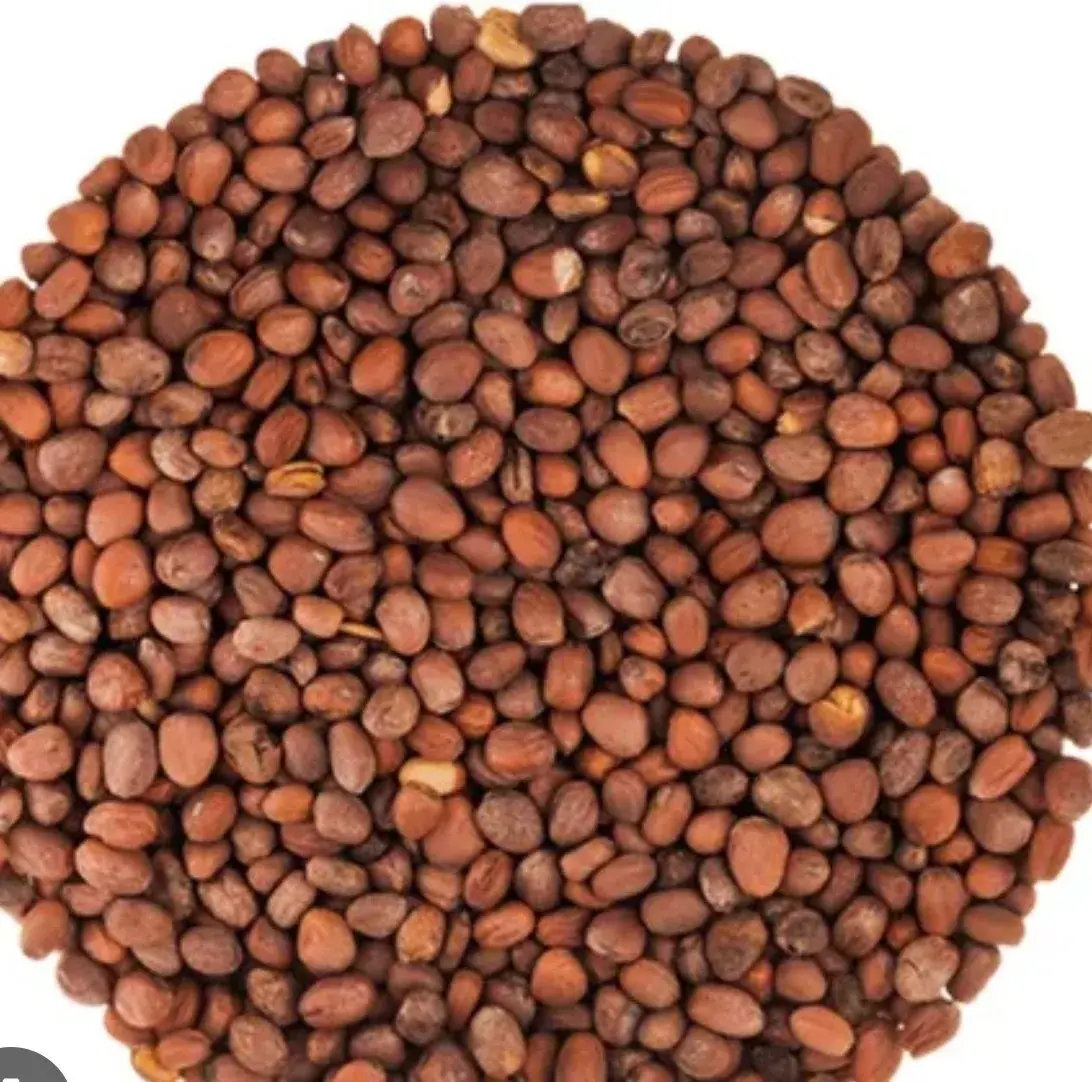
How to Grow White Radish Microgreens at Home | India Guide
Key Takeaways: White radish microgreens are milder and sweeter than red radish, with 95%+ germination and a 6-8 day harvest window. No pre-soaking required. One 100g pack of seeds fills 2-3 standard trays. Rich in vitamins C, B6, folate, and potassium. Available from SAGreens with same-day delivery across Pune.
White radish microgreens are one of the fastest, easiest, and most rewarding microgreens you can grow at home — yet they remain less well-known than their red-radish cousin. Grown from the seeds of the white daikon radish (mooli in Hindi, moolangi in Telugu), these microgreens produce slender pale-green shoots with a crisp, mild, slightly sweet flavour that suits salads, wraps, Indian dal, rice dishes, and continental cooking alike.
In this complete guide, we walk you through everything you need to know about growing white radish microgreens at home in India — from seed selection and tray setup to harvest, storage, and the best ways to use them in your kitchen. This guide is written for Indian home growers and reflects the realities of Indian summers, monsoon humidity, and the year-round growing conditions that define microgreen cultivation in cities like Pune, Mumbai, Bangalore, and Delhi.
What Are White Radish Microgreens?
White radish microgreens are the seedling form of the white daikon radish plant, harvested 6-8 days after germination at the cotyledon stage — just as the first true leaves begin to appear. At this point, the plant has concentrated all the nutrients stored in the seed into its tiny stem and leaves, making it nutritionally dense far beyond what the mature mooli root offers.
Unlike red radish microgreens, which have a sharp, peppery bite and vivid red-purple stems, white radish microgreens are notably milder. Their cotyledons are pale green, their stems creamy-white to light green, and their flavour is best described as a gentle radish whisper — crisp, fresh, faintly sweet, with just a hint of the peppery sharpness that defines the radish family. This makes them considerably more versatile in cooking, particularly for those who find standard radish microgreens too intense.
In India, white radish (mooli) is a beloved winter vegetable — used in parathas, sambhar, salads, and pickles. Growing it as a microgreen brings the same nutritional benefits year-round, in far less space, and without the need for soil beds or months of waiting.
Nutritional Benefits of White Radish Microgreens
White radish microgreens pack impressive nutrition into every small serving. Like all microgreens, they are harvested at the cotyledon stage — the nutritional peak in a plant's life cycle — when vitamins, antioxidants, and phytochemicals are most concentrated.
| Nutrient | Benefit | Indian Relevance |
|---|---|---|
| Vitamin C | Immune support, collagen synthesis | Combat urban pollution oxidative stress |
| Vitamin B6 | Brain health, metabolism | Energy support for active lifestyles |
| Folate | Cell division, DNA synthesis | Essential during pregnancy |
| Potassium | Heart health, blood pressure | Counters high-sodium Indian diets |
| Glucosinolates | Detoxification, anti-cancer | Concentrated in all radish-family plants |
| Anthocyanins | Antioxidant, anti-inflammatory | Especially in the pale stems |
Research on radish microgreens consistently shows elevated levels of vitamin C and glucosinolates compared to mature radish. White radish microgreens specifically contain isothiocyanates — sulphur compounds that support liver detoxification — and are a significant source of folate, which is often under-consumed in urban Indian diets.
Nutrition tip: Eat white radish microgreens raw to preserve vitamin C and glucosinolates. Heat above 70 degrees Celsius deactivates the enzyme (myrosinase) responsible for converting glucosinolates into their active anti-cancer form. A 30-second wilting in hot dishes is fine; prolonged cooking is not.
What You Need to Grow White Radish Microgreens
Before you start, gather these basic supplies — all easily available in Pune and across India:
- Seeds: Organic white radish microgreen seeds (SAGreens sells 100g packs at ₹89, reduced from ₹142)
- Tray: A shallow tray 5-8 cm deep (a standard 10x20-inch nursery tray or any food-grade plastic container works well)
- Growing medium: Cocopeat (coconut coir) — 2-3 cm depth is sufficient. Cocopeat is widely available at nurseries across Pune and India.
- Spray bottle: For gentle, even misting of seeds
- Blackout cover: A second tray placed upside-down on top, or a piece of dark cardboard
- Clean water: Room-temperature tap water is fine; filtered water is better if your tap water is heavily chlorinated
Optional but helpful: a small fan for air circulation (prevents mold in humid conditions), and a thermometer (white radish germinates best between 18-28 degrees Celsius).
Step-by-Step: How to Grow White Radish Microgreens
Step 1: Prepare Your Tray and Growing Medium
Fill your tray with cocopeat to a depth of 2-3 cm. Moisten the cocopeat evenly with water — it should feel damp when you squeeze it but not drip water. Level the surface gently with your hand.
Step 2: Sow the Seeds
White radish seeds do not require pre-soaking — they germinate rapidly from dry sowing, which is one of the most convenient things about this variety.
Scatter seeds evenly over the moist cocopeat surface. Aim for medium-high density — seeds should be close together but not piled on top of each other. For a standard 10x20-inch tray, use approximately 15-20 grams of seeds.
Mist the seeds gently with your spray bottle after sowing. Do not soak them.
Step 3: Blackout Phase (Days 1-3)
Place the second tray (or dark cover) over the seeds to create complete darkness. During this blackout phase, the seeds germinate and the seedlings stretch upward in search of light, developing long, straight stems.
Check once daily by briefly lifting the cover. Mist lightly if the cocopeat surface looks dry. Do not overwater — cocopeat retains moisture well and excessive water causes damping off (stem rot at soil level).
In Indian summer (above 35 degrees Celsius), the germination will be faster — often visible sprouts within 18-24 hours. In cooler winter months or air-conditioned rooms, germination may take 36-48 hours.
Step 4: Light Phase (Days 3-6)
Once the seedlings are 3-5 cm tall with the seed leaves (cotyledons) beginning to unfold, remove the blackout cover and place the tray in a location with bright indirect light. A south-facing or east-facing windowsill is ideal in Indian conditions.
Avoid direct harsh afternoon sun during Indian summers (April-June) — it will wilt the tender seedlings. Morning sun (6am-10am) is excellent.
During the light phase, water from the bottom: pour water into the outer tray and let the growing tray absorb it through holes in the bottom. This keeps the foliage dry and significantly reduces mold risk. If you do not have a drainage tray setup, mist very lightly from above.
Monsoon tip: During Pune's June-September monsoon season, humidity above 80% increases mold risk significantly. Run a small fan near your trays for 2-3 hours daily during this period. Bottom watering is especially important during monsoon.
Step 5: Harvest (Days 6-8)
White radish microgreens are ready to harvest when the cotyledons are fully open and the first true leaves are just beginning to appear. The cotyledons will be pale green to medium green, and the shoots will be 6-10 cm tall.
Harvest with clean scissors, cutting just above the cocopeat surface. Rinse the harvested microgreens gently in cold water, shake dry or spin dry, and use immediately or store refrigerated.
One tray of white radish microgreens typically yields 60-80 grams of fresh shoots.
Growing White Radish Microgreens in Indian Seasons
India's climate varies dramatically by season, and your microgreen grows will behave differently across the year:
| Season | Conditions | What to Watch |
|---|---|---|
| Summer (Mar-Jun) | 32-42°C, dry heat | Faster germination, risk of drying out; water twice daily |
| Monsoon (Jul-Sep) | High humidity, 28-35°C | Mold risk highest; use fan, bottom water only |
| Post-monsoon (Oct-Nov) | Ideal, 24-30°C | Best growing season; standard care applies |
| Winter (Dec-Feb) | 14-24°C, dry | Slower germination (48-60 hrs); reduce watering frequency |
Common Problems and Solutions
| Problem | Cause | Solution |
|---|---|---|
| Seeds not germinating by day 3 | Too dry, too cold, or old seeds | Mist more, move to warmer spot; buy fresh seeds |
| Damping off (stem rot at soil level) | Overwatering + poor air circulation | Reduce watering, add fan, ensure drainage |
| Yellow, leggy shoots | Too little light in the light phase | Move to brighter windowsill; reduce blackout to 2 days |
| Mold on soil surface (white fuzz) | Excess moisture + poor airflow | Remove mold immediately, fan the tray, bottom water only |
| Patchy germination | Uneven seed distribution | Sow seeds more evenly next time; gently thin overcrowded spots |
How to Use White Radish Microgreens in Cooking
White radish microgreens shine as a fresh, raw ingredient. Their mild flavour means they pair well with almost everything:
Indian dishes:
- Sprinkle generously over dal tadka just before serving — the microgreens wilt gently in the steam but retain crunch
- Add to mooli paratha stuffing for concentrated nutrition
- Mix into raita for a fresh, crisp element
- Use as a garnish on khichdi, biryani, and pulao
- Blend into green chutneys for a mild radish note
Continental and fusion:
- Top sandwiches, burgers, and wraps for crunch and freshness
- Add to salads alongside cucumber, tomato, and feta
- Use as a garnish on soups and pasta
- Layer on avocado toast with lemon and black pepper
Chef's tip: White radish microgreens pair beautifully with lemon juice and a pinch of chaat masala as an instant Indian-style microgreen salad. Ready in under two minutes, and a nutritional powerhouse.
Where to Buy White Radish Microgreens Seeds in Pune
SAGreens sells organic white radish microgreen seeds in Pune — sourced from NPOP-certified farms, tested for 95%+ germination, and packaged for Indian storage conditions. Available in 100g packs at ₹89, reduced from ₹142, with same-day delivery across Pune.
Order white radish microgreen seeds from SAGreens — delivered to Keshav Nagar, Koregaon Park, Baner, Hinjewadi, Kothrud, Hadapsar, Viman Nagar, and all major Pune areas. For bulk orders and wholesale pricing, contact SAGreens directly.
If you are new to microgreens, also see our beginner's seed guide for India which covers the 10 best varieties to start with, and our Pune microgreens growing guide for local seasonal tips.
Frequently Asked Questions
Do white radish seeds need soaking before sowing?
No. White radish seeds are small enough to absorb moisture directly from moist cocopeat without soaking. Sow dry seeds directly on a pre-moistened surface. Pre-soaking actually provides no advantage for white radish and can cause the seeds to clump.
How long do white radish microgreens take to grow?
White radish microgreens are typically ready to harvest in 6-8 days from sowing. This makes them one of the fastest microgreens available. In warmer conditions (above 30 degrees Celsius), germination is faster and you may be able to harvest on day 5-6.
What is the difference between white radish and red radish microgreens?
White radish microgreens are milder and slightly sweeter than red radish microgreens. Red radish has a bold peppery bite and vivid red-purple stems; white radish has a gentle radish flavour and pale green stems. Both grow at the same speed and have similar nutritional profiles.
Can I regrow white radish microgreens after harvesting?
No — microgreens are harvested once. Unlike herbs or some sprouts, they do not regrow after cutting. However, one 100g pack of seeds is enough for 2-3 tray cycles, so you can start a new tray immediately after each harvest.
How do I store white radish microgreens after harvesting?
Store harvested microgreens unwashed in an airtight container lined with a slightly damp paper towel in the refrigerator. They will stay fresh for 4-6 days. For best flavour and nutrition, harvest and eat the same day or the following morning.
What growing medium is best for white radish microgreens in India?
Cocopeat (coconut coir) is the best and most widely available growing medium in India. It retains moisture well, drains excess water efficiently, is inert (does not introduce diseases), and is inexpensive. Soil or compost can be used but introduces more risk of fungal problems, especially during Indian monsoon.
Do white radish microgreen seeds need soaking?
No pre-soaking is needed for white radish microgreen seeds. They are small and germinate readily without soaking. Sow dry seeds directly onto pre-moistened cocopeat and mist gently. Pre-soaking small radish seeds causes clumping and makes even spreading difficult.
How much seed do I need per tray for white radish microgreens?
For a standard 20x30cm tray, use 15-20g of white radish seeds. A 100g pack from SAGreens covers 2-3 trays and yields 160-240g of fresh microgreens. At 50g per daily serving, one pack is enough for 3-4 days of microgreens.
Where can I buy white radish microgreen seeds in Pune?
SAGreens sells organic white radish seeds for microgreens in Pune. Available in 100g packs at ₹89, down from ₹142. We offer same-day delivery across all Pune areas including Koregaon Park, Baner, Hinjewadi, Kothrud, and Magarpatta. Contact us on WhatsApp for bulk orders.
Can I grow white radish microgreens in Indian monsoon season?
Yes. White radish microgreens are among the most mould-resistant varieties and grow well during Indian monsoon. Use bottom watering only, ensure good airflow with a small fan, and harvest on day 6 rather than day 8 during high-humidity months. Cocopeat is essential — avoid soil in monsoon.
White Radish Microgreens for Commercial Production
White radish (mooli) microgreens have strong commercial viability in the Indian market — they grow fast, have a consistent appearance, and carry a familiar flavour that works in both traditional Indian cooking and modern health-food menus.
Speed of production. At 6–8 days from sow to harvest, white radish allows commercial growers to run 3–4 complete crop cycles per month. This is among the fastest cycles of any premium microgreen variety, making it highly productive per square foot of growing space.
Yield consistency. White radish germinates reliably (SAGreens seeds are guaranteed 85%+), which means production planning is predictable. Unlike some specialty varieties, radish microgreens do not have significant germination variability in Indian growing conditions.
Commercial demand channels in India. White radish microgreens have demand across several channels:
- Restaurant garnish: white radish provides visual contrast (pale stem, green cotyledon) and a clean peppery note for plated dishes
- Juice bars and health cafes: radish microgreens are pressed into shots alongside wheatgrass and added to detox blends
- Home delivery subscription boxes: white radish is a reliable weekly item in microgreen subscription boxes serving health-conscious consumers in Pune, Mumbai, and Bangalore
Pricing benchmark. Retail white radish microgreens (fresh, harvested) sell for ₹150–300 per 100g in Indian health food markets and ₹200–400 per 100g directly to restaurants. Seed cost from SAGreens is ₹80–120 per 100g, yielding significant margin when germination is reliable.
Growing at scale. For commercial production, the same protocol works at any scale — multiply the tray count, not the method. White radish on 30x60cm trays with 25–30g seed each produces 150–200g of harvest per tray. A 10-tray weekly production requires 250–300g of seed per week and produces 1.5–2kg of fresh microgreens.
Nutritional Value of White Radish Microgreens vs Mature Radish
White radish microgreens have a dramatically higher nutrient density than mature mooli on a per-gram basis. This is consistent with the broader research on microgreens showing 4–40x concentration of certain nutrients at the cotyledon stage compared to mature vegetables.
Key comparative nutrients (per 100g):
| Nutrient | White Radish Microgreen | Mature Mooli |
|---|---|---|
| Vitamin C | 40–80mg | 14mg |
| Folate | 90–120mcg | 25mcg |
| Sulforaphane precursors | High (glucosinolates present) | Low |
| Dietary fibre | 2–3g | 1.6g |
| Iron | 1.5–2.5mg | 0.3mg |
Note: Exact values vary by growing conditions, harvest timing, and seed variety. The glucosinolate content (which converts to sulforaphane and other bioactive compounds) is particularly high in radish microgreens — second only to broccoli among commonly grown varieties.
In Indian dietary context. White radish is a routine part of the Indian diet in its mature form — in mooli paratha, mooli sabzi, and as a salad addition. The microgreen form concentrates these nutrients in a format that can be eaten raw, preserving heat-sensitive vitamins that are lost when mature mooli is cooked.
Expanding Your Radish Microgreen Range
White radish (mooli) is one of four radish microgreen varieties SAGreens supplies. Once you are comfortable growing white radish, the other varieties grow with identical technique:
Daikon radish — milder flavour than white radish, slightly longer stem, popular for garnish applications.
Purple sango radish — deep purple cotyledons with striking visual impact. The highest-value radish microgreen for restaurant plating. Same growing protocol, 7–9 days cycle.
Chinese pink radish — pale pink stems with green cotyledons, milder flavour, excellent for mixed microgreen trays for visual variety.
All four radish varieties can be grown simultaneously in adjacent trays using the same equipment, same water protocol, and same environmental requirements.
Frequently Asked Questions About White Radish Microgreens
Can I grow white radish microgreens in a small apartment in India?
Yes. White radish microgreens require minimal space — a 30x30cm tray on a kitchen counter or windowsill is sufficient. No grow lights are needed in most Indian homes with access to natural light. One tray produces approximately 150–200g of fresh microgreens — enough for 3–5 family servings.
How often can I grow white radish microgreens?
White radish cycles in 6–8 days from sow to harvest. You can start a new tray every week and maintain a continuous supply. Two trays staggered by 3–4 days gives a harvest approximately every 3 days.
Can white radish microgreens replace mature mooli in recipes?
In raw applications — salads, raita, garnish, chutney — white radish microgreens are a direct flavour-compatible substitute. For cooked applications (paratha stuffing, sabzi), the microgreens wilt too quickly and mature mooli is more appropriate.
How do I get the crunchiest white radish microgreens?
Harvest in the morning when stems are most turgid. Refrigerate unwashed in a sealed container for 2–4 hours before serving. The stems are at their most crunchy when cold-shocked briefly before plating.
Do white radish microgreens taste the same as purple sango radish microgreens?
Both have the characteristic radish peppery note, but purple sango is slightly more intense and pungent. White radish is milder and more versatile for mixing into dishes where a subtle radish flavour is preferred over an assertive one.
Pricing: SAGreens seeds — ₹89/100g (was ₹142, 37% off). Delivery charged at checkout. NPOP-certified organic, 90–95% germination. Order online or WhatsApp for bulk rates.
About SAGreens
SAGreens is a Pune-based microgreens farm and seed supplier run by Ajay Toradmal — representing the three-generation farming family — a third-generation farming family in Maharashtra with deep roots in Indian agriculture. We grow and supply fresh microgreens and NPOP-certified seeds for home growers, restaurants, and health professionals across Pune and India.
Our complete seed range includes white radish, red radish, broccoli, mustard, pea shoots, coriander, fenugreek, wheatgrass, basil, Swiss chard, and more — all tested for Indian growing conditions. Browse our microgreens blog for growing guides, nutritional research, and seasonal tips specific to Indian kitchens and climates.
Related Reading
Fresh Tips & Exclusive Offers
Subscribe for growing tips, seasonal updates, and exclusive offers on fresh organic microgreens in Pune.