How to Grow Basil Microgreens at Home | Complete India Guide
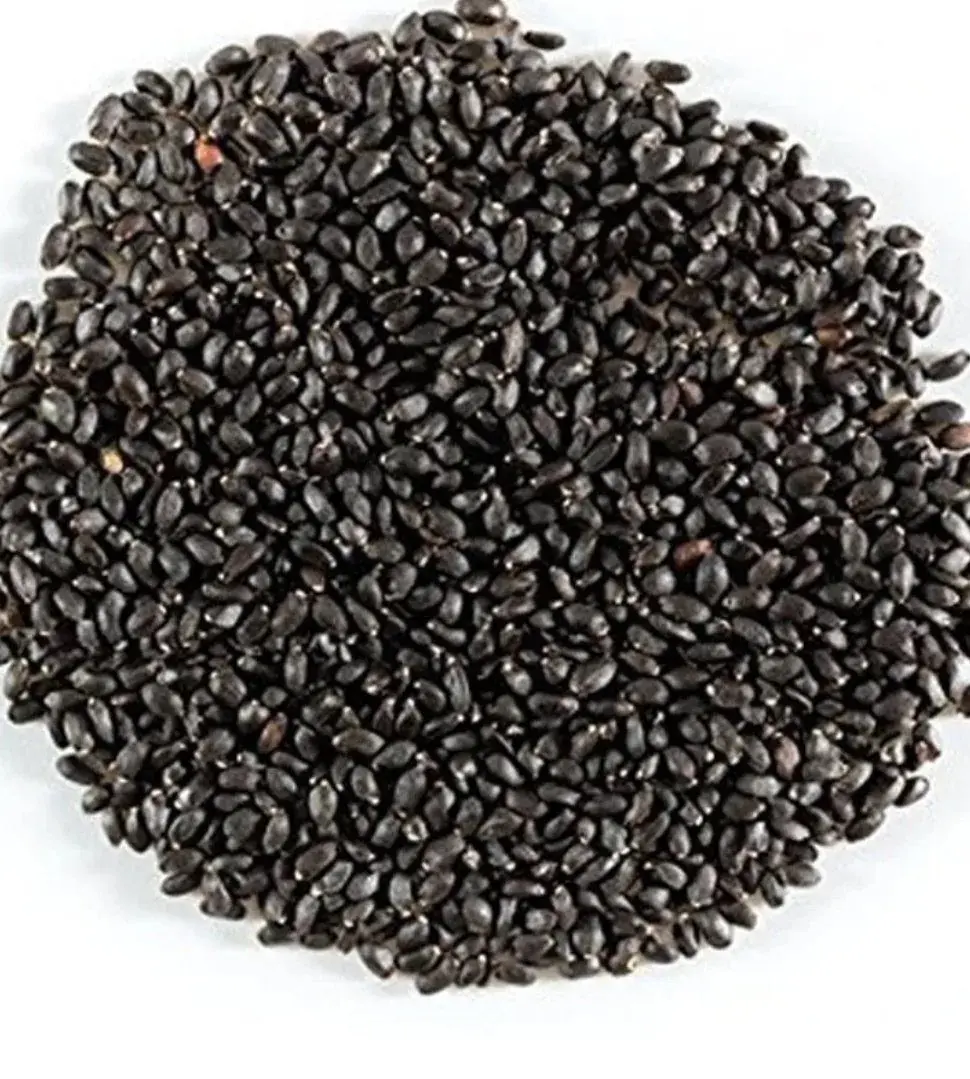
How to Grow Basil Microgreens at Home | Complete India Guide
Key Takeaways: Basil microgreens have a more intense aroma than mature basil leaves. 85%+ germination. Harvest in 10-14 days. Do NOT pre-soak — basil seeds form a gel coat when wet. Rich in eugenol, vitamin K, and anti-inflammatory compounds. Available from SAGreens Pune in 100g packs at ₹178.
Basil microgreens are for anyone who loves the heady, sweet-spicy aroma of fresh basil but wants more of it, faster, and in a more concentrated form. Grown from the seeds of Ocimum basilicum — the same sweet basil used in Italian pesto, Thai cuisine, and increasingly in modern Indian cooking — basil microgreens deliver that iconic fragrance in tender, delicate shoots ready in just 10-14 days.
For Indian home growers, basil represents a genuinely exciting microgreen variety. Basil (tulsi's milder cousin, sometimes called western basil or videshi tulsi in some regions) has been gaining popularity in Indian kitchens over the past decade — in pasta, pizza, bruschetta, and increasingly in Indian fusion dishes. Growing it as a microgreen gives you a year-round supply that takes up no more space than a single dinner plate.
What Are Basil Microgreens?
Basil microgreens are the cotyledon-stage seedlings of sweet basil, harvested 10-14 days after germination. At this stage, the tiny plants have developed their first leaves — small, oval, and already intensely aromatic. The characteristic basil fragrance (linalool and eugenol are the primary volatile compounds responsible) is, if anything, more concentrated per gram in the microgreen than in mature basil leaves.
The appearance of basil microgreens varies slightly by variety. Sweet basil microgreens produce pale green cotyledons with slightly purple-tinged stems. Purple basil varieties, sometimes available as seeds, produce darker foliage. The variety most commonly grown for microgreens in India is sweet green basil.
Importantly: basil microgreens look and behave differently from other microgreens you may have grown. They are more delicate, more temperature-sensitive, and require special care at the sowing stage (no pre-soaking — explained below). Understanding these differences is the key to a successful basil microgreen grow.
Nutritional Benefits of Basil Microgreens
Basil microgreens are notable for their phytochemical content alongside standard vitamins and minerals:
| Compound | Benefit |
|---|---|
| Eugenol | Anti-inflammatory; analgesic properties; antibacterial |
| Linalool | Anxiolytic (calming); antimicrobial; the primary basil fragrance compound |
| Vitamin K | Blood clotting; bone health; often under-consumed in Indian diets |
| Vitamin A | Eye health; immune support; skin health |
| Flavonoids (orientin, vicenin) | Antioxidant; cardiovascular protective |
| Beta-carotene | Eye health; antioxidant; converts to vitamin A in the body |
Research published in food chemistry journals shows that basil microgreens contain significantly higher concentrations of eugenol and linalool than mature basil leaves — making them a more potent source of basil's anti-inflammatory and antimicrobial properties. For individuals dealing with chronic low-grade inflammation (highly prevalent in urban India due to air pollution, processed food diets, and sedentary work), basil microgreens are a practical, food-based anti-inflammatory addition.
Ayurvedic connection: Eugenol is also the primary active compound in cloves (laung), one of Ayurveda's most prized medicinal spices. Basil's eugenol content connects it to a long Indian tradition of using aromatic plants medicinally — basil microgreens bring this compound in a fresh, bioavailable, easy-to-eat form.
The Critical Rule: Never Pre-Soak Basil Seeds
This is the most important thing to know about growing basil microgreens, and the mistake that catches most first-time growers. Do not soak basil seeds in water before sowing.
Basil seeds have a unique property: when they come into contact with water, they form a thick, transparent gel coating (a mucilage) around each seed within seconds. This is why sabja (sweet basil seeds) are used in falooda — they swell in water to form the little tapioca-like bubbles. This property is charming in drinks but catastrophic for microgreen sowing: wet seeds clump into an unworkable, uneven mass that produces patchy, mold-prone germination.
Sow basil seeds dry. Let the moisture in the cocopeat do the work. Your germination will be far better.
Step-by-Step: How to Grow Basil Microgreens
What You Need
- SAGreens Organic Basil Seeds (100g, ₹178)
- Shallow tray, 2-3 cm cocopeat, spray bottle, blackout cover
- Optional: small fan for humidity management
Step 1: Prepare the Tray
Fill tray with 2 cm of cocopeat. Moisten evenly — damp but not wet. Level the surface gently.
Step 2: Sow Seeds Dry — Lightly
Basil seeds are small. Sow them lightly and evenly — a thinner sowing than you would use for radish or mustard. Overcrowding is a major cause of mold in basil microgreens because the seed gel traps moisture between seeds. For a 10x20-inch tray, use 5-8 grams of seed.
Do not mist after sowing. Let the cocopeat moisture do the work.
Step 3: Blackout Phase — Days 1-4
Basil germinates slowly compared to radish — expect visible sprouts only on day 3-5. Keep in blackout for 3-4 days. Check once daily; mist the cocopeat surface (not the seeds directly) very lightly if it looks dry.
Germination at temperatures below 20 degrees Celsius will be slow and patchy. Basil is a warm-season plant. If growing in an Indian winter or a heavily air-conditioned room, place trays in the warmest spot available — near a heat source or in a sunny spot during the day.
Step 4: Light Phase — Days 4-10
Move to indirect bright light when seedlings are 2-3 cm with cotyledons beginning to unfurl. Basil seedlings are delicate — avoid strong direct sun. A north-east or east-facing window in Indian conditions is ideal.
Water by very light misting from above or from the bottom. Basil is prone to damping off (a fungal stem rot) if overwatered. Err on the side of less water.
The fragrance increases noticeably during the light phase — you will smell the basil aroma strengthening daily. This is a good sign.
Step 5: Harvest — Days 10-14
Harvest when cotyledons are fully open and the characteristic basil aroma is at its peak. For sweet basil, this is typically day 10-14. Harvest in the morning when the aromatic compounds are most concentrated (before the midday heat dissipates them).
Cut with clean scissors above the cocopeat. Rinse gently and use immediately for the strongest aroma and flavour.
Harvest tip: Basil microgreens lose their fragrance faster after harvest than other varieties. Unlike radish microgreens which stay crisp in the fridge for 5-6 days, basil microgreens are best within 2-3 days of harvest. For maximum aroma, harvest and use the same day.
Growing Basil Microgreens Through Indian Seasons
| Season | Challenge | Adaptation |
|---|---|---|
| Summer (Mar-Jun) | Excellent germination; risk of overheating post-day 7 | Keep out of direct afternoon sun; water morning only |
| Monsoon (Jul-Sep) | Very high mold risk due to humidity + 14-day grow window | Fan essential; minimal watering; ensure drainage |
| Post-monsoon (Oct-Nov) | Ideal conditions | Standard care |
| Winter (Dec-Feb) | Slow germination (day 5-7); possible temperature issues | Warmest indoor spot; cover tray for insulation |
How to Use Basil Microgreens in the Kitchen
Basil microgreens are most powerful as a raw finishing ingredient:
Italian and continental:
- Stir into pasta sauces immediately before serving (off the heat)
- Layer in caprese salad with mozzarella and tomato
- Add to pizza after baking (not before)
- Blend into pesto as a partial substitution for mature basil
- Use on bruschetta and crostini
Indian and fusion:
- Garnish on tomato-based curries — the eugenol in basil complements Indian tomato gravies naturally
- Add to chaats for a European-Indian fusion note
- Blend into chutneys with mint and coriander microgreens for a complex sauce
- Use as a garnish on creamy soups like tomato shorba
Beverages:
- Muddle into lemonades and mocktails
- Add to summer coolers with cucumber water
See our guide on how to use microgreens in Indian cooking for more ideas. Also explore coriander microgreens seeds as a partner variety for Indian herb microgreen combinations.
Where to Buy Basil Seeds for Microgreens in Pune
SAGreens supplies organic basil seeds in Pune — 100g packs at ₹178 with same-day delivery across Pune. Order organic basil seeds from SAGreens here.
For wholesale and commercial quantities, contact SAGreens directly. Also explore our complete seed range for other herb and vegetable microgreen varieties.
Frequently Asked Questions
Why did my basil seeds not germinate?
The most common cause is temperature — basil needs warmth (above 20 degrees Celsius) to germinate reliably. In Indian winters or air-conditioned rooms, place trays in the warmest available spot. The second most common cause is using wet or clumped seeds from accidental pre-soaking. Always sow dry.
Why do my basil microgreens have mold?
Mold in basil microgreens is almost always caused by excessive moisture combined with the 10-14 day growing window. Use only 2 cm of cocopeat, ensure drainage, switch to bottom watering on day 4, and run a fan if humidity is above 70%. Remove any visible mold immediately.
Can I grow basil microgreens in an Indian summer?
Yes. Basil is a warm-season plant and actually germinates faster in Indian summer heat. The challenge is protecting the seedlings from harsh direct afternoon sun after day 4 — keep them in bright but indirect light. Water in the morning rather than evening to reduce overnight humidity.
How many grams of basil seeds do I need per tray?
5-8 grams per 10x20-inch tray. Basil requires a lighter sowing density than most microgreens — overcrowding causes mold due to the seed gel trapping moisture between seeds.
Are basil microgreens the same as tulsi microgreens?
No. Sweet basil (Ocimum basilicum) is different from holy basil / tulsi (Ocimum tenuiflorum). Basil microgreens have the classic sweet Italian basil aroma; tulsi microgreens would have a clove-like, medicinal fragrance. SAGreens sells sweet basil seeds for microgreens.
Why are basil microgreens considered advanced to grow?
Basil seeds form a gel-like mucilage coating when wet, which makes them stick together and grow unevenly if not handled correctly. Standard top-spray watering causes seed displacement. Basil requires the bottom-watering technique from Day 1, pre-moistened cocopeat, and dry-sowing without any misting on the seeds directly. Once you master these techniques, basil microgreens are very rewarding.
How long do basil microgreens take to grow?
Basil microgreens take 10-14 days from sowing to harvest — one of the slower microgreen varieties. Germination takes 3-5 days in the blackout phase. The light phase (days 5-14) is when the distinctive basil aroma and flavour develop. Harvest at the cotyledon stage before the first true leaves appear for best flavour concentration.
What temperature is best for growing basil microgreens in India?
Basil microgreens prefer warm temperatures of 24-30 degrees Celsius — making them ideal for Indian climate. They are the only common microgreen variety that actively benefits from Indian summer heat. Avoid temperatures below 18 degrees Celsius, which cause slow germination and yellowing. Winter growing (below 20 degrees) requires placing trays in the warmest spot in the home.
Can I use grocery store tulsi seeds for basil microgreens?
No. Tulsi (Ocimum tenuiflorum) is a different species from culinary basil (Ocimum basilicum) used for microgreens. Tulsi seeds can be grown as microgreens but produce a very different flavour — medicinal and pungent rather than the sweet aromatic basil flavour used in Italian cuisine and salads. For basil microgreens, use seeds specifically sold as sweet basil or basil microgreen seeds.
Where can I buy basil microgreen seeds in Pune?
SAGreens sells organic basil seeds for microgreens in Pune. Available in 100g packs at ₹178. We offer same-day delivery across all Pune areas. Basil seeds are a specialty item — contact us for availability and bulk restaurant supply quantities.
Basil Microgreens vs Mature Basil: Nutritional and Culinary Comparison
Basil microgreens are not simply small basil plants — they are a nutritionally distinct product from mature basil, with some nutrients present in higher concentrations and the flavour chemistry subtly different.
Vitamin K. Basil microgreens contain significantly higher vitamin K per gram than mature basil. Vitamin K is involved in blood clotting and bone metabolism. For most Indian diets, vitamin K intake is adequate through leafy green vegetables, but basil microgreens are a particularly concentrated source.
Essential oils and flavour compounds. The flavour of basil microgreens comes from the same family of essential oils as mature basil — primarily linalool, estragole, and eugenol. The concentration of these compounds differs between the microgreen and mature plant stages, which is why basil microgreens have a slightly sweeter, more delicate flavour than mature basil. Both are pleasant; they are complements rather than direct substitutes.
Antioxidant status. The anthocyanins and flavonoids in basil — including rosmarinic acid, which is well-studied for anti-inflammatory properties — are present in concentrated form in the microgreen. Rosmarinic acid is of research interest for its antioxidant, anti-inflammatory, and antimicrobial properties.
In Indian kitchen context. Mature sweet basil is not traditionally central to Indian cooking (tulsi, the holy basil, is culturally significant but used differently). Sweet basil microgreens are most naturally positioned as a premium garnish for Italian-style dishes, fusion cooking, salads, and cold preparations. Their use in Indian cooking is growing as the restaurant sector adopts global food culture.
Troubleshooting Basil Microgreens in Indian Conditions
Basil is the most technically demanding microgreen for Indian home growers. These are the specific problems that Indian growers encounter and how to solve them.
Problem: Seeds develop a slimy gel coating and do not germinate.
Cause: Basil seeds produce a natural mucilaginous coating when wet — this is normal and is not mould. However, overwatering causes the gel to impede oxygen reaching the seed.
Solution: Never pre-soak basil seeds. Mist the growing medium lightly before sowing, sow dry seeds directly onto the surface, press gently, mist the top once more, and cover. Do not water again until you see seeds starting to germinate (typically 36–48 hours).
Problem: Basil seeds germinate unevenly — some patches thick, others bare.
Cause: Basil seeds are very light and fine; air currents during sowing cause uneven distribution.
Solution: Sow indoors with no fan running. Use a seed shaker or pinch-sow in overlapping rows across the tray. Press seeds gently into contact with the growing medium after distribution.
Problem: Basil microgreens are growing very slowly — taking 15+ days.
Cause: Ambient temperature below 22°C. Basil is a tropical plant and requires warmth to germinate and grow.
Solution: In cooler months (December–February in most of India), provide bottom heat by placing the tray on top of the refrigerator or another warm surface. AC rooms set below 22°C will significantly slow basil germination.
Problem: Leggy, pale stems with small cotyledons.
Cause: Insufficient light during the growth phase.
Solution: Move trays to the brightest available location — south-facing windowsill in winter, indirect bright light in summer. Basil needs significantly more light than most microgreens.
Problem: Damping off (stems collapsing at the base).
Cause: Excess moisture at the growing medium surface combined with poor airflow.
Solution: Never mist from above after germination. Bottom water only. Ensure the room has natural ventilation or run a fan at very low speed.
Commercial Basil Microgreens in India
Basil microgreens occupy a premium niche in India's commercial microgreen market — they are the most requested specialty variety among fine dining restaurants, boutique hotels, and Italian restaurant kitchens.
Restaurant demand. Italian restaurants, modern European kitchens, and fusion dining operations across Mumbai, Delhi, Bengaluru, and Hyderabad use basil microgreens as a garnish for pasta, pizza, risotto, and salad compositions. The longer production cycle (14–18 days) and higher technical difficulty support premium pricing.
Hotel and resort sourcing. Five-star hotel F&B operations value basil microgreens for the visual impact of the full-cotyledon presentation and the aromatic intensity on contact. Chefs in these kitchens prefer the microgreen over mature basil leaves for plating where the visual element matters as much as flavour.
Bakery and specialty cafe applications. Specialty cafes and artisan bakeries incorporate basil microgreens into avocado toast, caprese-style offerings, and grain bowls. This segment is growing rapidly in Indian metro cities.
Pricing benchmark. Fresh basil microgreens retail at ₹300–600 per 100g in Indian health food markets and command ₹400–800 per 100g when sold directly to restaurant accounts. Seed cost from SAGreens at ₹150–200 per 100g makes this variety economically attractive for growers who can manage the technical requirements.
Expanding from Basil to Other Herb Microgreens
Once comfortable with basil microgreens — the most technically demanding herb variety — other herb microgreens are straightforward:
Coriander microgreens — familiar in Indian cooking, 12–14 day cycle, mist-sow like basil but with a light pre-soak (4 hours). Cool season preferred.
Fenugreek (methi) microgreens — our organic fenugreek seeds are among the easiest microgreens to grow. 8–10 days, simple soak-and-sow protocol, culturally familiar flavour.
Sunflower microgreens — organic sunflower seeds produce large, robust microgreens in 8–10 days. The technical requirements are straightforward compared to basil.
Growing basil alongside these varieties in a home setup creates a continuous supply of fresh herbs at different flavour profiles — peppery (radish, mustard), earthy (fenugreek), citrus-herb (coriander), and floral-sweet (basil).
Frequently Asked Questions About Basil Microgreens
Can I grow basil microgreens from grocery store basil seeds?
No. Seeds sold for culinary use are often irradiated or otherwise treated to prevent sprouting, and they may not be the correct variety for microgreen production. Always source seeds specifically tested for microgreen germination rates. SAGreens basil seeds are tested for 85%+ germination in microgreen growing conditions.
Can I use the basil microgreens I grow to collect seeds for the next crop?
Microgreens are harvested at the cotyledon stage — long before the plant produces flowers or seeds. So no, you cannot collect seeds from microgreens. Each production cycle requires fresh seeds.
Are basil microgreens and tulsi (holy basil) the same?
No. SAGreens supplies sweet basil (Ocimum basilicum) seeds for microgreens — the Italian kitchen basil with its characteristic sweet, floral aroma. Tulsi (Ocimum tenuiflorum) is a different species with a clove-like, medicinal fragrance. Both are from the same genus (Ocimum) but are distinct in flavour and culinary application.
Why do basil seeds feel slimy when wet?
Basil seeds produce a natural mucilage coating when they come into contact with water — the same property used in sabja (sweet basil seeds) in Indian dessert drinks like falooda. This is a natural seed characteristic and not an indication of bad seed quality. For microgreens, it is the reason basil seeds should never be pre-soaked — the gel coating is fine in a mist-sow approach but problematic when seeds are submerged.
How do I prevent basil microgreens from wilting after harvest?
Harvest in the morning. Do not wash until just before serving. Store in a sealed container with a dry paper towel to absorb condensation. Refrigerate immediately. Basil microgreens are more sensitive to cold than radish or broccoli microgreens — store at 10–15°C rather than 4°C if possible.
Pricing: SAGreens seeds — ₹178/100g (MRP ₹198, 10% off). Delivery charged at checkout. NPOP-certified organic, 90–95% germination. Order online or WhatsApp for bulk rates.
About SAGreens
SAGreens is Pune's leading microgreens farm and seed supplier, run by Ajay Toradmal — representing the three-generation farming family — a third-generation Maharashtra farming family. We stock a wide range of NPOP-certified microgreen seeds including basil, coriander, fenugreek, broccoli, and radish varieties, all tested for Indian growing conditions. Browse our full seed range or explore our blog for growing guides and nutritional research.
Quick tip for Indian growers: Basil microgreens are most successfully grown October to February in India without temperature control. For summer growing (March-June), grow in a cool, shaded room or AC environment and reduce watering slightly to prevent damping-off in the heat. Harvest at day 10-12, just as the first true leaf begins to emerge, for the sweetest aroma and most intense basil flavour. Store unwashed in an airtight container in the refrigerator for 4-5 days.
Related Reading
Fresh Tips & Exclusive Offers
Subscribe for growing tips, seasonal updates, and exclusive offers on fresh organic microgreens in Pune.