Microgreens Kerala Growing Guide | Tropical Climate Tips
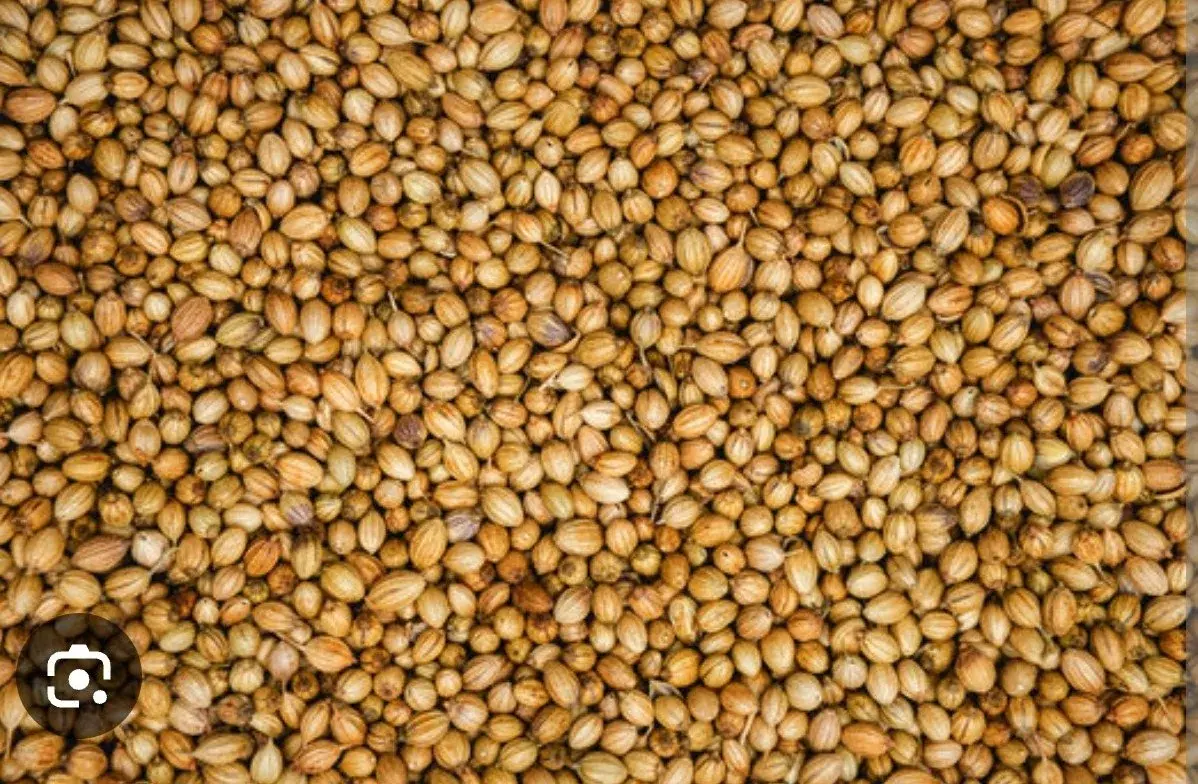
Kerala is one of the best places in India to grow microgreens at home. The warm year-round temperatures, abundant diffuse light, and local availability of coco peat (coconut husk fibre) create natural advantages for growing 7-to-14-day crops on your balcony or kitchen windowsill.
This guide covers everything Kerala-specific about growing microgreens: which varieties perform best in Kerala's tropical climate, how to manage the humidity challenge, a month-by-month growing calendar, step-by-step growing instructions tailored to Kerala conditions, and how to integrate fresh microgreens into Kerala's rich culinary traditions.
Key Takeaways: Growing microgreens in Kerala requires choosing humidity-tolerant varieties (radish, sunflower, mustard) for the monsoon months and managing watering through bottom-tray technique only. Kerala's 24–34°C year-round warmth accelerates germination to 1–3 days. Coco peat — widely available locally across Kerala — is the ideal growing medium. First harvest is typically 7–10 days for fast varieties. SAGreens delivers organic microgreen seeds to Kochi, Thiruvananthapuram, Kozhikode, and all Kerala cities.
Kerala's Climate Profile for Microgreen Growing
Understanding Kerala's climate is the first step to growing microgreens successfully here. Kerala has a tropical monsoon climate with four identifiable growing phases:
Pre-Monsoon (March–May). The hottest period, with afternoon temperatures reaching 35–38°C in interior districts. Morning temperatures of 26–30°C are ideal for germination. Grow trays on covered balconies away from direct afternoon sun.
Southwest Monsoon (June–September). Kerala's famous monsoon, beginning with the Malabar coast rains in early June. Humidity reaches 90–95%. For indoor microgreen growers, this is manageable — the challenge is mould, solved by bottom watering and ventilation. Temperatures drop to a more comfortable 24–28°C during the monsoon.
Northeast Monsoon (October–November). Affects Kerala's central and southern districts with moderate rainfall and humidity around 75–80%. This is the best microgreens growing window in Kerala — comfortable temperatures, moderate humidity, good light.
Winter (December–February). Kerala's winters are mild — temperatures of 22–28°C with humidity around 65–70%. The coolest, driest period of the year. Pea shoots, coriander, and broccoli microgreens perform exceptionally well.
Kerala's year-round growing window is a significant advantage over most other Indian cities. While Delhi and Pune growers struggle with cold-slowed germination in December–February, Kerala growers maintain full growing speed throughout the year.
Kerala Growing Calendar
| Month | Best Varieties | Varieties to Avoid | Notes |
|---|---|---|---|
| January | Pea shoot, coriander, broccoli, sunflower | None | Excellent conditions across the board |
| February | All varieties | None | Ideal conditions for first-time growers |
| March | Sunflower, radish, mustard, fenugreek | Pea shoot | Pre-monsoon heat; avoid direct sun |
| April | Radish, mustard, sunflower | Pea shoot | Peak heat; use shaded location |
| May | Radish, mustard | Pea shoot, coriander | Hottest month; fast varieties only |
| June | Radish, sunflower, mustard | Coriander, pea shoot | Monsoon begins; maximise ventilation |
| July | Radish, mustard | All slow varieties | High humidity; bottom water strictly |
| August | Radish, sunflower, mustard | Coriander | Monsoon peak; fast varieties only |
| September | Radish, sunflower, fenugreek | Pea shoot | Monsoon receding; expanding variety choice |
| October | All varieties | None | Post-monsoon ideal window |
| November | All varieties | None | Best growing month of the year in Kerala |
| December | Pea shoot, coriander, broccoli, all | None | Cool and clear; excellent for all varieties |
What You Need to Grow Microgreens in Kerala
Equipment
- Trays: Two shallow plastic trays of the same size — one as the growing tray, one as the water reservoir below
- Growing medium: Coco peat (thengu pith / kokopit) — available at nurseries in all Kerala cities; buy compressed bricks that expand to 6–10 litres with water
- Seeds: NPOP-certified organic microgreen seeds from SAGreens seed range
- Scissors: For harvest
- A spray bottle: For moistening the medium before sowing only — never for watering the canopy during growth
Coco Peat Sourcing in Kerala
- Kochi: Agricultural supply shops in Ernakulam town, Kaloor, Edapally
- Thiruvananthapuram: Nurseries in Peroorkada, Vattiyoorkavu, Nalanchira
- Kozhikode: Agricultural shops near Mavoor Road and Perambra
- Thrissur: Nurseries in Punkunnam and Ayyanthole
Expand coco peat bricks 24 hours before use and allow to drain completely before sowing. One brick is sufficient for 4–6 growing trays.
Step-by-Step Growing Guide for Kerala Conditions
Step 1 – Choose Your Variety
For your first grow in Kerala, start with sunflower or radish. Both germinate quickly — establishing the canopy before mould can develop — and produce satisfying harvests within 7–10 days. For the complete variety comparison see our Kerala microgreen seeds guide.
Step 2 – Soak the Seeds
Most seeds benefit from pre-soaking in room-temperature water:
- Sunflower: soak 8–12 hours
- Radish: soak 4–6 hours
- Fenugreek: soak 6–8 hours
- Pea shoot: soak 8–12 hours
- Mustard, broccoli, coriander: no soaking required
After soaking, drain and rinse once before sowing.
Step 3 – Prepare the Growing Medium
Add 1.5 inches of expanded, drained coco peat to the growing tray. The medium should be evenly moist — squeeze a handful and it should clump but not drip. In Kerala, err slightly drier than standard guides recommend (hold back 10% of usual water amount) to reduce mould risk during humid months.
Step 4 – Sow the Seeds
Spread pre-soaked seeds in an even single layer across the growing medium. For Kerala's humidity, sow at 80% of the density recommended on the seed packet — slightly more spacing improves airflow between seedlings and reduces mould pressure. Gently press seeds into the medium with the back of a second tray to improve seed-medium contact.
Step 5 – Blackout Phase
Cover the sowing tray with the second tray inverted. Store in a warm, dark location — a kitchen shelf, inside a cupboard, or under a table.
Kerala-specific note. Due to Kerala's warmth, check the tray after 36–48 hours. Most varieties will have germinated and begun pushing up against the cover tray. Do not leave in the blackout phase longer than necessary — excess blackout time increases mould risk in humid conditions.
Step 6 – Bottom Watering (Critical for Kerala)
This is the most important adaptation for Kerala growers. During the blackout phase and throughout the entire growth period, water exclusively by bottom watering:
- Lift the growing tray
- Pour 100–150ml of water into the reservoir tray below
- Place the growing tray back on top
- The coco peat absorbs moisture from below through capillary action
Never spray water on the canopy. In Kerala's humidity, wet foliage creates conditions for damping-off (fungal rot at the stem base) and grey mould. Bottom watering eliminates these problems by keeping the foliage dry.
The transition from top-spray watering to bottom-tray watering typically eliminates 90% of the mould problems that Kerala growers experience. It requires no additional equipment — just a second tray of the same dimensions.
Step 7 – Light Phase
Once seedlings are 2–3 cm tall (typically 2–4 days after germination), remove the cover tray and move to an indirect-light location:
- North-facing window — consistent indirect light throughout the day
- East-facing window — gentle morning sun, indirect afternoon light
- Covered balcony — protected from direct rain, open to ambient daylight
- Under a LED panel in a windowless kitchen (12–14 hours per day)
Avoid placing trays in direct afternoon sun (south or west exposure) during March–September. The intensity can wilt seedlings at Kerala's peak heat.
Step 8 – Harvest
Harvest when the cotyledons (seed leaves) are fully open and the tray shows a dense green canopy. Use clean scissors to cut just above the growing medium. Harvest in the morning when seedlings are most crisp.
Yields in Kerala. Kerala's warmth produces vigorous growth. A 6x6-inch tray yields 80–120g of fresh microgreens per harvest. A standard 10x20-inch tray yields 200–350g.
After harvest. Rinse gently in cool water. Dry as thoroughly as possible before storing in an airtight container in the refrigerator. Most microgreens stay fresh 4–6 days refrigerated.
Mould Prevention Protocol for Kerala
Mould is the primary challenge for Kerala microgreen growers. Here is the complete prevention protocol:
Ventilation first. Grow in a location with natural air movement — near an open window or with a ceiling fan at low speed. Stagnant air is the primary driver of mould growth.
Bottom watering exclusively. As described above — never wet the canopy.
Lower sowing density. Sow at 80% of standard density during June–September. More space between seeds means better airflow.
Fresh medium for each grow. Do not reuse growing medium between grows. Old coco peat retains spores from the previous grow.
Harvest promptly. Harvest at the cotyledon stage. Delayed harvests increase mould susceptibility.
Separate mouldy trays immediately. If grey mould appears on one tray, move it away from other growing trays to prevent spore spread.
If mould appears despite these precautions, the most common cause is insufficient ventilation rather than watering technique. Try moving the tray to a location with more airflow before changing anything else.
Common Mistakes Kerala Growers Make
Over-watering from the top. The single most common cause of failed Kerala grows. Switch to bottom watering and most problems disappear.
Using too much medium moisture. In humid conditions, the coco peat retains moisture longer than in dry climates. Start with a slightly drier medium and increase if seedlings show stress.
Leaving in blackout too long. Kerala's warmth accelerates germination. Check after 36 hours, not 72.
Placing trays in direct afternoon sun. East-facing morning light is ideal. West and south-facing afternoon exposure in May can reach temperatures that stress seedlings severely.
Using treated agricultural seeds. Seeds from local agricultural shops may be fungicide-treated. Always verify seeds are food-safe and untreated before growing microgreens for consumption.
Kerala Kitchen: Integrating Microgreens into Traditional Recipes
On rice (choru/sadya). Fresh radish or sunflower microgreens scattered over plain rice provide texture and fresh contrast to rich Kerala curries. During Onam sadya, microgreens work as a fresh garnish on the banana leaf.
In kanji (rice porridge). Morning kanji is a traditional Kerala breakfast. Fenugreek (uluva) microgreens stirred in at serving add warmth, nutrition, and a familiar bitter note.
On fish curry (meen curry). A few sprigs of radish or coriander microgreens floated on the surface of Kerala-style red fish curry add a fresh visual element and balance the rich coconut and spice profile.
In coconut milk smoothies. Kerala's urban health community has embraced morning green juices. Broccoli, pea shoot, or sunflower microgreens blend easily into coconut water-based smoothies — a distinctly Kerala variation.
In puttu and appam. Chopped sunflower or pea shoot microgreens mixed into puttu or idiyappam batter before steaming add hidden nutrition without changing the familiar texture.
Microgreen Seed Sourcing for Kerala Growers
Buy seeds from SAGreens — NPOP-certified, untreated, food-safe, with germination guarantees printed on each pack. Delivery to all Kerala districts.
Key varieties for Kerala:
- Organic Sunflower Seeds (100g) – ₹124
- Organic Radish Seeds (100g) – ₹120
- Organic Fenugreek Seeds (100g) – ₹69
- Organic Mustard Seeds (100g) – ₹124
- Organic Broccoli Seeds (20g) – ₹200
- Organic Pea Shoot Seeds (100g) – ₹88
Browse the complete range: all microgreen seeds.
Frequently Asked Questions
Can I grow microgreens in Kerala throughout the year?
Yes. Kerala's year-round warmth makes year-round growing possible. The variety choice changes by season — fast-growing varieties (radish, sunflower, mustard) are best during the Southwest Monsoon (June–September), while all varieties perform well October–February. See the growing calendar above for month-by-month guidance.
What growing medium works best for Kerala's humidity?
Coco peat is the recommended growing medium for Kerala. It is widely available locally, naturally resistant to compaction in humid conditions, its neutral pH suits all common microgreen varieties, and it drains well to reduce mould risk compared to regular potting soil.
How often should I water microgreens in Kerala?
Water every 1–2 days using the bottom-watering method. Pour 100–150ml into the reservoir tray below the growing tray. During cooler months (December–February), water every 2 days. During pre-monsoon (March–May), check the medium each morning and water daily.
When do I know it is time to harvest?
Harvest when the cotyledons (first pair of seed leaves) are fully open and standing upright. At this stage, the microgreens are at their nutritional peak. In Kerala's warmth, this stage arrives faster than standard guides predict — check from day 6 for radish and day 8 for sunflower.
Where can I get Kerala-specific microgreens growing advice?
Read our Kochi microgreens guide for Kochi-specific information and our Kerala seeds guide for variety selection. Or contact us with your specific growing questions.
How do I set up the blackout phase correctly in Kerala?
Place the sown tray in a warm dark location and cover with an inverted second tray. The weight of the cover presses seeds into the growing medium, improving germination consistency. In Kerala's warmth, germination is typically complete within 36–48 hours — check by lifting one corner of the cover tray. Once seedlings are pushing upward against the cover, the blackout phase is complete. Do not extend past 4 days for any variety as excess darkness in humid conditions encourages mould at the stem base.
What temperature is ideal for growing microgreens in Kerala?
Microgreens germinate best at soil temperatures of 22–28°C. Kerala's ambient temperature of 24–34°C year-round falls in or just above this ideal range. Slightly warmer accelerates germination speed. During the light phase, temperatures below 28°C produce sturdier seedlings with thicker stems. During pre-monsoon peak (April–May), avoid rooms that exceed 36°C for extended periods — this can cause tip burn on sensitive varieties like pea shoot and coriander.
Can I reuse coco peat after harvest?
No — always use fresh coco peat for each grow. Used coco peat retains root matter and fungal spores from the previous grow. In Kerala's humidity, reusing medium is the most reliable way to introduce mould from the previous batch into the next tray. Spent coco peat with roots can be composted or added to potted plants as a soil conditioner — it remains nutrient-rich and beneficial as a compost amendment.
How do I harvest microgreens correctly?
Use clean, sharp scissors. Hold a small cluster of seedlings gently and cut just above the growing medium — 0.5 to 1 cm above the surface. Work systematically across the tray. Never pull seedlings out by the root. Harvest in the morning when the canopy is most crisp before the day's heat causes wilting. After harvest, rinse gently in cool water and dry thoroughly before refrigerating. Wet microgreens deteriorate quickly — dryness at storage time is as important as dryness during growth.
Why are my microgreens growing unevenly in Kerala?
Uneven growth typically has three causes: (1) Uneven seed distribution — spread seeds in a consistent single layer with no clumps or bare patches. (2) Uneven medium moisture — check that the tray sits level so water distributes evenly via capillary action. (3) Uneven light exposure — if near a window, rotate the tray 180° daily so all seedlings receive equal light. For bottom-watered trays, ensure the growing tray sits flat in the reservoir tray to maintain even capillary contact.
How much light do microgreens need in Kerala?
Microgreens need 4–6 hours of indirect bright light per day during the light phase. In Kerala, north-facing windows (consistent indirect light throughout the day), east-facing windows (gentle morning sun), and covered balconies (open to ambient daylight) all provide sufficient light. During the Southwest Monsoon, Kerala's diffuse overcast light is still adequate — microgreens are not high-light crops and do not need direct sunlight. Avoid direct afternoon sun (south or west exposure) from March–September as it can reach intensities that wilt seedlings.
Can I grow microgreens on a Kerala apartment balcony?
Yes — a covered or semi-covered balcony is an excellent microgreens growing space in Kerala. The balcony should be covered or semi-covered (to protect from direct monsoon rain), receive indirect ambient daylight for 4–6 hours, and have some natural airflow. Most Kerala apartment balconies meet all these conditions. Use plastic shelving units to stack multiple trays vertically in a small footprint — a 3-tier shelf unit allows 6–9 simultaneous trays in approximately 0.5 square metres.
How much fresh microgreen can I expect per tray in Kerala?
In Kerala's warm conditions, yields are at the higher end of typical ranges: 6x6-inch tray yields 80–130g; 10x10-inch tray yields 200–280g; 10x20-inch professional tray yields 350–500g. Kerala's warmth produces vigorous fast growth, typically giving slightly larger yields per tray area compared to cooler Indian cities. Highest yields come from sunflower and pea shoot (large seeds, large cotyledons). Smallest per-tray yields come from mustard and broccoli (small seeds, dense sowing required).
How do I store harvested microgreens in Kerala's heat?
Immediately after harvest, rinse microgreens in cool water and remove as much surface moisture as possible — use a salad spinner or clean kitchen towel. Store in an airtight container in the refrigerator, lined with a dry paper towel to absorb remaining moisture. In Kerala's ambient temperature, harvested microgreens left unrefrigerated deteriorate within 2–3 hours in the heat. Refrigerated and properly dried, most varieties stay fresh for 4–6 days. Do not wash until immediately before use if not consuming right away.
How do I know if my seeds have germinated properly?
Healthy germination in Kerala shows within 24–48 hours for fast varieties (radish, mustard) and 48–72 hours for slower ones (sunflower, fenugreek). Signs of successful germination: consistent white roots (radicles) emerging from each seed, uniform across the tray. Signs of poor germination: seeds unchanged after 72 hours (possible old stock or treated seeds), patchy germination with large empty areas (uneven distribution), or yellow discolouration on emerging seedlings (light exposure during blackout phase — ensure the cover is completely opaque). If germination falls below 70% consistency, contact your seed supplier. All SAGreens seeds carry a printed germination guarantee.
What growing medium works best for microgreens in Kerala?
Coco peat is the recommended growing medium for Kerala. It is widely available locally, naturally resistant to compaction in humid conditions, has a neutral pH that suits all microgreen varieties, and drains well to reduce mould risk compared to regular potting soil. Buy compressed coco peat bricks that expand to 6–10 litres with water.
How do I prevent mould when growing microgreens in Kerala?
The key protocol for Kerala: use bottom watering exclusively (never spray the canopy), ensure good air circulation (a ceiling fan at low speed works), sow at 80% of standard density to improve airflow between seedlings, use fresh coco peat for each grow, and harvest promptly at the cotyledon stage. Radish and sunflower are the most mould-resistant varieties for the humid monsoon months.
About SAGreens
SAGreens is Pune's microgreens farm and seed supplier, founded by Ajay Toradmal — representing the three-generation farming family — a third-generation farming family with decades of agricultural experience in Maharashtra. We grow fresh microgreens in our Pune facility and supply NPOP-certified organic microgreen seeds to home growers, restaurants, Ayurvedic wellness centres, and health professionals across India, including all Kerala districts. Our guides are written from real growing experience across India's diverse climatic zones.
Start growing today: browse our microgreen seed range, read more on our microgreens blog, or get in touch for bulk and wholesale enquiries.
More Microgreens Tips & Recipes
Buying Microgreen Seeds Online: Safety & Quality Checks
Learn what to check before buying microgreen seeds online in India — untreated seed, germination testing, NPOP certification and pricing.
Microgreen Seeds Bangalore: Buy for Home & Commercial Use
Where to buy microgreen seeds in Bangalore. SAGreens supplies Non-GMO, food-grade seeds for home growers and commercial farmers with pan-India delivery.
How to Store Microgreens: India Freshness Guide
Learn how to store microgreens so they stay crisp for 7-10 days. Container, humidity and fridge tips for Indian kitchens from SAGreens.
Fresh Tips & Exclusive Offers
Subscribe for growing tips, seasonal updates, and exclusive offers on fresh organic microgreens in Pune.