Chinese Pink Radish Microgreens: Milder, Rosy Stems
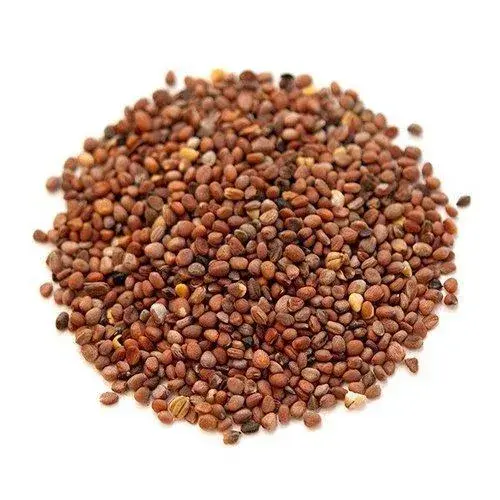
Chinese Pink Radish Microgreens Guide India
Key Takeaways: Chinese Pink radish microgreens have rosy-pink stems and green cotyledons — milder and sweeter than standard red radish microgreens. 93%+ germination. Harvest in 6-8 days. No pre-soaking required. Rich in vitamin C, folate, and anthocyanins. Available from SAGreens Pune in 100g packs at ₹178.
Among the most visually appealing entries in the radish microgreen family, Chinese Pink radish produces microgreens with delicate rosy-pink stems and bright green cotyledons — a colour combination that looks elegant and refined on any plate. Unlike the bold, saturated purple of Purple Sango radish or the vivid red-pink of standard red radish, Chinese Pink has a softer, more understated rosy hue that suits delicate dishes and fine-dining presentations.
More importantly for Indian home growers, Chinese Pink radish microgreens are noticeably milder and sweeter than standard red radish — making them considerably more approachable for those who find standard radish microgreens too peppery. They are the "middle path" of the radish microgreen family: visually interesting enough to be a premium garnish, mild enough to be eaten in larger quantities without overpowering the dish.
What Are Chinese Pink Radish Microgreens?
Chinese Pink radish (sometimes called China Rose radish or Rose radish) is a variety of Raphanus sativus — the radish species — specifically selected for its soft pink pigmentation in the microgreen stage. It is grown widely as a traditional radish variety in East Asia, where it is prized as much for its colour as for its culinary characteristics.
As a microgreen, it is harvested at the cotyledon stage (6-8 days), identical to standard red and white radish. The key difference is in the colour and flavour profile:
| Characteristic | Chinese Pink Radish | Standard Red Radish | White Radish |
|---|---|---|---|
| Stem colour | Rosy pink | Red-purple | Cream to light green |
| Cotyledon colour | Bright green | Green (some red tinge) | Pale green |
| Flavour | Mild-medium pepper | Bold pepper | Mild, sweet |
| Harvest time | 6-8 days | 6-8 days | 6-8 days |
| Best use | Elegant garnish | Bold garnish | Mild dishes |
Nutritional Benefits of Chinese Pink Radish Microgreens
Chinese Pink radish microgreens share the nutritional profile of the radish family while adding their own anthocyanin contribution from the pink pigmentation:
| Nutrient | Benefit |
|---|---|
| Vitamin C | Immune support; iron absorption enhancement |
| Folate | Cell division; DNA synthesis; pregnancy support |
| Anthocyanins | Antioxidant; anti-inflammatory; cardiovascular |
| Glucosinolates | Detoxification; anti-cancer activity |
| Potassium | Blood pressure regulation; heart health |
| Vitamin B6 | Brain health; metabolism; immune function |
Pink = health: The rosy-pink pigment in Chinese Pink radish stems is a genuine indicator of anthocyanin content — the same class of antioxidants found in blueberries, pomegranates, and red cabbage. The visual beauty of these microgreens is also a nutritional signal.
How to Grow Chinese Pink Radish Microgreens Step by Step
Growing Chinese Pink radish microgreens is essentially identical to growing standard red radish — one of the easiest microgreen varieties available:
What You Need
- SAGreens Organic Chinese Pink Radish Seeds (100g, ₹178)
- Shallow tray, 2-3 cm cocopeat, spray bottle, blackout cover
Step 1: Prepare the Tray
Fill tray with 2 cm of cocopeat. Moisten until damp but not dripping. Level the surface.
Step 2: Sow Seeds (No Pre-Soaking)
Scatter dry seeds evenly over the moist cocopeat at medium-high density. For a 10x20-inch tray, use 15-20 grams of seeds. Mist gently after sowing to settle the seeds.
Step 3: Blackout Phase — Days 1-3
Cover in complete darkness for 2-3 days. Chinese Pink radish germinates rapidly — visible sprouts often appear within 24-36 hours in Indian conditions.
Check daily and mist lightly if the cocopeat looks dry. Do not overwater.
Step 4: Light Phase — Days 3-6 (Colour Development)
Move to bright indirect light when shoots are 3-5 cm with curled cotyledons. The rosy-pink pigmentation in the stems develops over 12-24 hours of light exposure. The colour is most saturated with bright indirect light — direct harsh sun can bleach the delicate pink slightly.
Bottom water from day 3 onward to keep stems dry and colour vibrant.
Step 5: Harvest — Days 6-8
Harvest when cotyledons are fully open and the pink stems are vivid and fully developed. Cut with clean scissors above the cocopeat. Rinse gently and use immediately.
Colour tip: For the prettiest presentation, avoid washing the microgreens until just before serving. Water on the stems during refrigeration can cause the delicate pink colour to fade slightly. Store dry and rinse only at the moment of use.
Managing Chinese Pink Radish in Indian Seasons
Chinese Pink radish is robust across Indian seasons — one of its practical advantages:
Summer: Fast germination, excellent growth. Keep out of direct afternoon sun to prevent colour bleaching and wilting of delicate shoots. Early morning harvest is best.
Monsoon: Manageable — the 6-8 day grow window reduces mold risk compared to longer-growing varieties like Swiss Chard or basil. Bottom water and ensure drainage.
Post-monsoon and winter: Ideal conditions. Best colour development occurs in slightly cooler temperatures (20-26 degrees Celsius).
How to Use Chinese Pink Radish Microgreens in the Kitchen
The mild flavour and elegant colour of Chinese Pink radish microgreens make them particularly suited to refined, visually curated dishes:
Presentation-focused uses:
- Fine-dining garnish on white-plate presentations
- Sushi and Japanese-style plating (the pink-green colour is aesthetically Japanese)
- Cheese board and charcuterie decoration
- Any dish where you want a delicate, feminine colour accent
Flavour contributions:
- Salads where you want a gentle radish note without heat
- Sandwiches and wraps — milder than red radish
- Grain bowls and rice dishes as a colourful topping
- Raita garnish for Indian meals
- Sprinkled over Thai and Chinese dishes for a mild peppery freshness
Indian fusion:
- Garnish on masala dosa served at modern Indian restaurants
- Layer in club sandwiches for colour and mild flavour
- Mixed with white radish microgreens for a two-tone radish medley
Comparing Chinese Pink Radish with Other Radish Microgreens
If you are wondering which radish microgreen variety to grow first, this guide helps:
- SAGreens Red Radish (organic radish seeds): Bold flavour, striking colour. Best for confident radish lovers.
- White Radish (guide here): Mildest flavour, pale colour. Best for those new to radish microgreens.
- Chinese Pink Radish: Middle ground — mild-medium flavour, elegant rosy colour. Best for visual presentations.
- Purple Sango Radish (guide here): Boldest colour, strongest flavour. Best for premium garnishes and colour impact.
Growing all four radish varieties simultaneously gives you a palette of microgreens that can suit any dish and any presentation style.
Where to Buy Chinese Pink Radish Seeds in Pune
SAGreens stocks organic Chinese Pink radish seeds in Pune — 100g packs at ₹178 with same-day delivery across Pune. Order Chinese Pink radish microgreens seeds here. For wholesale quantities and commercial supply, contact SAGreens directly.
Frequently Asked Questions
What is Chinese Pink radish and how is it different from regular radish?
Chinese Pink (China Rose) radish is a specific variety of Raphanus sativus bred for its pink-red pigmentation, particularly in the microgreen stage. Standard red radish microgreens have deeper red-purple stems and a bolder peppery flavour; Chinese Pink has softer rosy stems and a milder, sweeter taste. Both are grown the same way.
Do Chinese Pink radish seeds need soaking?
No. Like all radish microgreen varieties, Chinese Pink does not require pre-soaking. Sow dry seeds directly on pre-moistened cocopeat and they will germinate rapidly within 24-36 hours.
How do I get the best pink colour in my Chinese Pink radish microgreens?
The rosy-pink colour develops with light exposure after the blackout phase. Bright indirect light (morning sun through a window) gives the most saturated pink. Avoid harsh direct midday or afternoon sun which can bleach the colour. Bottom watering keeps the stems dry, which also preserves colour intensity.
Can I grow Chinese Pink radish microgreens on a balcony in Pune?
Yes, very well. The 6-8 day grow window and robust germination make Chinese Pink radish one of the easiest balcony microgreens. Use a partially shaded spot on your balcony — morning sun with afternoon shade is ideal in Indian conditions.
Where can I buy Chinese Pink radish seeds in Pune?
SAGreens sells organic Chinese Pink radish seeds in Pune — available for same-day delivery across all major Pune areas including Koregaon Park, Baner, Hinjewadi, Kothrud, Viman Nagar, and Hadapsar. Order through the SAGreens website or WhatsApp.
What are Chinese Pink radish microgreens?
Chinese Pink radish microgreens are grown from a heirloom Chinese radish variety (Raphanus sativus) that produces distinctive pale pink stems. They have the characteristic peppery radish flavour with subtle floral notes and are used as premium plating garnishes in fine dining and health cuisine. The pink colouring comes from natural anthocyanin pigments and intensifies with good light exposure during the growing phase.
How do Chinese Pink radish microgreens compare to standard radish microgreens?
Compared to standard radish microgreens, Chinese Pink radish has a slightly milder and more complex flavour — less aggressively peppery, with subtle floral undertones. The visual difference (pink stems vs green stems) makes Chinese Pink a premium plating ingredient. Nutritionally, both varieties are high in vitamin C and glucosinolates. Chinese Pink takes 1-2 days longer to grow and the seeds are slightly less widely available.
How long do Chinese Pink radish microgreens take to grow?
Chinese Pink radish microgreens take 8-10 days from sowing to harvest in typical Indian indoor conditions. The blackout phase is 3-4 days; the light phase (days 4-10) is when the pink colouring develops in the stems. Harvest when cotyledon leaves are fully open and the pink stem colour is at peak intensity.
Detailed Nutritional Profile: Chinese Pink Radish Microgreens
Chinese pink radish microgreens share the glucosinolate-rich nutritional profile of all radish family microgreens, with some characteristics specific to the Chinese pink variety.
Glucosinolates and isothiocyanates. Radish microgreens are among the most glucosinolate-dense microgreens available. When consumed, glucosinolates are converted by the enzyme myrosinase (released during chewing) into isothiocyanates — compounds that are studied for their potential in supporting detoxification pathways and anti-inflammatory processes in the body.
Folate (Vitamin B9). Radish microgreens are a good source of folate — important for DNA synthesis, cell division, and pregnancy nutrition. Chinese pink radish microgreens provide folate in a fresh, uncooked format that preserves the heat-sensitive vitamin.
Vitamin C. The vitamin C content of radish microgreens is substantially higher per gram than mature radish. In Indian cooking, where many vegetables are cooked (reducing vitamin C), microgreens consumed raw provide a meaningful fresh-source supplement.
Colour compounds. The pink and green colour of Chinese pink radish microgreens comes from both anthocyanins (in the stems) and chlorophyll (in the cotyledons). The ratio of pink to green is influenced by light exposure — more light during the growing phase produces greener cotyledons.
Estimated nutrient ranges per 100g:
| Nutrient | Chinese Pink Radish Microgreen | Mature Radish |
|---|---|---|
| Vitamin C | 40–75mg | 14mg |
| Folate | 80–110mcg | 25mcg |
| Glucosinolates | High | Moderate |
| Anthocyanins | Moderate (pink pigmentation) | Low |
Month-by-Month Growing Calendar for Indian Conditions
Chinese pink radish follows standard radish microgreen seasonality with one specific note: the pink stem colour is most vibrant in cooler temperatures.
October–February. Best quality window. Pink colour most saturated. Germination is even and steady. 7–9 day cycle. This is the premium quality window for commercial production.
March–April. Good quality — slightly faster cycle (6–7 days). Pink colour begins to pale as temperatures rise above 28°C.
May–June. High ambient temperature reduces pink pigmentation — stems may appear more white or pale pink than the characteristic medium-pink. AC growing maintains better colour.
July–September (monsoon). Growing is viable with standard radish protocol — bottom watering, airflow management, 5–8 day fast cycle. Colour is reduced but crop quality is acceptable.
Colour tip for commercial growers: If you are selling Chinese pink radish for visual premium (restaurant plating, microgreen boxes), plan your commercial production for November–March. The colour difference between cool-season and hot-season Chinese pink radish is significant.
Chinese Pink Radish: Visual Value for Commercial Growers
Chinese pink radish occupies a specific commercial niche — it is chosen for visual variety and mild flavour rather than the intense peppery note of daikon or the deep purple of sango. Here is how commercial operations in India use it.
Mixed microgreen boxes. The pink stems and green cotyledons of Chinese pink radish add a third colour register alongside white/pale (daikon), deep purple (sango), and yellow (sunflower), making it an essential component of premium mixed microgreen assortments.
Restaurant plating. The softer, more feminine colour of Chinese pink radish works differently on the plate than deep purple sango — it complements rather than dominates, making it the preferred choice when a chef wants colour without overpowering the dish's visual composition.
Flavour advantage. Chinese pink radish is milder and slightly sweeter than standard daikon radish microgreens, making it more versatile in dishes where a subtle fresh note is preferred over a strong peppery flavour. This makes it suitable for fish, egg, and dairy-based preparations where stronger radish flavour might compete.
Pricing benchmark. Fresh Chinese pink radish retails at ₹220–400 per 100g — positioned between standard daikon (₹150–250) and purple sango (₹300–500) in the premium microgreen market.
Comparing Chinese Pink Radish to Other Radish Varieties
All four radish microgreen varieties SAGreens supplies (daikon/white, purple sango, Chinese pink, and red radish) share the same Raphanus sativus species but have distinct characteristics:
| Characteristic | White (Mooli) | Chinese Pink | Purple Sango |
|---|---|---|---|
| Stem colour | White to cream | Pink to light red | Deep purple to magenta |
| Flavour intensity | Mild-moderate | Mild | Moderate-strong |
| Visual premium | Low | Moderate | High |
| Anthocyanin content | Low | Moderate | Very high |
| Growing difficulty | Easy | Easy | Easy |
| Cycle time | 6–8 days | 7–9 days | 7–9 days |
| Best season | Year-round | Oct–Mar (best colour) | Oct–Feb (best colour) |
Troubleshooting Chinese Pink Radish Microgreens
Problem: Colour is pale white rather than pink.
Cause: High ambient temperature suppresses anthocyanin production; or insufficient light during growth phase.
Solution: Grow in cooler conditions (below 25°C) and ensure bright indirect light during the growth phase. The pink colour is a pigment response — it requires both cool conditions and adequate light.
Problem: Germination is patchy.
Cause: Uneven seed distribution or insufficient moisture during germination.
Solution: Distribute seeds in a single even layer, mist thoroughly before covering, and ensure the weighted cover provides even contact pressure. Check that the growing medium is evenly moistened to approximately 70% capacity.
Problem: Stems are leggy and thin.
Cause: Extended blackout period or insufficient light post-uncovering.
Solution: Reduce blackout to 2 days and move immediately to a well-lit location. Chinese pink radish stems should be upright and firm — limpness indicates etiolation from too little light.
Frequently Asked Questions About Chinese Pink Radish Microgreens
What does Chinese pink radish microgreens taste like compared to regular radish?
Chinese pink radish microgreens have a milder, slightly sweeter flavour than standard daikon or mooli radish microgreens. The characteristic radish peppery note is present but softer — more like the flavour of a fresh spring radish than the sharp bite of a strong red radish. This makes Chinese pink one of the most accessible radish varieties for people who find strong radish flavour too assertive.
Why is it called Chinese pink radish?
The variety originated from Chinese radish breeding — specifically a pink-stemmed variety selected for its visual properties. In microgreen seed catalogues, it is listed as Chinese pink radish or sometimes as Hong Kong radish. The "Chinese" designation refers to its breeding lineage, not necessarily its current country of seed production.
Can I grow Chinese pink radish microgreens alongside purple sango in the same setup?
Yes. Both are radish varieties with identical growing requirements — same soaking time, same growing medium, same watering protocol, same harvest timing. Growing them in adjacent trays with the same setup is straightforward. The visual contrast between the two — pale pink vs deep purple — makes them excellent companion varieties for mixed microgreen boxes.
Are Chinese pink radish microgreens higher in nutrients than standard white radish?
Both varieties are nutritionally similar overall — they belong to the same species and share the glucosinolate-rich, vitamin C-dense nutritional profile of radish microgreens. The primary difference is in anthocyanin content: Chinese pink radish has moderate anthocyanin levels (giving the pink colour) while white/daikon radish has very low anthocyanin content. For antioxidant properties specifically associated with anthocyanins, Chinese pink and purple sango are the better choices.
How do I get the most vibrant pink colour from Chinese pink radish?
Grow between October and February when ambient temperatures are 15–25°C. Provide bright indirect light during the growth phase (not just indirect light from a poorly-lit room). Harvest at day 8–9 rather than day 7 — allowing slightly longer for colour to develop. These three factors produce the most saturated, vibrant pink stems.
Do Chinese pink radish microgreens have a shorter shelf life than regular radish?
No — shelf life is comparable. Fresh Chinese pink radish microgreens last 5–7 days refrigerated in a sealed container. The pink pigment is stable when cold and dry. Washing before storage shortens shelf life — always store unwashed and rinse only before use.
Pricing: SAGreens seeds — ₹178/100g (MRP ₹198, 10% off). Delivery charged at checkout. NPOP-certified organic, 90–95% germination. Order online or WhatsApp for bulk rates.
About SAGreens
SAGreens is a Pune-based microgreens farm and seed supplier run by Ajay Toradmal of the three-generation farming family, a third-generation farming family from Maharashtra. Our seed range is curated specifically for Indian home growers — tested across Pune's four seasons, packaged for Indian humidity and storage conditions. Browse our complete seed catalogue or get in touch for wholesale and custom orders.
Quick Reference: Chinese Pink Radish Microgreens
Sow rate: 15-18g per 10x20 inch tray.
Pre-soak: Optional, 2-4 hours (speeds germination in cooler weather).
Growing medium: Coco peat (recommended), jute mat, or soil.
Germination time: 1-2 days at 22-28 degrees C.
Light requirement: Indirect bright light, 4-6 hours daily.
Harvest window: Day 7-10 from sow, when cotyledons are fully open.
Colour development: The pink-green tricolour stem colouration is genetic; harvest before the stem elongates too much to retain the compact, colourful appearance.
Taste profile: Mild, sweet radish flavour — less peppery than Daikon or Purple Sango.
Best uses: Salads, sushi garnish, high-end plating, smoothie bowls, raw dishes where mild flavour and visual impact are both wanted.
NPOP certification: Yes — all SAGreens radish seed varieties.
Germination guarantee: 85%+ or replacement.
Related varieties: white radish, purple sango radish.
Sourcing: NPOP-certified Chinese pink radish seeds from SAGreens, delivered across India. Same-day Pune, 2-3 days Mumbai and Delhi, 2-4 days other metros. No minimum order for retail. Contact us for wholesale pricing and standing orders.
Fresh Tips & Exclusive Offers
Subscribe for growing tips, seasonal updates, and exclusive offers on fresh organic microgreens in Pune.