Purple Sango Radish Microgreens Growing Guide India
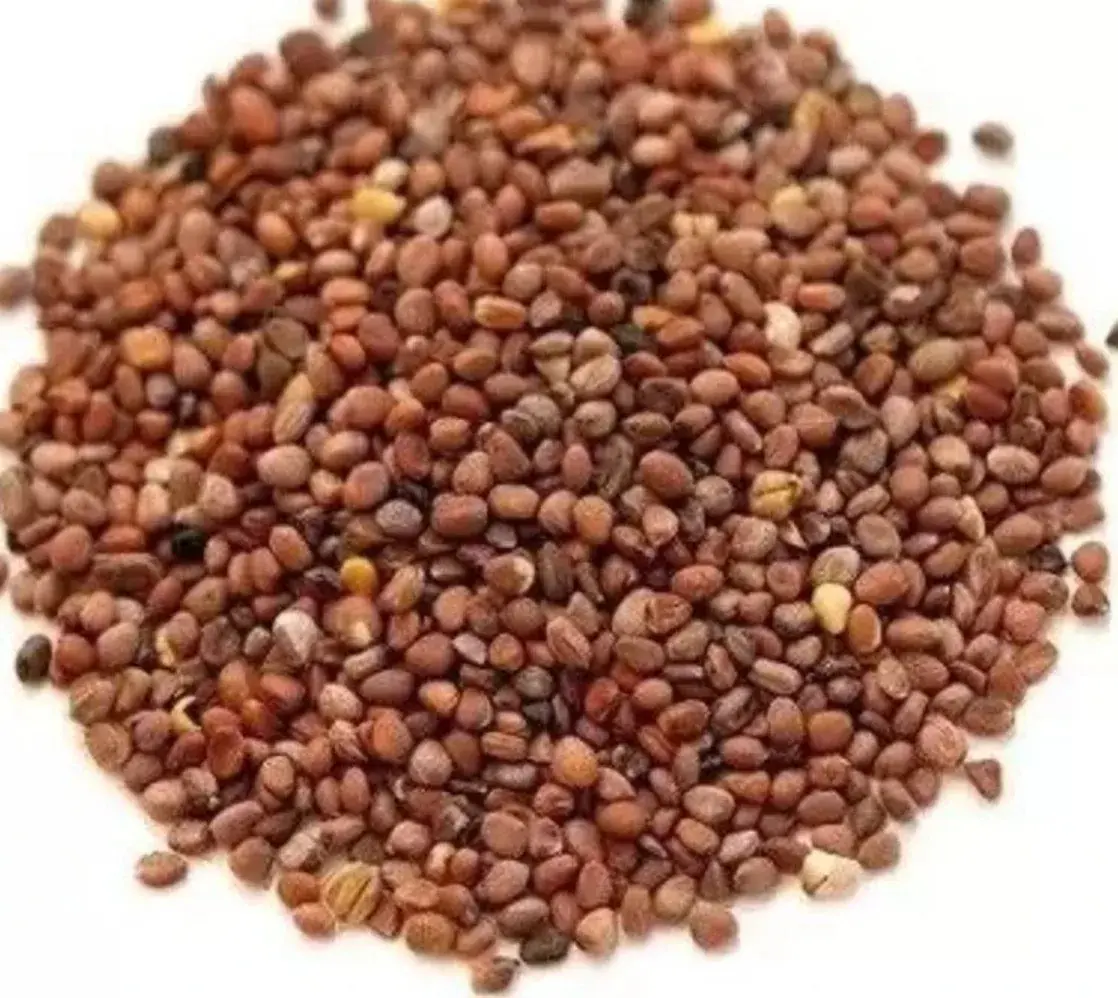
Purple Sango Radish Microgreens Growing Guide India
Key Takeaways: Purple Sango radish microgreens produce strikingly vivid purple stems and green cotyledons — their colour comes from anthocyanins, powerful antioxidants. 93%+ germination rate. Harvest in 7-10 days. No pre-soaking required. Spicy, peppery flavour stronger than standard radish. Available from SAGreens Pune in 25g packs at ₹160.
If you have ever seen a plate of food garnished with what looks like vivid purple-stemmed tiny shoots — almost electric in their colour — those are very likely Purple Sango radish microgreens. Sango is a specific cultivar of the radish family bred primarily for its extraordinary anthocyanin content, which produces deep purple pigmentation throughout the stem and into the underside of the cotyledon leaves.
In India, where most home growers are familiar with standard red radish microgreens, Purple Sango remains a relatively rare and premium variety. Growing it at home gives you access to one of the most visually striking and nutritionally distinctive microgreens available — at a fraction of the cost of restaurant-quality produce.
What Makes Purple Sango Different from Other Radish Microgreens?
The radish microgreen family includes several varieties, and understanding the differences helps you choose the right seed for your purpose:
| Variety | Stem Colour | Flavour | Harvest Time | Best Use |
|---|---|---|---|---|
| Standard Red Radish | Pink-red | Bold peppery | 6-8 days | General garnish |
| White Radish (Daikon) | Cream-green | Mild, sweet | 6-8 days | Salads, mild dishes |
| Purple Sango Radish | Deep purple | Spicy, complex | 7-10 days | Premium garnish, show dishes |
| China Rose Radish | Vivid magenta | Medium pepper | 7-9 days | Coloured salads |
Purple Sango stands apart in three specific ways. First, its anthocyanin content is significantly higher than standard red radish — the purple colour is visibly deeper and more saturated. Second, its flavour is more complex, with a spicy radish base layered with a slightly earthy, bitter note that makes it excellent as a flavour accent rather than a background ingredient. Third, it is slower to harvest than standard radish (7-10 days vs 6-8 days), which means it requires slightly more patience but also produces a more developed stem.
Nutritional Profile of Purple Sango Radish Microgreens
The defining nutritional feature of Purple Sango microgreens is their high anthocyanin content — the same class of antioxidants responsible for the health benefits of blueberries, purple grapes, and red cabbage.
| Nutrient | Benefit |
|---|---|
| Anthocyanins | Powerful antioxidants; anti-inflammatory; cardiovascular protective |
| Vitamin C | Immune support; collagen synthesis; antioxidant synergy with anthocyanins |
| Glucosinolates | Detoxification; anti-cancer activity (isothiocyanates) |
| Vitamin K | Blood clotting; bone health |
| Folate | Cell division; DNA synthesis; essential during pregnancy |
| Potassium | Heart health; blood pressure regulation |
Research has shown that anthocyanins reduce oxidative stress, improve cardiovascular markers, support cognitive function, and have anti-inflammatory properties relevant to conditions like arthritis, diabetes, and metabolic syndrome — all of which are highly prevalent in urban India.
Science note: The purple colour in Sango radish is not just decorative. Anthocyanins are genuine health compounds at meaningful concentrations. Eating 30-40 grams of Purple Sango microgreens provides a measurable anthocyanin dose comparable to a small serving of blueberries.
How to Grow Purple Sango Radish Microgreens Step by Step
What You Need
- SAGreens Purple Sango radish seeds (25g pack, ₹160)
- Shallow tray (10x20 inch standard nursery tray)
- Cocopeat, 2-3 cm depth
- Spray bottle
- Blackout cover (second tray placed upside-down)
Step 1: Prepare the Tray
Fill the tray with 2-3 cm of cocopeat. Moisten evenly until damp but not dripping. Level the surface.
Step 2: Sow Seeds (No Soaking Required)
Sow Purple Sango seeds dry, directly from the packet. Spread evenly at medium-high density — seeds should be close but not piled. For a 10x20 tray, use 10-12 grams of seeds from your 25g pack.
Mist lightly after sowing to settle the seeds without dislodging them.
Step 3: Blackout Phase — Days 1-3 (Critical for Colour)
This step is crucial for Sango radish. The blackout phase encourages stem elongation in darkness, and — counter-intuitively — it sets up the anthocyanin response that produces the vivid purple colour when light is introduced in step 4.
Keep the cover on for 2-3 days. Check once daily and mist if the surface looks dry. In Indian summer, germination appears within 20-30 hours.
Step 4: Light Phase — Days 4-7 (Colour Development)
Remove the blackout cover when seedlings are 3-5 cm with curled cotyledons. Place in bright indirect light — a south or east-facing window is ideal.
The anthocyanin pigmentation deepens dramatically within 12-24 hours of light exposure. You will see the stems shift from pale to vivid purple-red over a day. The more light (without harsh direct sun), the deeper the colour.
Bottom water from day 4 onward to keep foliage dry and colour intense. Wet leaves lose colour saturation.
Step 5: Harvest — Days 7-10
Harvest when cotyledons are fully open and stems are a deep, saturated purple. Cut just above the cocopeat with clean scissors. A 25g pack of seeds yields enough for 1-2 trays — expect 40-60 grams fresh weight per tray.
Colour tip: For maximum visual impact, harvest at day 9-10 rather than day 7. The anthocyanin content and stem colour continue to deepen through day 10. If you want the most striking garnish, wait the full time.
Growing Purple Sango in Indian Seasons
Purple Sango is more temperature-sensitive than standard radish. It performs best in the 20-28 degree Celsius range — making Indian winters and post-monsoon season ideal.
Summer (above 35 degrees Celsius): Germination is fast but colour development can be less intense due to heat stress. Keep trays away from direct afternoon sun. Consider a cooler indoor spot.
Monsoon (high humidity): Mold risk is higher due to the longer growing window (7-10 days vs 6-8). Ensure air circulation and use bottom watering strictly.
Winter and post-monsoon: Best colour development. The slightly cooler temperatures allow slower, more even anthocyanin accumulation.
How to Use Purple Sango Microgreens in the Kitchen
Purple Sango microgreens are at their best as a visual and flavour accent — used in relatively small quantities where their colour and spicy flavour can shine.
Best culinary uses:
- Garnish on poached eggs, shakshuka, or egg dishes (the red-green contrast is stunning)
- Top for ramen, noodle soups, and pho
- Salad ingredient in small quantities alongside milder greens
- Cheese board and charcuterie garnish
- Topping for tacos, burritos, and wraps
- Finishing touch on biryani and pulao for a modern, restaurant-style presentation
- Added to smoothies for anthocyanin boost (flavour virtually undetectable in a strong fruit smoothie)
The spicy flavour means you want moderate amounts — 5-15 grams per serving is usually enough. Think of Sango radish microgreens the way you think of a fine spice: a small amount transforms the dish.
Where to Buy Purple Sango Radish Seeds in Pune
SAGreens supplies organic Purple Sango radish seeds in Pune — 25g packs at ₹160 with same-day delivery across Pune. Order Purple Sango radish seeds from SAGreens here.
For other premium microgreen varieties, see our complete seed catalogue. If you are new to coloured microgreens, also read our white radish microgreens guide to start with a milder variety first. Contact SAGreens for bulk or wholesale orders.
Frequently Asked Questions
Why are Purple Sango radish microgreens purple?
The purple colour comes from anthocyanins — plant pigments that act as UV protection and antioxidants. Sango radish is specifically bred to produce high levels of these pigments. The colour develops most intensely after exposure to light following the blackout germination phase.
What do Purple Sango radish microgreens taste like?
Bold, spicy, and peppery — similar to standard red radish microgreens but more complex. There is a slightly bitter note underneath the heat that makes them excellent as a flavour accent. They are not as mild as white radish microgreens.
How long do Purple Sango radish microgreens take to grow?
7-10 days from sowing to harvest. This is slightly longer than standard radish (6-8 days) due to the additional time needed for anthocyanin accumulation and colour development.
Can I grow Purple Sango radish microgreens on a Pune balcony in summer?
Yes, but keep trays shaded from direct afternoon sun during peak summer months (April-June). Morning sun exposure is ideal for colour development. High heat does not stop growth but can reduce anthocyanin intensity slightly.
Are Purple Sango radish seeds available in India?
Yes. SAGreens sells organic Purple Sango radish seeds in Pune with delivery across Maharashtra and India. They are a premium variety and slightly more expensive than standard radish seeds, reflecting their rarity and the specific breeding involved.
What makes purple Sango radish microgreens different from regular radish?
Purple Sango radish microgreens are a specialist variety bred for vivid magenta-purple stems and striking visual impact. Unlike standard radish microgreens (which are green-stemmed), Sango produces intense colour from anthocyanin pigments in the stem. The flavour is more pronounced and peppery than white or red radish microgreens. They are used primarily as premium plating garnishes in restaurants and health cafes.
Are purple radish microgreens more nutritious than green radish microgreens?
Purple Sango radish microgreens contain anthocyanins — the pigments that create the purple colour — which are powerful antioxidants not present in green radish varieties. Both varieties are high in vitamin C and glucosinolates, but the anthocyanin content makes purple Sango nutritionally distinct for antioxidant and anti-inflammatory properties.
How do I get the deepest purple colour in Sango radish microgreens?
For maximum colour development, provide 4-6 hours of bright indirect light daily after the blackout phase. The anthocyanin pigment intensifies with good light exposure. Avoid harsh direct midday sun which can stress the seedlings. A south or east-facing window is ideal. Some growers find that slightly cooler temperatures (22-26 degrees Celsius vs 30+ degrees) produce deeper purple colouring.
Where can I buy purple Sango radish microgreen seeds in India?
SAGreens sells organic purple Sango radish seeds for microgreens. Available in 25g packs at ₹160. These are a premium specialty variety with limited availability. We deliver across Pune same-day and ship pan-India. Contact us for bulk or restaurant supply quantities.
Detailed Nutritional Profile: Purple Sango Radish Microgreens
Purple sango radish microgreens are nutritionally exceptional even within the already-nutrient-dense world of microgreens. The deep purple-to-magenta colour is not cosmetic — it is an indicator of very high anthocyanin concentration.
Anthocyanins. The pigments responsible for the purple and deep red colour in purple sango are anthocyanins — the same compounds found in blueberries, red cabbage, and black grapes. In purple sango microgreens, anthocyanin concentration is exceptionally high. Anthocyanins are studied for antioxidant activity, anti-inflammatory effects, and potential benefits for cardiovascular and cognitive health.
Glucosinolates. Like all radish family microgreens, purple sango contains glucosinolates — compounds that convert to isothiocyanates (including sulforaphane analogues) when consumed. These compounds are the primary reason brassica-family microgreens are of research interest for cancer prevention pathways.
Vitamin C. Radish microgreens are among the highest natural sources of vitamin C per gram — relevant for Indian diets where dietary vitamin C is sometimes limited by cooking methods that destroy heat-sensitive vitamins.
Comparative nutrient content (per 100g, estimated ranges):
| Nutrient | Purple Sango Microgreen | Mature Red Cabbage | Mature Radish |
|---|---|---|---|
| Anthocyanins | Very High | Moderate | Low |
| Vitamin C | 50–90mg | 57mg | 14mg |
| Folate | 80–120mcg | 43mcg | 25mcg |
| Glucosinolates | High | High | Moderate |
Growing Calendar: Purple Sango Through the Indian Year
Purple sango radish performs differently across India's seasons. Understanding the seasonal window helps maximise the visual quality of the signature purple colour.
October–February (best quality). Cool temperatures (15–25°C) produce the deepest, most saturated purple colour. Lower temperatures trigger anthocyanin production — the plant uses these pigments as a form of cold protection. This window produces the most visually impressive purple sango for restaurant plating and premium markets.
March–April (good quality). Warming temperatures still allow good purple colour development. Slight increase in cycle speed — 7 days rather than 8.
May–June (challenging). High temperatures (35°C+) reduce anthocyanin production — the microgreens may come out less deeply coloured and more pink-to-red than purple. AC growing at 20–24°C maintains better colour quality.
July–September (monsoon). Humidity management is required — same protocol as standard radish microgreens. Bottom watering and fan airflow. Colour is moderate. Growing is viable but quality is lower.
Colour tip: The deeper the purple, the higher the anthocyanin content and the better the visual premium for restaurant plating. Cool-season (November–February) harvests produce the most saturated colour.
Purple Sango Radish for Commercial Use: India's Premium Microgreen
Purple sango radish is the highest-value standard radish variety in the Indian market precisely because of its visual impact. Here is how commercial growers in India use it.
Five-star hotel plating. Purple sango provides a dramatic visual element on plated dishes — the deep purple stems and green cotyledons create maximum colour contrast. Hotel F&B teams in Mumbai, Delhi, and Bengaluru specifically request purple sango for signature dishes where the visual presentation is part of the dining experience.
Wedding and event catering. The premium visual quality of purple sango makes it a preferred garnish for wedding and high-end event catering. Its 6–8 day production cycle allows growers to time production precisely for specific event dates.
Health food retail. The anthocyanin story — backed by a genuinely impressive pigment concentration — allows purple sango to carry premium retail positioning alongside wheatgrass, broccoli microgreens, and other superfoods.
Photography and content creation. Food photographers and Instagram-driven food businesses actively seek purple sango for its colour. This is a growing but genuine commercial channel.
Pricing benchmark. Fresh purple sango retails at ₹250–500 per 100g in Indian health food markets. Seed cost from SAGreens makes this variety's margin significantly better than standard daikon or white radish.
Common Problems with Purple Sango and How to Solve Them
Problem: Colour is pink or pale red rather than deep purple.
Cause: High ambient temperature suppresses anthocyanin production.
Solution: Grow during October–February or maintain growing space at 20–24°C with AC. Adequate light also stimulates anthocyanin production — ensure trays receive bright indirect light.
Problem: Stems are too short and thick.
Cause: Insufficient light or too-short blackout period.
Solution: Extend blackout to 3 days (rather than 2) to drive etiolation (upward stem growth seeking light). Move to a brighter location for the light phase.
Problem: Uneven germination across the tray.
Cause: Uneven seed distribution or uneven pressure during germination.
Solution: Distribute seeds in a single, even layer — purple sango seeds are small and tend to clump. After sowing, use a flat board rather than another tray to distribute pressure evenly during the weighted germination phase.
Problem: Mould at the base of stems.
Cause: Overwatering or poor airflow during high humidity.
Solution: Switch to bottom watering only. Ensure the growing medium surface is not wet between waterings. Run a fan at low speed if ambient humidity exceeds 75%.
Frequently Asked Questions About Purple Sango Radish Microgreens
Why is purple sango more expensive than regular radish?
Purple sango is a specialty variety requiring specific breeding to maintain consistent colour and vigour. The seeds are produced in lower quantities than commodity radish varieties, and the colour-selection process is more demanding. This reflects in a higher seed price and, in turn, a higher retail price for the finished microgreen.
Can I eat the roots along with the stems and leaves of purple sango?
The roots are technically edible but are typically not consumed — they carry growing medium particles and have a more fibrous texture. Harvest by cutting at the stem just above the growing medium. The cut portion — stem and cotyledons — is the edible part.
How long do purple sango microgreens last after harvest?
Fresh purple sango stays crisp and vibrant for 5–7 days refrigerated in a sealed container. Line the container with a dry paper towel to absorb excess moisture. Do not wash until immediately before use — washing accelerates wilting.
Does the purple colour bleed into dishes?
Slightly — particularly in contact with heat or acidity. When purple sango is used as a garnish on warm dishes or in acidic dressings, some colour transfer can occur. This is normal and is related to anthocyanin solubility. For maximum colour retention, serve purple sango fresh and unheated.
Are purple sango microgreens suitable for children?
Yes. The flavour is similar to standard radish — peppery, crisp, and fresh. Children who enjoy any peppery vegetable will likely enjoy purple sango. The bright colour also makes it a visually engaging food for children.
Where does the name "sango" come from?
Sango refers to the Japanese variety classification for this type of radish. Japanese seed breeders developed the deep purple sango variety specifically for microgreen production. The name has become the standard market name in India for deep purple radish microgreens.
Pricing: SAGreens seeds — ₹160/25g (MRP ₹199, 10% off). Delivery charged at checkout. NPOP-certified organic, 90–95% germination. Order online or WhatsApp for bulk rates.
About SAGreens
SAGreens is a Pune-based microgreens farm run by Ajay Toradmal of the three-generation farming family, a third-generation farming family from Maharashtra. We grow and supply microgreens and seeds that work specifically in Indian conditions — our growing guides are built on years of experience across Pune's four seasons. Browse our seed range or get in touch for custom orders and wholesale pricing.
Quick Reference: Purple Sango Radish Microgreens
Sow rate: 15-18g per 10x20 inch tray.
Growing medium: Coco peat (preferred), jute mat, soil.
Germination time: 1-2 days at 22-28 degrees C.
Light requirement: Indirect bright light, 4-6 hours minimum.
Harvest window: Day 7-10 from sow; harvest when cotyledons are fully open and first true leaf is just emerging.
Storage after harvest: Unwashed in an airtight container with slightly damp paper towel, refrigerator, 4-5 days.
Washing: Just before serving; the purple colour may bleed slightly on washing — this is normal.
Taste profile: Mild radish flavour, crunchy, slightly peppery; less pungent than standard radish microgreens.
Colour intensity tip: Expose to indirect sunlight (not direct afternoon sun) for the last 2 days before harvest to deepen the purple-red anthocyanin pigmentation.
Best uses: Raw garnish, salads, chaat, sandwiches, smoothie bowls, high-end plating where visual contrast matters.
Varieties available from SAGreens: Purple Sango (standard), Daikon white, Chinese Pink (tricolour).
NPOP certification: Yes — all SAGreens radish seeds carry NPOP organic certification.
Germination guarantee: 85%+ or replacement.
Minimum order: No minimum for retail; contact for wholesale.
Growing season in India: Year-round with temperature management; best Oct-Mar without AC.
For related radish varieties, see our white radish microgreens guide and our Chinese pink radish guide. For seed quality and certification questions, see our organic microgreen seeds guide.
E-E-A-T note: SAGreens is run by Ajay Toradmal, a third-generation farming family from Keshav Nagar, Pune. Growing and seed quality knowledge is grounded in decades of on-farm experience and years of microgreen-specific research. Our growing guides are built on direct observation of how varieties perform across Pune's four distinct seasons — and across different growing setups, from home hobbyists to commercial kitchen suppliers. When we recommend a germination rate or a harvest window, it reflects what we have observed consistently, not a generic guideline. Reach us through our contact page for any growing questions.
Fresh Tips & Exclusive Offers
Subscribe for growing tips, seasonal updates, and exclusive offers on fresh organic microgreens in Pune.