How to Grow Microgreens at Home in Pune
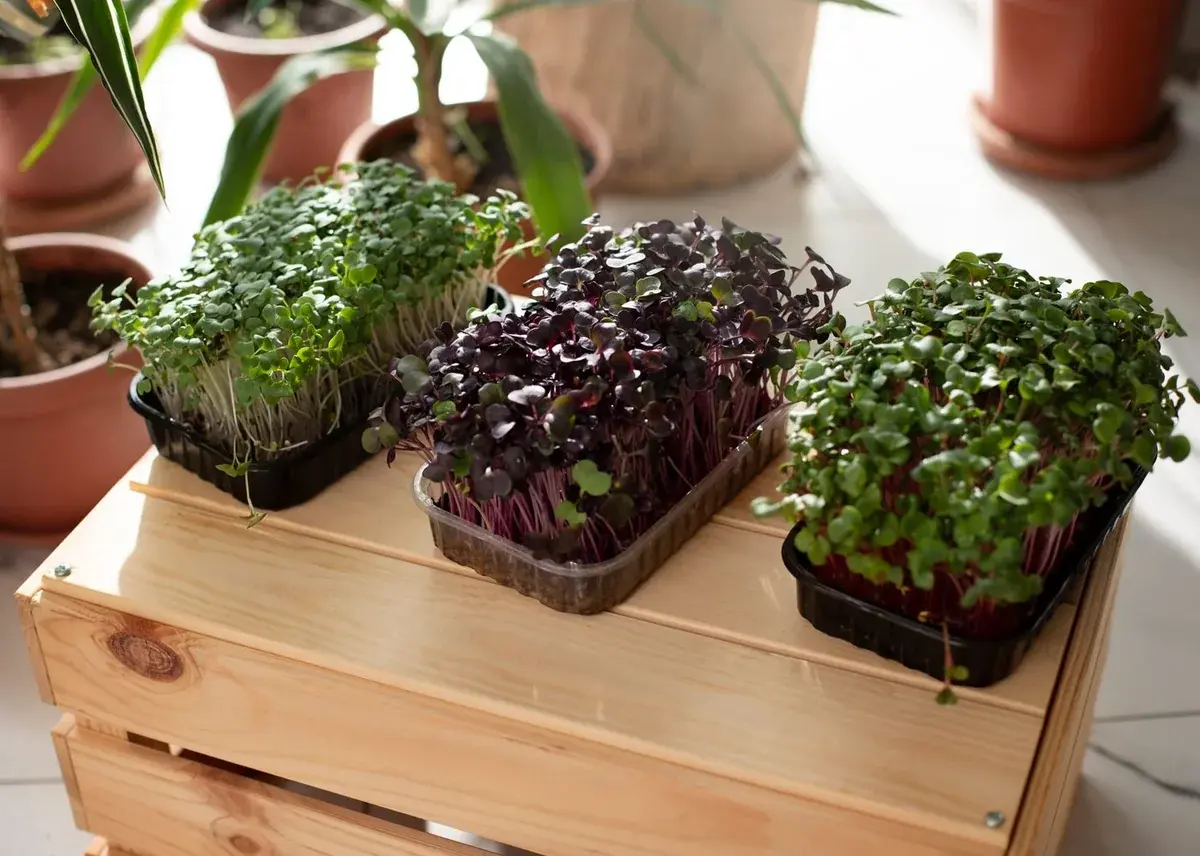
Key Takeaways: Microgreens grow in 7–14 days at home in Pune with minimal equipment — a tray, coco peat, seeds, and a spray bottle. Best beginner varieties: radish (6–8 days) and mustard (6–8 days). Pune's climate is ideal most of the year. Avoid overwatering — the single most common cause of failure. SAGreens delivers fresh organic microgreens across all Pune areas for those who prefer to buy.
Introduction: Your Pune Kitchen Deserves Fresh Greens
Let me ask you something. When was the last time you ate something you actually grew yourself?
For most of us living in Pune — whether it's a compact flat in Hinjawadi, a high-rise in Viman Nagar, or a cozy apartment in Kothrud — the idea of growing food at home feels like a weekend project that never quite happens. We get busy, we order food online, and we forget that one of the healthiest things we can eat is also one of the easiest to grow.
That thing? Microgreens.
In the last couple of years, microgreens have quietly become one of the biggest trends in healthy eating across India — and Pune is right at the centre of it. Fitness-conscious folks in Baner, working professionals in Wakad, and young families in Pimpri are all discovering the same thing: microgreens are easy, fast, cheap, and insanely nutritious.
This guide is your complete roadmap. Whether you've never touched a seed in your life or you've tried and failed before, by the end of this article you'll know exactly how to grow microgreens at home — right on your kitchen counter or apartment balcony in Pune.
What Are Microgreens?
Microgreens are young vegetable and herb seedlings, harvested just 7–14 days after germination — right after their first true leaves appear. They're not sprouts (those are grown in water with no soil) — see our microgreens vs sprouts guide for a full comparison. They're not full-grown plants either. They're the sweet spot in between.
Think of them as baby versions of plants like radish, sunflower, mustard, broccoli, or pea shoots. They're tiny, but don't let the size fool you. Microgreens pack a serious nutritional punch that their fully grown versions can barely match.
Benefits of Microgreens
Microgreens aren't just a fancy garnish for Instagram photos. The science behind them is genuinely impressive:
- 4–40x more nutrients than mature vegetables, according to USDA studies
- Rich in Vitamins C, E, K, and Beta-Carotene
- Loaded with antioxidants that fight inflammation
- Great source of plant-based protein and minerals
- Low in calories, high in fibre — perfect for weight management
- Boost gut health and digestion
For Pune's health-conscious crowd — especially those who frequent the gyms in Baner or the weekend cycling clubs around Viman Nagar — microgreens are the kind of superfood that actually fits into daily life. Toss them in a salad, blend them into a smoothie, or add them to your morning poha or toast.
Why Microgreens Are Perfect for Pune's Climate
Here's the thing about Pune — the weather is honestly perfect for growing microgreens most of the year.
Summer (March–June): Pune summers get hot — temperatures in Hinjawadi and Pimpri can touch 38–40°C. During this time, fast-growing varieties like radish, mustard, and fenugreek thrive. Keep trays away from direct afternoon sun and maintain moisture.
Monsoon (July–September): Humidity is your biggest challenge during Pune's rainy season. But with proper ventilation and a little care, monsoon is actually a wonderful time to grow microgreens indoors — seeds germinate faster in humidity.
Winter (October–February): Pune winters are mild and absolutely ideal. Pea shoots, sunflower, and broccoli microgreens absolutely love this weather.
No greenhouse. No fancy equipment. Just a balcony, a windowsill, or even a kitchen counter — and you're good to go.
Best Microgreens to Grow in Pune Homes
Radish Microgreens
The absolute beginner's best friend. Radish microgreens germinate in 2–3 days and are ready in just 6–8 days. They have a slightly spicy, peppery flavour — brilliant with dal, sandwiches, or salads. They handle Pune's summer heat well.
Mustard (Rai) Microgreens
Another fast grower with a punchy flavour. Mustard microgreens are extremely popular across Pune households because the seeds are cheap, widely available, and ridiculously easy to grow. Ready in 6–8 days.
Sunflower Microgreens
Thick, crunchy, and nutty — hands down one of the tastiest microgreens you'll ever eat. Sunflower microgreens take about 10–12 days and do beautifully in Pune's winter months. They're protein-rich and a favourite among fitness enthusiasts.
Fenugreek / Methi Microgreens
An Indian classic. Methi microgreens have a slightly bitter taste but are incredibly nutritious and excellent for blood sugar management. Very popular in Kothrud and Pimpri households where traditional cooking rules.
Pea Shoot Microgreens
Sweet, mild, and gorgeous. Pea shoots are ideal for Pune's October–February window. They grow tall and lush and taste almost like fresh green peas. Kids love them — see our microgreens for kids guide for family-friendly recipes.
Broccoli Microgreens
If you're serious about nutrition, grow broccoli microgreens. They contain sulforaphane, a powerful compound linked to cancer prevention. Mild in taste, easy to add to anything, and very popular among the health-forward crowd in Baner and Wakad. Our broccoli microgreens benefits guide covers sulforaphane research, nutrition data, and 10 Indian recipes.
Step-by-Step Guide to Growing Microgreens at Home in Pune
Step 1: Gather Your Supplies
You'll need: seeds (radish, mustard, sunflower, methi) — you can buy microgreen seeds online India from SAGreens — a shallow tray with drainage holes, good quality coco peat, a spray bottle, a dark cloth for the blackout phase, and a bright windowsill or balcony.
Step 2: Soak Your Seeds
Soak large seeds (sunflower, pea) in clean water for 6–8 hours, and small seeds (radish, mustard) for 2–4 hours. This speeds up germination significantly in Pune's warm climate.
Step 3: Prepare Your Tray
Fill your tray with 2–3 cm of moist coco peat or potting mix. Level it out. Don't pack it too tightly.
Step 4: Sow the Seeds
Spread your pre-soaked seeds evenly across the surface. One even layer is what you want — no piling. For small seeds like radish and mustard, sow fairly densely. For larger seeds like sunflower, give a bit more space.
Step 5: Mist and Cover (Blackout Phase)
Lightly mist the seeds with your spray bottle. Then cover the tray with another tray or a dark cloth. Keep in a warm spot — your kitchen shelf or a corner of the balcony works well. Check once a day and mist lightly if the medium feels dry.
Step 6: Reveal and Let Them Grow
After 2–4 days, sprouts will be pushing against the cover. Remove it and move the tray to bright, indirect sunlight — a shaded balcony or windowsill works perfectly.
Step 7: Water Daily
Water from the bottom — pour a small amount into an outer tray so the growing medium absorbs from below. Or mist from the top gently, once a day. Don't overwater — soggy roots cause fungus.
Step 8: Harvest
Your microgreens are ready when they're 5–8 cm tall and have their first true leaves. Use clean scissors and cut just above the soil line. Rinse, eat, enjoy.
Common Mistakes Beginners Make
- Overwatering: The single biggest killer of microgreens. Water lightly, only when the medium feels dry.
- Too much direct sunlight: Pune's afternoon summer sun is harsh. Keep trays in bright but indirect light.
- Sowing too densely: Seeds crammed together don't get airflow and develop mould quickly.
- Not soaking seeds: Especially for larger seeds, skipping this step slows germination considerably.
- Using regular garden soil: Too heavy and compact. Always use coco peat or a good potting mix.
Tips to Prevent Fungus and Bad Smell
Fungus is the most frustrating problem for Pune microgreen growers, especially during the humid monsoon season:
- Ensure airflow — don't keep trays in a closed, stuffy corner
- Don't overwater — moisture is the enemy here
- Use clean trays — wash and dry between batches
- Add a fan or keep a window open nearby during high-humidity months
- A light spray of diluted hydrogen peroxide (3% solution) on seeds before sowing can prevent mould
- Source clean, untreated seeds — contaminated seeds are a major cause of early mould problems
Best Soil and Trays for Microgreens
Soil: Coco peat is the go-to choice for most Pune growers — affordable, widely available (try any garden centre in Kothrud or Baner market), lightweight, and has excellent moisture retention without waterlogging. A 70:30 mix of coco peat and vermicompost adds extra nutrition. See our complete cocopeat guide for microgreens for preparation ratios and reuse tips.
Trays: Standard seedling trays (10"×20") work perfectly. Look for food-grade plastic trays. Terracotta or shallow wooden crates also work beautifully on a balcony.
Watering and Blackout Tips
- Blackout phase: 2–4 days. Keep covered, mist once a day.
- Growing phase: Bottom watering is ideal — it keeps leaves dry and prevents fungal growth.
- Frequency: Once daily is usually enough. In Pune's hot summer months, mist twice a day.
- Water quality: Filtered or RO water is ideal. Pune's tap water is generally safe — let it sit for an hour before using to allow chlorine to dissipate.
Harvesting Guide
Harvest in the morning when microgreens are at their freshest. Use clean, sharp scissors. Cut just above the soil level. Don't wash until you're ready to eat — moisture accelerates wilting. Most varieties won't regrow after a single harvest, so start a new tray every week for a continuous supply.
How to Store Microgreens
- Store unwashed microgreens in an airtight container lined with a paper towel
- Keep refrigerated at 4–6°C
- Best consumed within 5–7 days of harvest
- Don't freeze — they lose texture and nutrition rapidly
Why Choose SAgreens
Whether you're just starting out or you want to skip the growing process altogether, SAgreens is Pune's most trusted microgreens brand.
- 100% organically grown — no chemicals, no pesticides
- Freshly harvested and delivered across Pune including Baner, Wakad, Hinjawadi, Viman Nagar, Kothrud, and Pimpri
- Wide variety — from classic radish and mustard to premium broccoli and sunflower microgreens
- Trusted by fitness coaches, nutritionists, and hundreds of health-conscious Pune families
Looking for fresh microgreens delivery in Pune? Or want seeds to grow your own? Explore SAgreens products or contact us to place your order today.
Conclusion
Growing microgreens at home in Pune isn't just a hobby — it's one of the simplest, most satisfying ways to take control of what you eat. You don't need a big garden. You don't need an expensive setup. You need a tray, some seeds, a spray bottle, and a sunny corner of your home.
Start with radish or mustard this weekend. Once you harvest your first tray, we promise you'll be hooked. And when you're ready to level up — or simply want the best organic microgreens in Pune delivered fresh to your door — you know where to find us.
SAgreens — Pune's freshest microgreens, grown with love.
Organic Certification: SAGreens supplies NPOP-certified organic microgreen seeds — untreated, non-GMO, tested at 85%+ germination rate. Available with pan-India delivery from our Pune farm.
Frequently Asked Questions
How long do microgreens take to grow?
Most microgreens are ready in 7–14 days. Fast varieties like radish and mustard take just 6–8 days. In Pune's warm climate, germination tends to be even faster.
Which microgreens grow fastest in Pune?
Radish and mustard are the quickest — ready in under 8 days. They're also the most beginner-friendly, making them the top recommendation for first-time growers in Pune.
Can I grow microgreens without sunlight?
Yes! Microgreens need darkness during the blackout phase. After that, they need bright indirect light rather than harsh direct sun. A well-lit room or shaded balcony works perfectly in Pune's apartments.
Are microgreens profitable in Pune?
Very much so. The demand for organic microgreens in Pune is growing rapidly. With low startup costs and quick turnaround, microgreens farming at home can become a viable side income. Read our complete microgreen farming profit guide.
Which microgreens taste best?
Sunflower microgreens are a crowd favourite — nutty and crunchy. Pea shoot microgreens are sweet and mild. Radish microgreens give a pleasant peppery kick. Try a few and find your favourite!
How do I avoid fungus in my microgreens?
Keep trays in well-ventilated spots, avoid overwatering, and ensure seeds aren't sown too densely. During Pune's monsoon months, add a small fan nearby. Using clean coco peat and food-grade trays also helps significantly.
Can microgreens grow on tissue paper or cotton?
Yes, especially for very small-scale growing. Radish and mustard seeds germinate well on damp tissue paper. However, for best results and larger quantities, coco peat gives healthier, more nutritious greens.
How often should microgreens be watered?
Once daily is typically enough. In Pune summers, you may need to water twice a day. The key rule: mist lightly and consistently rather than drenching the tray.
Which microgreens are best for absolute beginners?
Start with radish or mustard microgreens. They're forgiving, fast, and require minimal effort. Once you've harvested your first successful tray, move on to sunflower or fenugreek.
Where can I buy fresh microgreens in Pune?
SAgreens delivers fresh, organically grown microgreens across Pune — including Baner, Wakad, Hinjawadi, Kothrud, Viman Nagar, and Pimpri. Browse our full range or contact us to place your order.
What is the best soil for growing microgreens at home?
Coco peat is the best growing medium for home microgreen growers in Pune — affordable, widely available at garden centres in Kothrud and Baner, lightweight, and excellent for moisture retention. A 70:30 mix of coco peat and vermicompost adds extra nutrition.
How often should I water microgreens at home?
Once daily is typically enough. In Pune's hot summer months, mist twice a day. The key rule: water lightly and consistently rather than drenching the tray. Bottom watering — pouring into an outer tray — is the most effective method to keep leaves dry.
When should I harvest my microgreens?
Harvest when microgreens are 5–8 cm tall and the first true leaves have appeared. Use clean scissors and cut just above the soil line. For most varieties, the harvest window is 7–14 days after sowing. Harvest in the morning when microgreens are at their freshest.
Where can I buy fresh microgreens or microgreen seeds in Pune?
SAGreens delivers fresh, organically grown microgreens across Pune including Baner, Wakad, Hinjawadi, Kothrud, Viman Nagar, and Pimpri. High-germination seeds for all popular varieties are also available. Contact via WhatsApp or browse the SAGreens product range.
Staggered Sowing: The Secret to a Continuous Harvest
One of the most common frustrations for new home growers in Pune is the feast-or-famine cycle — you harvest 200 grams all at once, eat microgreens for three days, and then wait another ten days for the next tray. The solution is a staggered sowing system.
How it works: Instead of sowing all your trays on the same day, sow a new tray every 3–4 days. Within two weeks, you have established a rolling rotation where a tray is ready for harvest every few days.
Here is an example rotation for a Pune apartment:
| Sow Day | Variety | Harvest Day |
|---|---|---|
| Day 1 | Radish | Day 7–8 |
| Day 4 | Mustard | Day 10–11 |
| Day 7 | Sunflower | Day 15–17 |
| Day 10 | Radish (repeat) | Day 17–18 |
With 3–4 trays in rotation, you can have fresh microgreens available every 2–3 days — enough for a family of four to add them to daily meals without any gap.
Staggered sowing tip: Keep a simple notebook or phone note tracking sow dates and expected harvest dates. After your first two rotations, the rhythm becomes automatic.
Build a Mini Growing Rack for 6–8 Trays
If you are serious about consistent microgreen growing in a Pune apartment, a compact growing rack transforms your setup. You do not need a fancy commercial unit — here is what works in a standard 2BHK.
What you need:
- A 3-tier metal shelf (60 × 35 cm per shelf) — available at stores in Swargate, Laxmi Road, or online for ₹800–₹1,200
- 6–8 standard seeding trays (25 × 50 cm)
- 2 clip-on LED grow lights (one per shelf) — optional but helpful in rooms with limited windows
Placement in a Pune flat:
- Best spot: Near an east- or north-facing window in the kitchen or balcony corridor
- Good spot: Any well-lit room away from direct afternoon sun (which in Pune hits hard from February to May)
- Works fine: A corner with 2 LED grow lights running 14–16 hours daily
Each shelf holds 2–3 standard trays side by side. A 3-shelf rack gives you space for 6–8 active trays — enough for a full staggered rotation producing fresh greens every 2–3 days.
Cost of the full setup:
| Item | Estimated Cost |
|---|---|
| 3-tier metal rack | ₹800–₹1,200 |
| 8 seeding trays | ₹400–₹600 |
| 2 LED grow lights (clip-on) | ₹600–₹1,000 |
| Spray bottle | ₹80–₹120 |
| Total | ₹1,880–₹2,920 |
This setup pays for itself in 2–3 months if you were previously buying microgreens at market rates (₹200–₹300 per 100g in Pune).
Pune's Home Growing Community
You are not growing alone. Pune has an active and growing community of microgreen enthusiasts connected through WhatsApp groups, Instagram pages, and local organic markets.
Where to connect:
- Search "Pune microgreens" or "Pune organic farming" on WhatsApp and Instagram — several groups share tips, seed sourcing advice, and troubleshooting help
- Sunday organic markets at Baner, Aundh, and Koregaon Park sometimes feature home growers who share seeds and advice
- SAGreens Instagram (@sagreens36) — we share growing tips specific to Pune's seasons and welcome questions from home growers
Connecting with other growers accelerates your learning. Mistakes that cost you a failed tray can be avoided in 30 seconds of advice from someone who has been growing in Pune for a year.
About the Author: Ajay Toradmal, SAGreens
Ajay Toradmal of SAGreens has been growing microgreens professionally in Pune since establishing SAGreens in Keshav Nagar, Mundhwa — and brings a three-generation farming family background to every tray. His family's agricultural roots in Maharashtra give him a deep understanding of soil, seasons, and the particular demands of Pune's climate across its four distinct growing seasons.
"The best thing about growing microgreens in Pune is the climate — it genuinely cooperates for most of the year. Winter mornings in Keshav Nagar are perfect for harvesting. Even monsoon, with a bit of care, keeps producing." — Ajay Toradmal, SAGreens
SAGreens grows and delivers fresh organic microgreens across all Pune areas. Browse our full range or reach us on WhatsApp at +91 9970958370.
Frequently Asked Questions: Growing Microgreens at Home in Pune
How much space do I need to grow microgreens in a Pune flat?
Very little. A single standard tray (25 × 50 cm) fits on any kitchen counter or windowsill. For a full staggered rotation with 6–8 trays, a 3-shelf rack of about 60 × 35 cm footprint is enough. Even a 1BHK in Baner or Wakad has space for this.
Can I grow microgreens without any natural sunlight in my Pune apartment?
Yes. A basic LED grow light (24–36 watts, full spectrum) running 14–16 hours daily is a complete substitute for natural light. This makes microgreen growing viable even in north-facing apartments in Hinjawadi towers or basements.
Where can I buy microgreen seeds and cocopeat in Pune?
SAGreens sells organic, germination-tested seeds with delivery across Pune. Cocopeat is available at most nurseries in Swargate, Laxmi Road, and Pimpri. Buying seeds from SAGreens ensures they are fresh and suited for Indian growing conditions.
Should I start growing or just order fresh microgreens from SAGreens while I learn?
Both work well together. Many of our customers order fresh microgreens from us for their daily nutrition needs while they set up their first home grow. As you build confidence, you grow more and order less. Read about our Pune delivery service or WhatsApp us to place an order while you get started at home.
Staggered Sowing: The Secret to a Continuous Harvest
Related Reading
More Microgreens Tips & Recipes
Nutritional Powerhouse: Microgreens Benefits Guide
Discover why microgreens contain up to 40x more nutrients than mature vegetables. Buy certified organic seeds from SAGreens, Pune.
Microgreens in Indian Cuisine: Nutritional Boost
Discover how locally grown microgreens can elevate traditional Indian recipes with better nutrition, flavor and easy Pune home cooking.
Grow Sunflower Microgreens: Seed to Harvest in 10-14 Days
Sunflower microgreens from soak to cut in 10 to 14 days — hull management, blackout weight, watering, and knowing when to harvest. Written for Indian homes.
Fresh Tips & Exclusive Offers
Subscribe for growing tips, seasonal updates, and exclusive offers on fresh organic microgreens in Pune.