Microgreens in Pune: A Green Revolution on Your Plate
Microgreens in Pune: A Green Revolution on Your Plate
Pune — a city known for its vibrant culture, IT professionals, and growing health awareness — is quickly embracing microgreens. These tiny greens are packed with nutrition and are becoming a daily part of many Pune households and restaurants.
Key Takeaways: Pune is one of the best cities in India for microgreens — mild winters (Oct–Feb) are ideal, summer requires afternoon shade, monsoon requires extra ventilation. Popular Pune varieties: radish, sunflower, fenugreek (methi), broccoli, pea shoots. Fresh organic microgreens are available in Pune from SAGreens with same-day delivery across Baner, Wakad, Kothrud, Viman Nagar, and all areas.
What Are Microgreens?
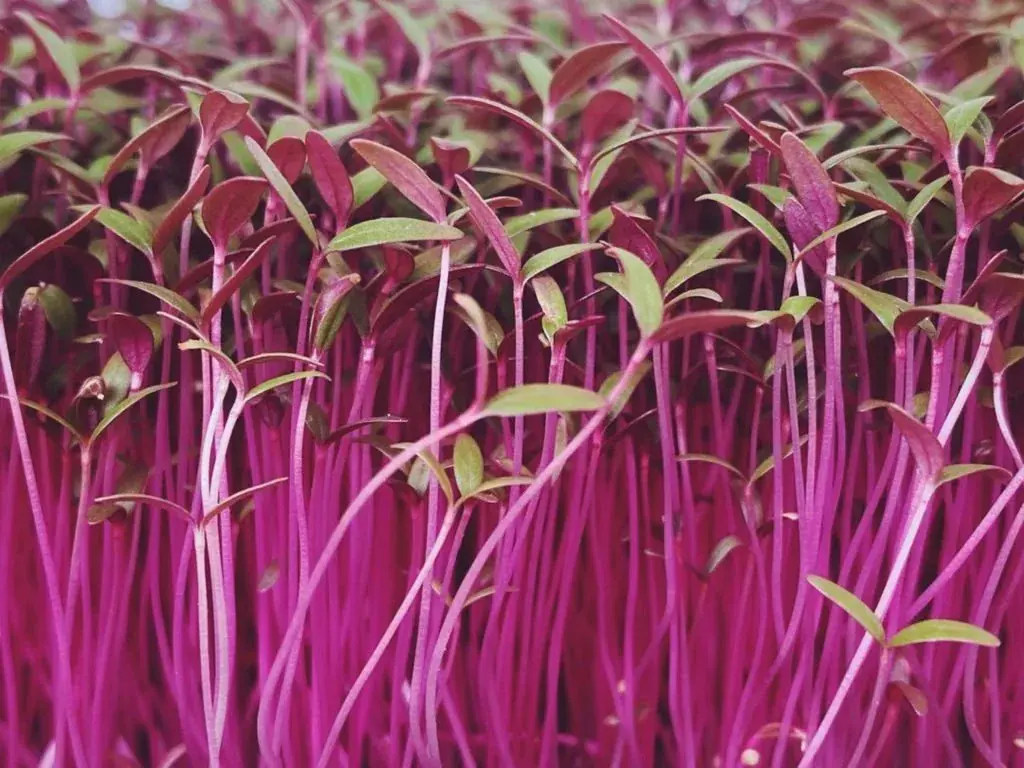
Microgreens are young vegetable and herb plants harvested just after their first true leaves appear. They usually grow within 7 to 21 days and contain intense flavor and nutrition. Popular varieties in Pune include sunflower microgreens, pea shoots, radish microgreens, broccoli microgreens, amaranth, and basil.
Why Microgreens Are Popular in Pune
1. High Nutrition Value
Microgreens can contain up to 40 times more nutrients than mature vegetables. They are rich in vitamins A, C, E, K and antioxidants, helping boost immunity and overall health.
2. Ideal for Urban Living in Pune
With limited space in apartments across areas like Baner, Wakad, and Kothrud, microgreens are perfect. They grow easily on balconies, windowsills, or kitchen shelves — no garden needed.
3. Loved by Pune Cafes and Restaurants
Many Pune cafés and fine-dining restaurants use microgreens to enhance taste, presentation, and nutrition. Kalyani Nagar bistros and health cafes in Koregaon Park are leading this trend.
How to Grow Microgreens in Pune
Things Required:
- Microgreen seeds (buy from SAGreens online)
- Growing tray
- Coco peat or soil
- Water spray bottle
- Indirect sunlight or LED grow light
Steps:
- Fill tray with moist growing medium
- Spread seeds evenly and press lightly
- Cover and keep in darkness for 2–3 days
- Move to indirect sunlight
- Harvest in 7–14 days
Where to Buy Microgreens in Pune
If you prefer to buy fresh rather than grow yourself, SAGreens delivers fresh organic microgreens across Pune — including Baner, Wakad, Hinjawadi, Kothrud, Viman Nagar and Mundhwa. You can also find microgreens at local organic stores, farmers’ markets, and online local delivery services.
How to Use Microgreens in Indian Cooking
- Add to salads and chaats for freshness and crunch
- Use in sandwiches, wraps and rolls
- Garnish dal, soups and curries
- Blend into morning smoothies
- Top poha, upma, and parathas for extra nutrition
Conclusion
Microgreens are more than a food trend in Pune — they are a step toward a healthier lifestyle. Easy to grow, nutrient-rich, and delicious, microgreens fit perfectly into Pune’s modern and wellness-focused culture. Order fresh microgreens from SAGreens or explore our full range today.
Pune's Microgreens Revolution: How a City Fell in Love with Tiny Greens
Pune has quietly become one of India's most progressive cities for food — not just in terms of cafes and restaurants, but in how its residents think about nutrition. A large IT professional population, proximity to Mumbai's cultural influence, and a tradition rooted in education and awareness have made Pune uniquely receptive to the microgreens movement.
Walk into any residential WhatsApp group in Baner, Viman Nagar, or Koregaon Park and you will find conversations about spirulina, cold-pressed juices, or someone asking "where to buy fresh microgreens near me in Pune." The health-conscious shift that began with gyms and protein shakes has evolved into a genuine interest in functional foods — and microgreens are at the centre of that shift.
Pune's IT professionals are a key driver. Working long hours, often with sedentary lifestyles, they are among the most motivated to optimise their diets. A handful of sunflower microgreens or a spoonful of broccoli microgreens blended into a morning smoothie is easy, fits a rushed schedule, and delivers measurable nutritional benefits. For this demographic, buying fresh microgreens online in Pune is as natural as ordering groceries through an app.
Restaurants and cafes in Pune's premium dining areas — Koregaon Park, Kalyani Nagar, Balewadi High Street — began adopting microgreens first as a garnish, then as a genuine ingredient. Brunch menus now feature microgreens in avocado toasts, egg dishes, and grain bowls. Health cafes in Kothrud and Deccan use them in juices and wraps. Fine dining restaurants use radish microgreens and pea shoots for their intensity of flavour and visual appeal. This restaurant-level adoption has normalised microgreens for Pune's home cooks too.
Apartment growing has become a significant part of Pune's microgreens culture. Unlike cities with extreme humidity or dense pollution, Pune's relatively dry air and abundant natural light — even inside apartments — make it very easy to grow microgreens on a kitchen counter or balcony. Thousands of Pune residents now maintain a small rotation of microgreen trays as a household habit. Explore our complete microgreens growing guide to get started at home.
Why Pune's Climate Is Perfectly Suited for Microgreens
Pune sits at an elevation of approximately 560 metres above sea level on the Deccan Plateau. This altitude moderates temperatures significantly compared to coastal cities. While Mumbai and Chennai can feel oppressively humid for growing microgreens indoors, Pune remains manageable through most of the year.
Temperature range: Pune sees approximately 18°C to 32°C across most months — almost exactly the ideal growing window for most microgreen varieties (optimal range: 18–28°C). Even in peak summer (April–May), indoor temperatures rarely exceed 36°C in well-ventilated apartments, and evening temperatures drop quickly.
Humidity: Pune's humidity averages 50–70% outside monsoon season. This is beneficial for microgreen germination while staying dry enough to prevent mould. Compare this to Mumbai, where 85–90% humidity can cause fungal problems in enclosed trays without aggressive ventilation.
Sunlight: Pune receives around 2,800 hours of sunlight per year, among the highest in Maharashtra. East and south-facing balconies in Pune apartments receive excellent morning and midday light — ideal for the light phase of microgreen growing after blackout germination.
Water quality: Pune's municipal water supply from Khadakwasla and Panshet reservoirs is relatively clean and low in dissolved salts — important for microgreen growing, since high mineral content in water can inhibit germination and leave deposits on stems.
This combination — moderate temperature, manageable humidity, strong sunlight, and good water — makes Pune one of the most naturally suited cities in India for both home and commercial microgreen production. Read our detailed guide to the best microgreens for Pune's weather to see how each season affects different varieties.
Seasonal Growing Guide for Pune Microgreens
Understanding Pune's seasons helps you plan your microgreen growing calendar and get the most from every tray throughout the year.
October to February — The Golden Season
This is Pune's ideal window for microgreens. Temperatures stay between 13°C and 28°C. Humidity is low. Natural light is abundant but not harsh. Every major microgreen variety thrives in these conditions.
Best varieties for this period: Sunflower, pea shoots, broccoli, radish, mustard, fenugreek, beetroot, kale, and coriander. Germination rates approach 95–100% and growth is fast and even across the tray.
Growing tips: Place trays directly on a balcony or near any window — no special adjustments needed. Water once a day is usually sufficient. Harvest in 7–12 days depending on the variety. The cool, dry air keeps mould risk very low.
March to May — Managing the Summer Heat
Pune summers bring temperatures that can touch 38–40°C on peak days, though indoor temperatures in well-built apartments are usually 4–6°C cooler. Microgreens still grow in summer but need some care.
Best varieties for this period: Radish (finishes quickly before heat stress), mustard (heat-tolerant), fenugreek (heat-adapted as a traditional Indian crop), and sunflower (needs morning light, shade from harsh afternoon sun).
Growing tips: Move trays away from south and west-facing windows during afternoons. Water twice daily — morning and evening. Harvest a day earlier than the usual schedule to avoid wilting. A small desk fan for air circulation helps significantly if your kitchen gets very warm.
June to September — The Monsoon Challenge
Pune's monsoon (especially July–August) brings high humidity (75–90%) and lower light levels. This is the most challenging period for microgreens but is absolutely manageable with the right approach.
Best varieties for this period: Radish (fast-growing, less exposure time to humidity), mustard, and fenugreek. Avoid slow-growing varieties that spend more days in humid conditions. Sunflower works if you have good cross-ventilation.
Growing tips: Ventilation is the most important factor — leave windows open and use a fan if needed. Reduce watering by 30–40% since the air already carries moisture. Elevate trays on a rack for airflow from underneath. Watch for mould, especially during the blackout phase — check daily. Consider shortening the blackout period by a day.
December to January — The Cool-Weather Bonus
Pune's coldest months (15–20°C daytime) deliver a second peak growing window. Pea shoots, broccoli, and sunflower excel in this period. Germination is slightly slower on cold nights but the resulting quality is exceptional — dense, well-coloured, and intensely flavoured.
Best Microgreen Varieties for Pune Homes
Based on Pune's climate and culinary preferences, here are the five best microgreens for home growing:
| Variety | Days to Harvest | Difficulty | Best Season | Primary Use |
|---|---|---|---|---|
| Radish | 6–8 days | Easy | Year-round | Garnish, salads, chaat |
| Sunflower | 10–12 days | Easy | Oct–Mar | Smoothies, sandwiches |
| Broccoli | 8–10 days | Easy | Oct–Feb | Health boost, garnish |
| Fenugreek (Methi) | 8–10 days | Easy | Year-round | Dal, thepla, upma |
| Pea Shoots | 10–12 days | Easy | Oct–Feb | Salads, stir-fry |
Radish microgreens are the best starter variety for any Pune home — fast, reliable, and universally useful in Indian cooking. The spicy punch works perfectly as a chaat garnish or on poha.
Sunflower microgreens are the most filling and protein-rich, popular with fitness-focused residents. They have a pleasant nutty flavour and make an excellent base for a microgreen salad.
Broccoli microgreens offer the most significant health benefit per gram — the sulforaphane content is notably high in young broccoli sprouts and has been studied for anti-cancer and anti-inflammatory properties.
Fenugreek (methi) microgreens are the most culturally natural choice for Indian households. The familiar bittersweet flavour from methi leaves is present but gentler in microgreen form.
Pea shoots are the most visually striking and the sweetest in flavour — great for introducing microgreens to children or guests who might be unfamiliar with the more intense varieties.
How to Set Up Microgreen Growing in a Pune Apartment
Growing microgreens at home requires very little space and investment. Here is a simple setup that works well in Pune apartments:
Equipment needed:
- 2–3 shallow trays (25x35cm is a good size, available at local nurseries or online for ₹50–100 each)
- Cocopeat brick or loose cocopeat (one 5kg brick costs around ₹150 and makes multiple trays)
- A spray bottle (any household bottle works)
- Microgreen seeds (available from SAGreens' online seed range)
Ideal locations in a Pune flat:
- East-facing balcony (morning sun, afternoon shade) — best year-round
- Kitchen windowsill with indirect light — works for radish and fenugreek
- Near a south-facing window (with sheer curtain in summer to diffuse harsh light)
- On a table near any open window with cross-ventilation
The basic rotation system: With three trays, you can stagger sowing by 3–4 days so you have a continuous harvest. Sow Tray 1 on Day 1, Tray 2 on Day 4, Tray 3 on Day 8. By Day 8–10, Tray 1 is ready to harvest. Resow it immediately after harvest. This rotation gives you fresh microgreens to harvest every 3–4 days indefinitely.
Pune's Organic Food Market — The Bigger Picture
Pune's interest in microgreens exists within a larger shift toward organic and traceable food. The city has seen the emergence of regular organic farmers' markets, community-supported agriculture schemes, and a growing number of farm-direct delivery services over the past five years.
Organic produce subscription boxes from local farms are popular in areas like Aundh, Baner, and Koregaon Park. Health food stores have expanded their ranges. Cafes advertising "local" and "farm-fresh" ingredients draw strong, loyal crowds. The consumer is more educated and demanding about provenance than ever before.
Microgreens fit perfectly into this ecosystem. They are organic by definition when grown at home — no pesticides are needed on a 10-day crop grown in cocopeat. They are hyper-local when bought from a Pune farm. They are fresh — grown and harvested within the same week, often the same day. For Pune's growing cohort of environmentally-conscious and health-motivated consumers, this combination is powerful. Visit the SAGreens Pune microgreens page for more on our local growing operation.
About SAGreens' Keshav Nagar, Mundhwa Farm
SAGreens grows microgreens at our farm in Keshav Nagar, Mundhwa — a green, semi-residential area on the eastern edge of Pune near the Mula-Mutha river confluence. Mundhwa has historically been an agricultural area, and retains the space and character ideal for urban and peri-urban farming.
Our farm is run by Ajay Toradmal, whose family has been in farming for three generations in Maharashtra. This deep agricultural heritage — combined with modern understanding of nutrition and food science — means we bring both traditional growing wisdom and contemporary quality standards to every tray.
Our growing practices:
- Organic cocopeat as the growing medium (no soil, no pesticides, no herbicides)
- Clean filtered water for irrigation
- Natural light in our growing facility wherever possible
- Daily quality checks before every harvest batch
We grow microgreens to order — your order triggers the harvest, not the other way around. This means the microgreens you receive were growing in our farm trays just hours before delivery. No refrigerated storage. No pre-cutting. Just fresh, living greens at peak nutrition.
Pune's Microgreen Growing Community
Pune has a genuine community of microgreen growers sharing knowledge, seeds, and enthusiasm. Facebook groups like "Urban Farming Pune" and "Organic Living Pune" have active threads where home growers share tips and troubleshoot problems. WhatsApp communities in apartment complexes in areas like Viman Nagar and Baner organise group buys of seeds to reduce costs.
Local nurseries in Aundh, Hadapsar, and Swargate have begun stocking cocopeat and shallow trays specifically for microgreen growing — a sign of how mainstream the practice has become. The knowledge barrier to entry has dropped significantly.
If you are a Pune resident just starting out, the best first step is simple: buy a packet of radish microgreen seeds (available from SAGreens' product page), get a tray, add moist cocopeat, and follow the basic sowing steps. In 8 days you will have your first harvest and the beginning of a new daily habit. Or, if you would rather start by tasting before growing, order a sample pack from SAGreens delivered to your home in Pune.
Organic Certification: SAGreens supplies NPOP-certified organic microgreen seeds — untreated, non-GMO, tested at 85%+ germination rate. Available with pan-India delivery from our Pune farm.
Frequently Asked Questions — Microgreens in Pune
Can I grow microgreens in a Pune apartment without a balcony?
Yes. A kitchen counter near a window with even 3–4 hours of indirect light is sufficient for most varieties. Radish, fenugreek, and mustard are the most tolerant of lower light. A small LED grow light (available on Amazon India for under ₹800) can supplement natural light if your flat is very dark.
Where can I buy microgreens in Pune?
SAGreens delivers farm-fresh microgreens across all Pune areas — WhatsApp +91 9970958370 to order. You can also find microgreens at select organic stores in Koregaon Park and Kalyani Nagar, or at weekend organic markets. For the freshest option, direct farm delivery from SAGreens is your best choice.
Which microgreens grow best in Pune's summer?
Radish, mustard, and fenugreek are the most heat-tolerant. Keep trays away from direct afternoon sun, water twice a day, and harvest a day early to avoid wilting in peak April–May heat.
Are microgreens safe to eat raw?
Yes. When grown in clean cocopeat with clean water and harvested fresh, microgreens are completely safe raw. They are typically consumed raw — as salad, garnish, in smoothies, or on toast. When buying, always choose a traceable farm source.
How much does it cost to start growing microgreens at home in Pune?
Starter investment: one tray (₹50–100), 500g cocopeat (₹50), seeds for one variety (₹100–150). Total under ₹300. From the second tray onwards, you only need seeds. Each tray yields 100–200g of fresh microgreens, equivalent to ₹100–200 of purchased greens — meaning the investment pays back from the first harvest.
What is the best time of year to start growing microgreens in Pune?
October through February is the ideal starting window. But with seasonal adjustments — shade in summer, better ventilation in monsoon — microgreens can be grown in Pune every month of the year. There is genuinely no bad time to begin.
Explore SAGreens' full range of microgreens and organic seeds — or contact us to order fresh microgreens delivered to your door in Pune.
Which microgreens are most popular in Pune?
Radish, mustard, broccoli, sunflower, fenugreek (methi), and pea shoots are the most popular varieties in Pune. Health-conscious residents in Baner and Wakad particularly favour broccoli microgreens for their sulforaphane content.
Is Pune's climate good for growing microgreens at home?
Yes. Pune has an excellent climate for microgreens most of the year. The mild winters (October–February) are ideal. Summers require afternoon shade and extra moisture. Monsoon requires good indoor ventilation to manage humidity.
Are microgreens expensive in Pune?
Fresh organic microgreens in Pune typically cost ₹80–₹200 per 100g depending on the variety. Broccoli and specialty varieties are priced higher than radish and mustard. Growing at home reduces cost to ₹10–₹30 per 100g in seeds and growing medium.
Who are microgreens most popular with in Pune?
Microgreens are popular with fitness enthusiasts in Baner and Wakad, working professionals following clean-eating lifestyles, parents adding nutrient density to children's meals, and those managing diabetes or PCOS using specific varieties for therapeutic benefits.
Pune's Microgreens Revolution: How a City Fell in Love with Tiny Greens
Growing Tip for Pune: An east-facing window in Koregaon Park, Baner, or Kothrud provides 4-6 hours of gentle morning sun — perfect for radish, sunflower, and fenugreek microgreens. Use a bottom-watering tray, run a small fan for airflow, and harvest in 7-12 days. Your first tray costs under ₹80 in total inputs.
*This guide is written by the SAGreens team — Ajay Toradmal and a three-generation farming family in Pune, Maharashtra, with decades of hands-on experience growing microgreens and food crops organically.*
Order Microgreens in Pune: SAGreens delivers fresh, farm-cut microgreens across all Pune areas — Koregaon Park, Kalyani Nagar, Viman Nagar, Baner, Wakad, Hinjewadi, Hadapsar, Kothrud, and beyond. Same-morning harvest, same-day delivery. Contact us on WhatsApp to place an order.
Related Reading
Featured Seeds from SAGreens
More Microgreens Tips & Recipes
Nutritional Powerhouse: Microgreens Benefits Guide
Discover why microgreens contain up to 40x more nutrients than mature vegetables. Buy certified organic seeds from SAGreens, Pune.
Microgreens in Indian Cuisine: Nutritional Boost
Discover how locally grown microgreens can elevate traditional Indian recipes with better nutrition, flavor and easy Pune home cooking.
Grow Sunflower Microgreens: Seed to Harvest in 10-14 Days
Sunflower microgreens from soak to cut in 10 to 14 days — hull management, blackout weight, watering, and knowing when to harvest. Written for Indian homes.
Fresh Tips & Exclusive Offers
Subscribe for growing tips, seasonal updates, and exclusive offers on fresh organic microgreens in Pune.