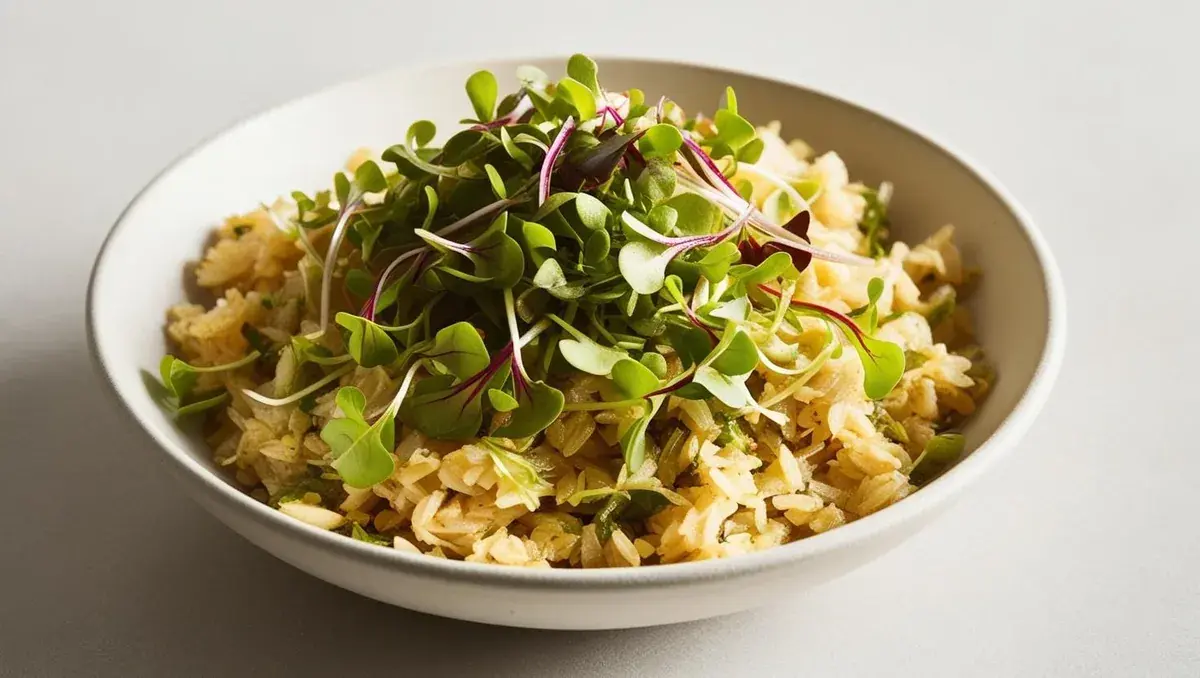
Microgreens have taken the health and culinary world by storm, and mustard microgreens are one of the easiest and most nutritious to grow at home. These tiny greens pack a flavorful punch and are rich in Vitamin C, Vitamin K, and antioxidants. Whether you’re a gardening newbie or a seasoned grower, this guide walks you through how to grow mustard microgreens step-by-step — perfect for Pune apartments and Indian homes.
Key Takeaways: Mustard microgreens are one of the fastest and easiest varieties to grow at home — ready in 6–8 days. Do not pre-soak: small seeds clump when wet. Sow dry on moist cocopeat, blackout 2–3 days, then bright indirect light. Flavour is pungent and spicy; yellow mustard is milder than brown or black. Rich in vitamins A, C, E, K and glucosinolates with anti-cancer properties.
What You’ll Need
Before you begin, gather the following:
- Mustard microgreen seeds (yellow, black, or red mustard varieties)
- Growing tray (shallow container with or without holes)
- Coconut coir or organic potting soil
- Spray bottle
- Filtered or clean water
- Optional: Grow light (if growing indoors without enough sunlight)
Step-by-Step Guide to Growing Mustard Microgreens
Step 1: Prepare Your Tray
Choose a shallow tray (around 1.5 to 2 inches deep). If it has holes, use another tray underneath to catch excess water. Fill with about 1 inch of moist coconut coir or potting mix. Level the surface gently but do not compress the soil too tightly.
Step 2: Soak the Seeds (Optional)
Mustard seeds don’t require soaking, but soaking in water for 4–6 hours speeds up germination. Drain before sowing.
Step 3: Sow the Seeds
Evenly sprinkle the seeds across the surface — don’t overcrowd. Gently press the seeds into the soil using a flat object. Do not bury them — just a gentle press so they make contact with the soil.
Step 4: Cover and Germinate
Lightly mist the surface with water. Cover the tray with another tray or lid to block light — this “blackout period” promotes uniform germination. Leave in a warm, dark spot for 2–3 days.
Step 5: Uncover and Give Light
Once the seeds have sprouted (tiny shoots appear), uncover the tray. Move to a bright windowsill or under grow lights. Mustard microgreens love 6–8 hours of light per day. In Pune, an east-facing window works well.
Step 6: Water Gently
Continue misting once or twice a day, preferably from the bottom by adding water to the lower tray. This avoids mould on the leaves. Keep the medium moist but not soggy.
Step 7: Harvest
After 7–10 days, when the microgreens are about 2–3 inches tall with first true leaves, they’re ready to harvest. Use clean scissors to cut just above the soil line. Do not wash until ready to eat to prolong shelf life.
Tips for Best Results
- Use organic, untreated seeds for best taste and health
- Avoid overcrowding seeds — it leads to mould
- Ensure proper air circulation to reduce fungal issues
- Store harvested greens in an airtight container in the refrigerator and consume within 5–7 days
- In Pune’s summer months, keep trays away from harsh afternoon sun
Ready to start? Buy organic mustard seeds and microgreens from SAGreens — delivered fresh across Pune. Before you order, read our guide to buy mustard microgreen seeds online to know what quality markers and germination rates to look for.
Why Mustard (Rai/Sarson) Is India's Most Natural Microgreen
Of all the microgreens you can grow at home, mustard has the most authentic Indian identity. Rai (black mustard seeds) and sarson (yellow mustard) are foundational ingredients in Indian cooking from Kerala to Punjab. The crackling of mustard seeds in hot oil is the opening note of countless Indian recipes — dal tadka, aloo sabzi, kootu, and sambar all begin here. As a microgreen, mustard carries the same bold, pungent character in concentrated form, but with the added benefit of living enzymes, vitamins, and glucosinolates that disappear when seeds are cooked.
Mustard microgreens are also among the fastest and most reliable microgreens to grow in Indian conditions. They germinate within 24–36 hours even without soaking, tolerate Pune's variable temperatures, and produce a harvest in just 6–8 days — faster than almost any other variety. A household of two can sustain a weekly supply of fresh mustard microgreens from a single 10x10 cm tray with almost no ongoing cost or effort.
The seeds are widely available. Unlike exotic microgreen varieties that require specialist online ordering, mustard seeds can be sourced from local kirana shops — though as we discuss later, not all mustard seeds are appropriate for microgreen growing.
Three Varieties of Mustard Microgreens: Yellow, Brown, and Black
Mustard microgreens come in three main seed varieties, each with distinct characteristics:
Yellow Mustard (Brassica hirta / Sinapis alba)
Yellow mustard produces a milder, slightly sweet and tangy microgreen. It is the least pungent of the three varieties and is often preferred by children and those new to the sharp mustard flavour. The stems are pale green-yellow, and the cotyledon leaves are a bright lime green. Yellow mustard microgreens grow slightly slower than brown or black varieties (8–10 days vs 6–8 days) and produce a denser, fuller tray. In Indian cooking, yellow mustard microgreens work well in fresh chutneys, raita, and as a garnish on mild dishes where you want subtle mustard flavour without overpowering heat. We now sell it separately as yellow mustard microgreen seeds, and our guide to how spicy each mustard variety is compares all three on heat.
Brown Mustard (Brassica juncea)
This is the variety most commonly used in Indian spice shops as rai or kali sarson in its milder brown form. Brown mustard microgreens are medium-pungent — noticeably sharper than yellow but without the intensity of black mustard. They produce bright green cotyledon leaves on sturdy stems. This is the most versatile variety for Indian cooking and is recommended for beginners. They pair well with everything from poha and upma to dal and roti accompaniments.
Black Mustard (Brassica nigra)
Black mustard produces the most intensely flavoured microgreen of the three — sharp, spicy, and distinctly pungent in the way that the black seeds crackled in oil are to Indian tempering. The microgreens are slightly smaller and darker in colour than yellow or brown varieties. They are best used in small quantities as a flavour accent rather than a bulk garnish. Black mustard microgreens are excellent in chaat, on top of a spicy dal, or mixed into a masala paste where their intensity integrates into a complex flavour profile.
| Feature | Yellow Mustard | Brown Mustard | Black Mustard |
|---|---|---|---|
| Pungency | Mild-Medium | Medium | Intense |
| Harvest Time | 8–10 days | 6–8 days | 6–8 days |
| Stem Colour | Pale green-yellow | Bright green | Dark green |
| Leaf Colour | Lime green | Bright green | Dark green |
| Best For | Salads, raita, kids | Dal, sabzi, garnish | Chaat, spicy dishes |
| Glucosinolates | Medium | High | Very High |
Day-by-Day Growing Guide: Mustard Microgreens from Seed to Harvest
Day 0: Preparation and Sowing
Choose a shallow tray (10x10 cm minimum, up to 10x20 cm) with drainage holes. Fill with 1.5–2 cm of pre-moistened cocopeat. The cocopeat should feel damp but not dripping — squeeze a handful and it should produce only a few drops. Level the surface gently.
Do not soak mustard seeds. Unlike larger seeds such as sunflower or peas, mustard seeds are very small and become sticky when wet — they will clump together and be impossible to spread evenly. Sow them dry.
Spread 3–4 g of dry mustard seeds (for a 10x10 cm tray) evenly across the surface. The seeds should be touching but not piled on top of each other. Gently press the seed layer down with a flat card or the bottom of a clean jar to ensure seed-to-medium contact. Mist lightly with a spray bottle — just enough to wet the seed surface.
Cover the tray with a second tray, a dark lid, or a piece of cardboard to block all light. This begins the blackout germination phase. Place in a warm spot (22–30 degrees Celsius).
Day 1: First Signs of Germination
If room temperature is above 22 degrees Celsius, you will likely see white radicles (seed roots) beginning to emerge from many seeds by the end of Day 1. Do not uncover. Do not water unless the surface feels very dry when you lift a corner briefly to check.
Day 2: Rapid Root Development
Most seeds have germinated. Small white roots are anchoring into the cocopeat. Tiny seed leaves (cotyledons) are beginning to push upward. The tray may feel warm from metabolic activity. Continue blackout phase. No watering needed unless cocopeat is dry.
Day 3: Seedlings Straightening
The seedlings are now 1–2 cm tall, pale yellow-green under the cover, and reaching upward. The blackout phase works because darkness triggers auxin (a plant growth hormone) production, causing rapid vertical growth. Uncover briefly to check — you should see a dense carpet of pale sprouts. Re-cover for one more day if growth looks uneven, or uncover now if the majority of seeds have sprouted.
Day 4: First Light Exposure
Remove the cover completely. Move the tray to a bright, indirect light source — an east-facing window works perfectly for Pune homes. Under good light, the pale yellow seedlings will begin producing chlorophyll within 2–4 hours and visibly green up. This greening is not just cosmetic — it signals the onset of photosynthesis and the beginning of vitamin and antioxidant synthesis in the plant tissue.
Begin bottom watering: add 100–150 ml of water to the outer solid tray. Allow cocopeat to absorb what it needs. Empty any standing water after 30 minutes.
Day 5: Greening and Growth
The microgreens are now bright green and standing upright. Growth is rapid — they may gain 1 cm of height per day under good light. The sharp mustard aroma is becoming noticeable. Ensure airflow with a fan or open window. Check moisture level and bottom-water if cocopeat is dry.
Day 6: Approaching Harvest for Black and Brown Varieties
Black and brown mustard microgreens may already be 4–5 cm tall with fully open cotyledon leaves. Taste one — if the pungency and flavour are to your liking, harvest now. Cut with clean scissors just above the soil line.
Day 7–8: Optimal Harvest Window (All Varieties)
For most varieties, days 7 and 8 represent the peak harvest window. The cotyledons are fully expanded and deep green. The first true mustard leaves may just be beginning to emerge. Nutritional content is at maximum. Flavour is balanced — pungent but not bitter. Harvest the entire tray in one cut or section by section as needed.
Harvest Tip: Do not wash microgreens until you are ready to eat them. Washing and then refrigerating increases moisture content in the container, which accelerates spoilage. Cut dry, place in a container with a dry paper towel, and refrigerate. Wash just before serving.
Nutritional Profile of Mustard Microgreens: Numbers That Matter
Mustard microgreens are nutritionally exceptional, particularly for compounds that have specific health significance:
Glucosinolates: These sulphur-containing compounds are the defining nutritional feature of all Brassica family plants (mustard, broccoli, radish, cabbage). When you bite into a mustard microgreen, glucosinolates are enzymatically converted to isothiocyanates and sulforaphane — compounds with documented anti-cancer, anti-inflammatory, and detoxifying properties. Mustard microgreens contain approximately 3–5 times more glucosinolates than mature mustard greens.
Vitamin A (as Beta-Carotene): 1,320 mcg per 100 g — contributing substantially to daily vitamin A requirements, important for eye health and immunity.
Vitamin C: Approximately 70 mg per 100 g — nearly the full adult daily requirement in a single 100 g serve. Supports collagen production, iron absorption, and immune function.
Vitamin E: 2.6 mg per 100 g — an antioxidant protecting cell membranes from oxidative damage.
Vitamin K: 268 mcg per 100 g — essential for blood clotting and bone mineralisation. Note: those on anticoagulant medications should consult their doctor before consuming large amounts.
Calcium: 210 mg per 100 g — significant for bone health, particularly for vegetarians and vegans.
Iron: 3.2 mg per 100 g — meaningful plant-based iron content. Consume with vitamin C-rich foods (tomatoes, lime, amla) to maximise non-haem iron absorption.
A 30 g daily serve of mustard microgreens — roughly a small handful — provides approximately 21 mg of vitamin C, 65 mg of calcium, and a meaningful dose of glucosinolates. This is achievable as a daily garnish on one meal.
10 Ways to Use Mustard Microgreens in Indian Cooking
Mustard microgreens fit naturally into Indian cuisine because their flavour profile — pungent, slightly bitter, with a sharp heat — echoes the role of mustard seeds in cooking. They are versatile enough to use daily without feeling repetitive:
1. Dal Tadka Garnish: After serving dal in bowls, scatter a small handful of mustard microgreens over the top. The heat of the dal barely wilts the greens, creating a contrast of textures and a fresh punch of pungency that echoes the mustard seeds in the tadka.
2. Poha Upgrade: Stir 20–30 g of mustard microgreens into freshly cooked poha off the heat, just before serving. They add a spicy freshness that elevates this everyday breakfast.
3. Methi-Mustard Paratha Filling: Combine finely chopped mustard microgreens with regular atta dough or use as a stuffing with aloo and mild spices. The pungency of the microgreens replaces some of the methi while adding additional nutritional value.
4. Chaat Topping: Sprinkle generously over pani puri, bhel puri, or sev puri as a fresh green element. The pungency cuts through the sweet tamarind chutney and complements the chaat masala beautifully.
5. Raita Stir-In: Mix 15–20 g of finely scissor-cut mustard microgreens into plain curd raita with a pinch of cumin powder. Serve with biryani or any rice dish as a fresh, tangy accompaniment.
6. Sandwich and Wrap Filling: Use as a substitute for lettuce in sandwiches and wraps. They add far more flavour than plain lettuce and pair well with mint chutney and sliced vegetables.
7. Fresh Chutney Base: Blend mustard microgreens with mint, coriander, green chillies, ginger, lemon juice, and a pinch of salt for a bright, pungent green chutney with more nutritional value than standard coriander chutney.
8. Smoothie Addition: For those comfortable with green smoothies, 15–20 g of mustard microgreens blend well with banana, apple, ginger, and coconut water. The sweetness of the fruit balances the pungency.
9. Egg Bhurji Topping: Add a handful of mustard microgreens to egg bhurji just after taking off the heat. They wilt slightly into the scrambled eggs, adding flavour and nutrition to a simple protein-rich meal.
10. Rice Bowl Garnish: Scatter over curd rice, lemon rice, or any flavoured rice preparation as a final fresh garnish before serving. The visual contrast of bright green against yellow rice is appetising, and the pungency complements mild rice dishes well.
Growing Mustard Microgreens Through India's Seasons
Mustard microgreens are one of the most season-tolerant varieties, but each Indian season presents slightly different conditions:
Monsoon (June–September): Excellent germination due to warmth and humidity. Harvest window may shorten to 5–6 days as growth accelerates. Mold risk is higher — ensure maximum airflow and reduce watering. Bottom watering is essential during monsoon. The high humidity means cocopeat stays moist for much longer between waterings.
Post-Monsoon / Autumn (October–November): Ideal growing conditions. Moderate humidity, comfortable temperatures, good light. Standard 7–8 day timeline. This is the easiest season for beginners to start.
Winter (December–February): Germination slows slightly in cold years when indoor temperatures drop below 18 degrees Celsius at night. A seedling heat mat speeds up germination. Otherwise winter produces excellent mustard microgreens — less mold risk, longer shelf life after harvest.
Summer (March–May): Mustard handles heat better than broccoli or radish, but temperatures above 35 degrees Celsius can cause bitterness. Place trays away from direct afternoon sun. Grow in the coolest room of the house. May harvest earlier (6–7 days) before bitterness develops in heat.
Buying Mustard Seeds for Microgreens: What to Look For
Not all mustard seeds are suitable for microgreens. Here is a practical guide:
What works:
- Seeds sold specifically as "microgreen seeds" or "sprouting seeds" — food-grade, untreated
- Fresh, raw mustard seeds from a trusted kirana shop where stock turns over quickly (test germination before sowing a full tray)
- Seeds purchased from reputable online suppliers with stated harvest dates and 85%+ germination rates
What does NOT work:
- Irradiated mustard seeds from supermarkets (treated to prevent sprouting for longer shelf life)
- Seeds from packets meant for outdoor planting (may be treated with fungicides)
- Old stock from shops where seeds sit for months without turnover
Germination test: Before sowing a new batch of seeds, place 10 seeds on a damp paper towel, fold it over, and leave in a warm spot for 48 hours. Count how many germinate. If fewer than 7 out of 10 sprout, the germination rate is below 70% and the seeds are unsuitable for reliable microgreen production.
For guaranteed high-germination mustard microgreen seeds, check SAGreens' mustard microgreen seeds — sourced specifically for microgreen production with verified germination rates. For your complete growing setup guide, read our comprehensive microgreens growing guide. If you are in Pune and want to understand how monsoon affects your growing schedule, our monsoon microgreens guide covers all the adjustments you need. Questions about getting started? Contact the SAGreens team — we have been growing mustard microgreens through every Pune season and are glad to help.
Why Mustard (Rai/Sarson) Is India's Most Natural Microgreen
Organic Certification: SAGreens supplies NPOP-certified organic microgreen seeds — untreated, non-GMO, tested at 85%+ germination rate. Available with pan-India delivery from our Pune farm.
Frequently Asked Questions: Mustard Microgreens
Can I use the mustard seeds (rai/sarson) from my kitchen to grow microgreens?
Sometimes, but test germination first. Kitchen rai/sarson from a kirana store is often fine if it is fresh stock with high turnover. The main risks are irradiation (kills germination capacity) and old stock. Conduct a test: place 10 seeds on a damp paper towel and leave in a warm spot for 48 hours. If 7 or more sprout, the seeds are viable. If fewer, buy from a dedicated microgreen seed supplier.
My mustard microgreens are very spicy/pungent — how do I reduce the heat?
Pungency in mustard microgreens comes from isothiocyanates produced when cells are damaged (cutting, chewing). To reduce intensity: (1) switch from black mustard to yellow mustard seeds — yellow has the mildest flavour; (2) harvest slightly earlier, before Day 7, when isothiocyanate concentration is lower; (3) use smaller quantities as a garnish rather than as a bulk green. Blanching briefly also reduces pungency but destroys most nutrients — not recommended.
Why are my mustard seeds sticking together when I try to spread them on the tray?
Mustard seeds become sticky when wet. Never pre-soak mustard seeds — unlike sunflower or peas, mustard seeds are tiny enough to germinate quickly without soaking, and the stickiness makes even sowing impossible. Sow mustard seeds dry, then mist lightly after spreading.
How long do mustard microgreens last after harvest?
Refrigerated in an airtight container with a dry paper towel, mustard microgreens stay fresh for 4-5 days. Consume within 3 days for best flavour and nutritional content — vitamin C levels drop measurably after 48 hours even under refrigeration. Harvest just before you need them rather than storing large batches.
Can I grow mustard microgreens on a sunny Mumbai or Delhi balcony?
What do microgreen seeds cost to buy in India?
Fresh microgreens from SAGreens come in 50g punnets: sunflower ₹100, mustard ₹100, fenugreek ₹120, radish ₹150, broccoli ₹200. Seed is sold separately, and each 100g seed packet grows 2–4 standard trays at home. Browse all seed varieties or WhatsApp SAGreens for bulk pricing and growing advice.
Yes, with afternoon shade management. Mustard handles heat well (up to 32-35 degrees Celsius) but direct afternoon sun above 40 degrees Celsius on a south or west balcony in Indian summer can cause leaf scorch and accelerated bitterness. Use morning sun (east balcony) or shade mustard trays with a light cloth after 11 AM in peak summer. In winter and post-monsoon, balcony growing across all Indian cities works well with no modifications.
*This guide is written by the SAGreens team — Ajay Toradmal and a three-generation farming family in Pune, Maharashtra, with decades of hands-on experience growing microgreens and food crops organically.*
How long do mustard microgreens take to grow?
Mustard microgreens are among the fastest-growing varieties, ready in just 6–8 days from sowing. They do not need pre-soaking and are very forgiving for beginner growers.
Are mustard microgreens spicy?
Yes, mustard microgreens have a pungent, spicy heat similar to mustard sauce or wasabi. Yellow mustard seeds produce a milder heat; brown and black mustard seeds are more pungent. The spiciness mellows when added to cooked dishes or mixed with mild ingredients.
Do mustard microgreens need soaking before planting?
No. Mustard seeds are small enough that soaking causes them to clump together, making even spreading impossible. Sow them dry directly onto moist growing medium for the best results.
Can I grow mustard microgreens without a grow light?
Yes. Mustard microgreens grow well in bright indirect light from a sunny window or a shaded balcony after the blackout phase. Artificial grow lights are not needed in most well-lit Indian homes.
What are the health benefits of mustard microgreens?
Mustard microgreens are high in vitamins A, C, E, and K, as well as glucosinolates with documented anti-cancer properties. They support liver health, reduce inflammation, and have thermogenic properties that may support metabolism.
Can I regrow mustard microgreens after cutting?
Mustard microgreens do not reliably regrow after cutting — they are a single-harvest crop. For a continuous supply, start a new tray every 5–7 days, staggered from your previous tray, to have fresh microgreens available daily.
Related Reading
More Microgreens Tips & Recipes
Nutritional Powerhouse: Microgreens Benefits Guide
Discover why microgreens contain up to 40x more nutrients than mature vegetables. Buy certified organic seeds from SAGreens, Pune.
Microgreens in Indian Cuisine: Nutritional Boost
Discover how locally grown microgreens can elevate traditional Indian recipes with better nutrition, flavor and easy Pune home cooking.
Grow Sunflower Microgreens: Seed to Harvest in 10-14 Days
Sunflower microgreens from soak to cut in 10 to 14 days — hull management, blackout weight, watering, and knowing when to harvest. Written for Indian homes.
Fresh Tips & Exclusive Offers
Subscribe for growing tips, seasonal updates, and exclusive offers on fresh organic microgreens in Pune.